
Goa Real Estate Market Cools After Six-Year Boom as Buyers Shift to Emerging Pockets
Goa | September 21, 2026: Goa’s property market is moving into a more measured phase after several years of rapid growth, with second-home sales and enquiries slowing and parts of North Goa recording a price correction. Industry experts describe the shift as a market stabilisation rather than a crash, with buyers becoming more selective about location, pricing, developer track record and the quality of homes.
North Goa Prices Correct After Rapid Growth
North Goa recorded a 4–6% price correction in the first half of 2026, according to Savills India, following several years of strong demand and rapidly rising property values.
The slowdown has been particularly visible in high-value second-home transactions, where buyers are taking longer to make purchase decisions.
The correction follows a post-Covid period in which high-net-worth individuals and second-home buyers brought significant capital into Goa, encouraging developers to increase supply across several micro-markets.
₹5–10 Crore Segment Faces More Pressure
The correction is not uniform across Goa's property market.
According to India Sotheby’s International Realty, the ₹5–10 crore segment has seen slower sales after what it described as a prolonged period of strong growth. Villas and apartment projects in this segment are experiencing slower sales velocity.
At the same time, demand remains relatively steady for entry-level properties and premium homes that offer distinctive features and stronger location advantages.
Land Values Moderate in Some Pockets
The rapid expansion also pushed land prices sharply higher in selected Goa micro-markets.
Manas Developers said land prices in some pockets had increased by as much as five times during the post-Covid boom. Some of those markets are now seeing land values moderate by around 20–25%, according to the developer.
Premium villas have also experienced a marginal correction as sellers and developers adjust towards more realistic pricing levels.
For buyers, this creates a different market environment from the frenzy of the previous few years, although pricing remains highly dependent on the specific location and property.
Buyers Move Beyond Saturated Hotspots
Capital is increasingly moving towards emerging areas where buyers can find relatively more attractive entry points and larger land parcels.
Savills India identified areas such as Moira and Nerul as emerging pockets, while established locations including Arpora, Assagao, Siolim and Morjim continue to attract demand when properties are offered at appropriate values.
Affluent buyers are also gradually exploring interior villages such as Aldona, Salvador and Colvale.
The shift indicates that buyers are becoming more willing to trade established tourist hotspots for space, privacy and a stronger sense of location.
South Goa Gains Attention for Long-Term Living
South Goa is also gaining recognition among buyers looking beyond short-term investment opportunities.
Its combination of quieter coastal locations, privacy and lifestyle appeal is increasingly attracting buyers seeking longer-term second homes and leisure properties.
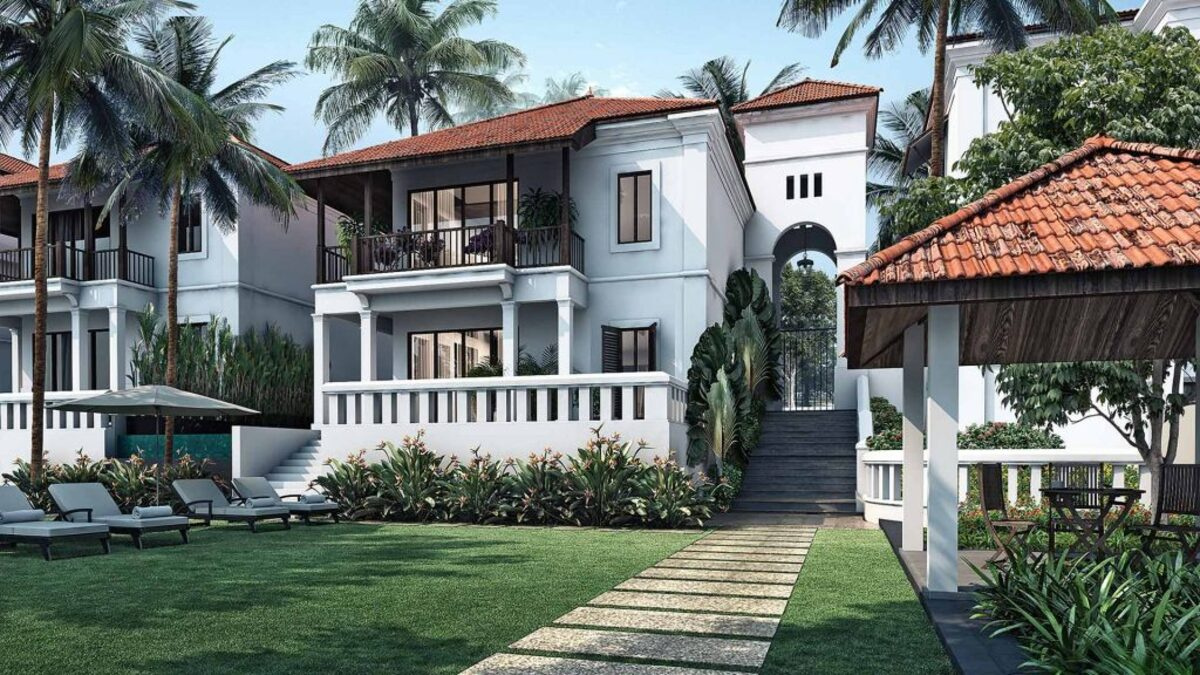
The changing preference is also visible in the type of homes buyers want. Portuguese-era structures, laterite façades, courtyard layouts and homes integrated with greenery are attracting interest alongside modern properties offering sea, river or hill views.
Developer Track Record Matters More
The slowdown has also changed how buyers evaluate projects.
According to industry experts, purchasers are increasingly examining:
- Developer track record
- Local market presence
- Delivery capability
- After-sales support
- Location and land availability
- Quality of construction and amenities
This shift could strengthen established developers with a longer track record in Goa, while projects dependent mainly on rapid price appreciation may face greater scrutiny.
What Goa Property Buyers Should Watch
The current market is creating a wider gap between properties that have differentiated locations or strong lifestyle value and standard inventory facing slower absorption.
Residential plots between 250 and 350 sq m continue to account for a significant portion of unsold inventory across primary and secondary markets, indicating an ongoing demand-supply mismatch.
For buyers, the key takeaway is that Goa's market is no longer behaving uniformly. Location, land scarcity, product quality and developer credibility are increasingly influencing purchasing decisions.
The next phase of Goa's property market will depend on how developers adjust pricing, how quickly excess inventory is absorbed and whether demand continues shifting towards emerging and lifestyle-focused locations.