
Ahmedabad Developers Seek Faster Approvals for Buildings Up to 70 Metres
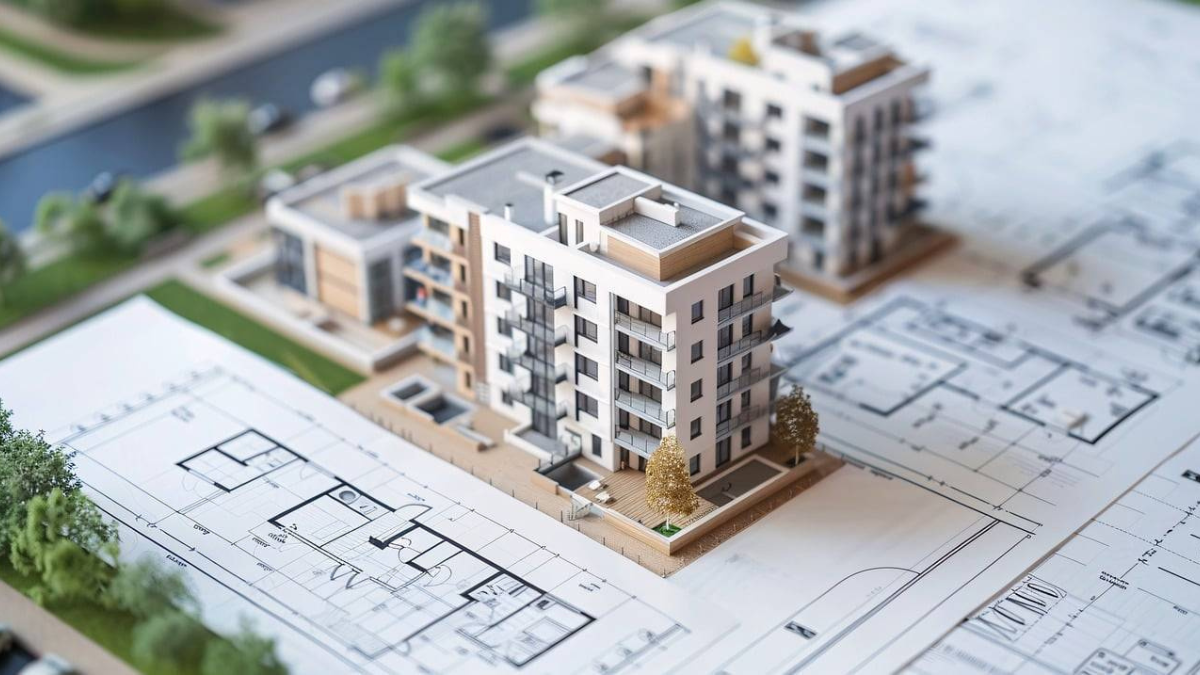
Ahmedabad | September 30, 2026: Ahmedabad’s high-rise construction projects could face fewer approval delays if the state government accepts a proposal by CREDAI Ahmedabad to separate technical scrutiny from Transferable Development Rights (TDR) requirements. The proposed change aims to help developers move through the approval process while TDR is being arranged, potentially reducing project bottlenecks.
The developers’ association has also raised concerns over parking-related penalties and delays in green-building incentives, seeking changes to several aspects of the city’s building approval system.
Why High-Rise Approvals Are Getting Delayed
Under the current process described by developers, projects between 45 and 70 metres in height require scrutiny by the Special Technical Committee (STC). However, this scrutiny does not proceed until the required TDR loading is completed.
CREDAI Ahmedabad says irregular TDR availability and delays in procurement and validation are holding up projects before technical scrutiny can even begin. The resulting delays can affect construction schedules and increase project costs.
CREDAI Proposes a Staged Approval System
The association has proposed completing STC scrutiny independently of TDR loading. Under its suggested system, developers could receive initial construction permission for the base permissible Floor Space Index (FSI), without waiting for TDR.
Additional construction permission would then be granted according to the TDR available. CREDAI has suggested that developers submit a registered undertaking-cum-indemnity bond, committing not to proceed with construction beyond the permitted stage until further approval is granted.
The proposal is intended to allow technical review and TDR procurement to progress separately, rather than making one entirely dependent on the other.
Around Five Projects a Month Could Be Affected
According to CREDAI Ahmedabad, an average of five new projects every month fall within the 45–70-metre height category. The association argues that the existing approval sequence creates avoidable delays for this segment of the city’s real estate market.
If adopted, the staged system could help eligible projects move through scrutiny earlier. However, the proposal remains a request to the government; no approval of the suggested changes has been announced.
Developers Seek Changes to Parking Enforcement
CREDAI has also objected to punitive action against buildings over traffic and parking violations caused by visitors or customers. It has asked authorities not to cancel Building Use (BU) permissions solely because of haphazard roadside parking outside commercial complexes.
The association argues that enforcement should focus on the individuals responsible for illegal parking rather than penalising the building itself. The issue is particularly relevant to commercial properties where visitor parking can affect surrounding roads.
Green-Building Incentives Also on the Agenda
During their recent meeting with Chief Minister Bhupendra Patel, CREDAI Ahmedabad representatives also raised concerns about green-building incentives and other pending approval-related matters.
The association has requested that eligible green-building refunds be released promptly. Alternatively, it wants developers to be allowed to adjust these amounts against statutory dues for other projects undertaken by the same developer.
The representation also covered high-rise plan sanctions and BU permissions under Ahmedabad Municipal Corporation’s approval system.
What the Proposal Could Mean for Property Buyers
For buyers considering apartments in high-rise projects, approval timelines can influence when construction progresses and when possession becomes possible. A revised process could reduce one source of delay for projects in the 45–70-metre category, if the government accepts the proposal and the system is implemented effectively.
However, faster scrutiny would not remove the need to meet applicable construction, safety and development requirements. Buyers should continue checking project approvals, construction progress and possession commitments rather than assuming that the proposed changes will automatically accelerate every project.
What Happens Next
CREDAI Ahmedabad has submitted its representation to the state government, seeking action on the approval process and other industry concerns. The next significant step would be a government decision on whether to modify the existing procedure.
Until then, the current approval requirements remain relevant for developers. Any change to the process could affect how future high-rise projects in Ahmedabad move from plan submission to construction permission.