
Why Some Townships Become Thriving Neighbourhoods While Others Never Take Off
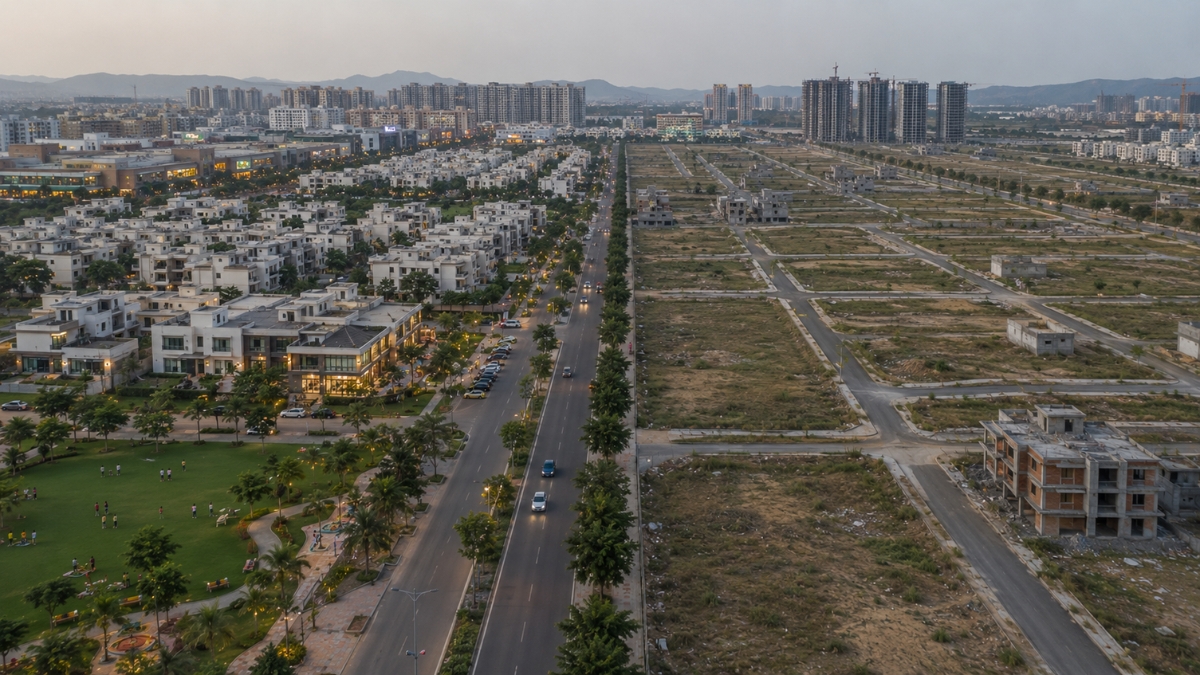
July 6, 2026: Every year, India sees the launch of new residential townships promising modern infrastructure, green spaces and a better lifestyle.
Yet a few years later, the results are often very different.
Some townships become vibrant neighbourhoods with rising demand, active communities and growing property values. Others struggle with vacant plots, low occupancy and incomplete development despite having similar launch promises.
So what makes the difference?
Success starts long before the first resident moves in
A township's future is shaped during its planning stage.
Well-planned developments usually combine residential areas with schools, healthcare, commercial spaces, public utilities and internal road networks instead of treating housing as a standalone project.
The stronger this long-term planning is, the better the township can adapt as more people move in.
Infrastructure alone is not enough
Wide roads and landscaped parks create a good first impression.
But a successful township also needs everyday services that encourage people to actually live there rather than simply invest.
Neighbourhoods where residents can easily access shopping, education, healthcare and public transport often see stronger long-term occupancy.
Population creates momentum
Many newly launched townships experience slow initial occupancy.
However, once a critical number of families begin living there, demand for retail, schools, transport and other services usually grows, creating a positive cycle that attracts even more residents.
This gradual ecosystem often matters more than the project's launch itself.
Long-term maintenance shapes reputation
Even well-designed townships can lose appeal if common infrastructure is not maintained properly.
Roads, lighting, landscaping, drainage and public spaces require consistent management over the years.
Buyers often judge an established township more by its upkeep than by its original master plan.
Connectivity keeps changing the story
A township's future can improve significantly when new highways, metro corridors, airports or employment hubs develop nearby.
Likewise, projects that remain isolated for long periods may take more time to mature despite good planning.
Think beyond the launch brochure
Before investing in any township, it helps to evaluate:
- Existing surrounding development
- Connectivity plans
- Social infrastructure
- Long-term maintenance approach
- Occupancy trend after possession
These factors often influence a township's future more than launch-day marketing.
Grihik Takeaway
Every township begins with a vision, but only some evolve into thriving neighbourhoods. The difference usually lies in planning, infrastructure, connectivity, occupancy and long-term management—not simply in the size of the project or the promises made during launch.