
Chandigarh Wants Taller Buildings. But Its Roads Are Already Running Out of Space.
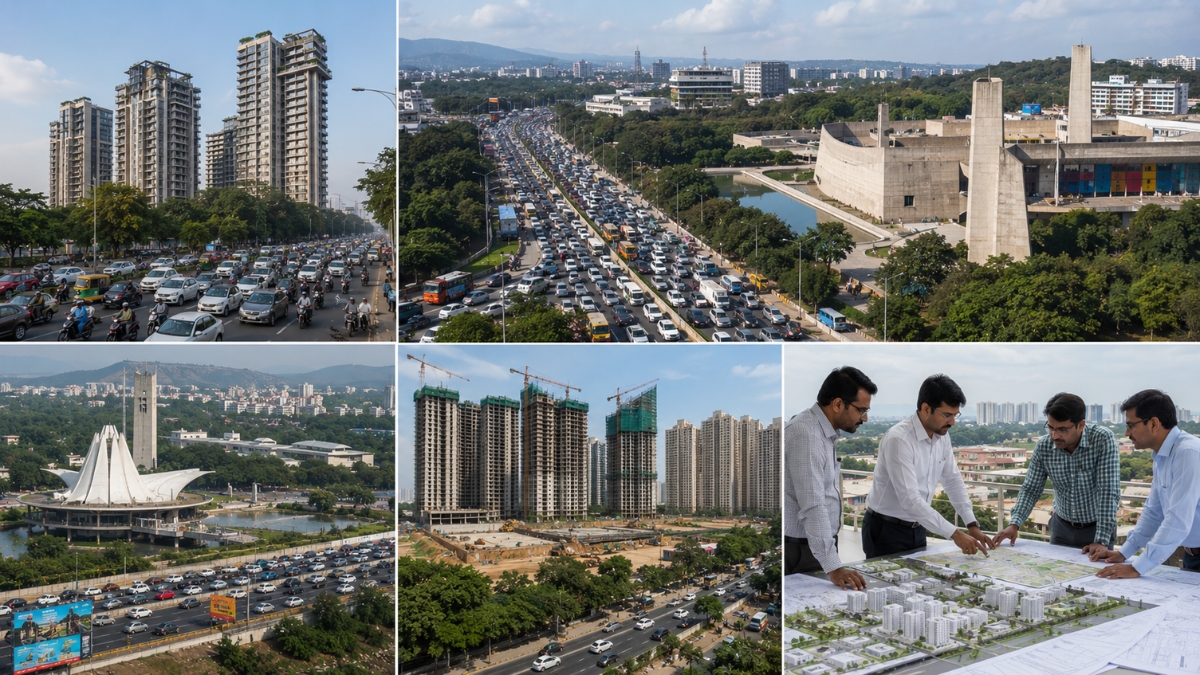
Chandigarh, July 6, 2026: Chandigarh is planning one of its biggest changes to urban development in years. The administration wants taller buildings, higher development density and more mixed-use spaces to accommodate future housing and economic growth.
But the proposal has triggered one important question:
Can the city's roads handle the extra traffic that comes with more homes, offices and commercial activity?
Urban planners and resident groups believe that this question remains unanswered.
What is Chandigarh planning?
The proposed amendments to the Chandigarh Master Plan 2031 include several major changes, such as:
- Higher Floor Area Ratio (FAR)
- Taller residential buildings
- Stilt-plus-four and stilt-plus-five housing
- Mixed land use in industrial areas
- Conversion of reserve land for commercial development
Officials say these changes are needed to meet future housing demand and support economic growth.
The concern isn't about buildings—it's about traffic
Planning documents and mobility studies have repeatedly warned that several of Chandigarh's major roads are already operating close to or beyond their designed capacity.
Studies have also highlighted increasing dependence on private vehicles, falling average travel speeds and growing congestion across key road corridors.
Experts argue that allowing more residential and commercial development without a comprehensive traffic impact assessment could place additional pressure on an already stressed transport network.
Public transport remains the missing piece
For years, planning reports have recommended expanding mass public transport to support future growth.
However, major proposals such as the Tricity Metro and other mobility projects have yet to move beyond the planning stage.
As a result, private vehicles continue to dominate daily travel across the city, adding pressure to roads that have limited scope for further widening.
Why this matters
Urban densification is becoming common across India's major cities as governments try to accommodate growing populations without expanding city boundaries.
However, planners increasingly argue that housing growth and transport infrastructure need to progress together to avoid long-term congestion and declining urban mobility.
Grihik Takeaway
Chandigarh's proposed development reforms could reshape the city's skyline, but they also highlight a challenge many Indian cities now face—building more homes without overloading existing infrastructure. How the administration balances growth with mobility could shape the city's future for decades.