
Why New Housing Supply Can Fall Even When People Still Need Homes
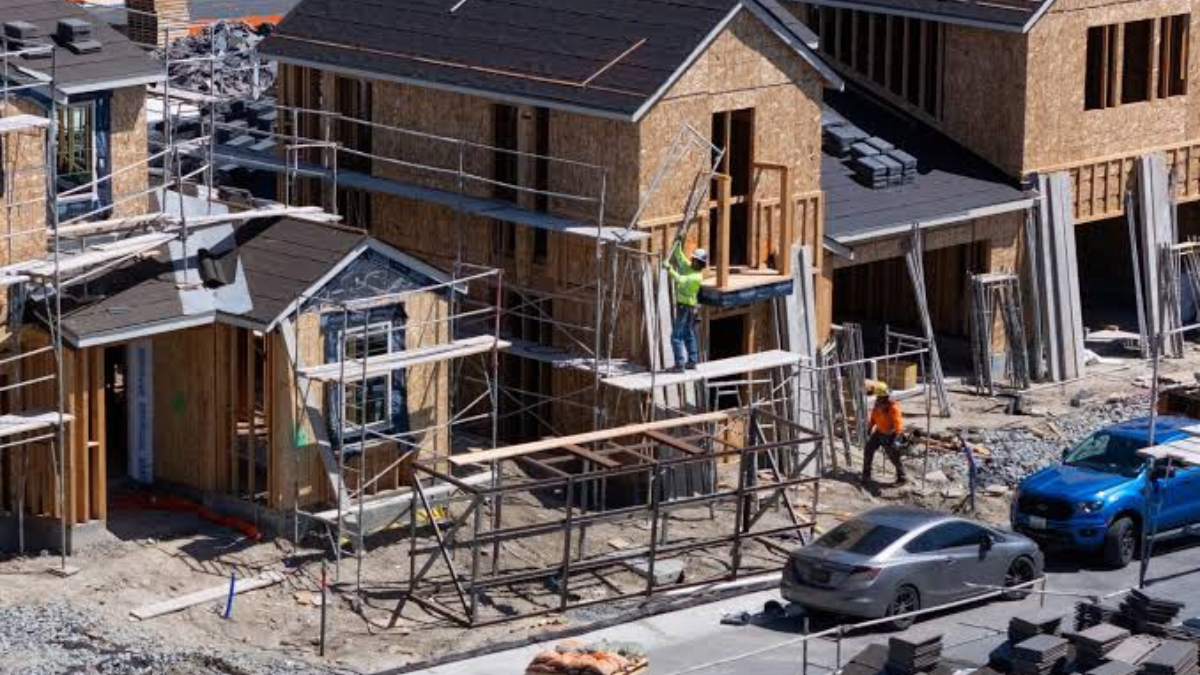
A city can have thousands of people looking for homes and still see fewer new properties being built.
The reason is simple: housing demand and housing construction are not always moving in the same direction.
Why Do Developers Stop Building?
Developers need to be confident that new projects can be sold at prices that cover land, construction, financing and other costs.
When borrowing becomes expensive or buyers become cautious, launching a new project can become riskier.
Developers may then delay construction or reduce the number of new projects.
High Interest Rates Can Hit Both Sides
Higher interest rates affect buyers through larger loan costs.
But developers can also face higher financing expenses when borrowing money for land acquisition and construction.
This creates pressure on both housing affordability and project viability.
Fewer New Homes Can Create Future Pressure
A slowdown in construction may temporarily reduce competition among developers.
But if housing demand remains strong while new supply stays weak, the imbalance can eventually contribute to higher rents and property prices in locations where homes are already in short supply.
This is why a fall in new construction does not necessarily mean homes will become cheaper.
Why Buyers May Delay Purchases
When monthly EMIs become expensive, some buyers choose to wait.
Others may reduce their budget, purchase a smaller property or move to a cheaper location.
This can reduce sales activity even when people still need housing.
Developers May Focus on Smaller Projects
When market conditions become uncertain, developers may become more selective.
Instead of launching large projects immediately, they may prefer:
- Smaller phases
- Established locations
- Projects with strong demand
- Faster-selling housing formats
- Lower-risk development models
This allows them to limit exposure while waiting for market conditions to improve.
What Happens When Demand Returns?
If mortgage rates decline and buyer confidence improves, demand can return faster than construction capacity.
Developers then have to restart projects, obtain approvals and build inventory.
Because construction takes time, housing supply may respond much more slowly than buyer demand.
What Should Property Buyers Watch?
Buyers should look beyond short-term price movements.
Important indicators include new project launches, unsold inventory, construction activity, rental demand, interest rates and infrastructure development.
Together, these can provide a better picture of where a local property market may be heading.
Grihik Take
A weak construction cycle does not automatically mean a weak housing market.
If demand remains strong while new supply keeps falling, today's slowdown can become tomorrow's shortage.
For buyers and investors, understanding the balance between new supply, affordability and actual housing demand can be more useful than simply waiting for property prices to fall.