
Park Street Homes Bets on Urban Infill as Builders Look Beyond Large Communities
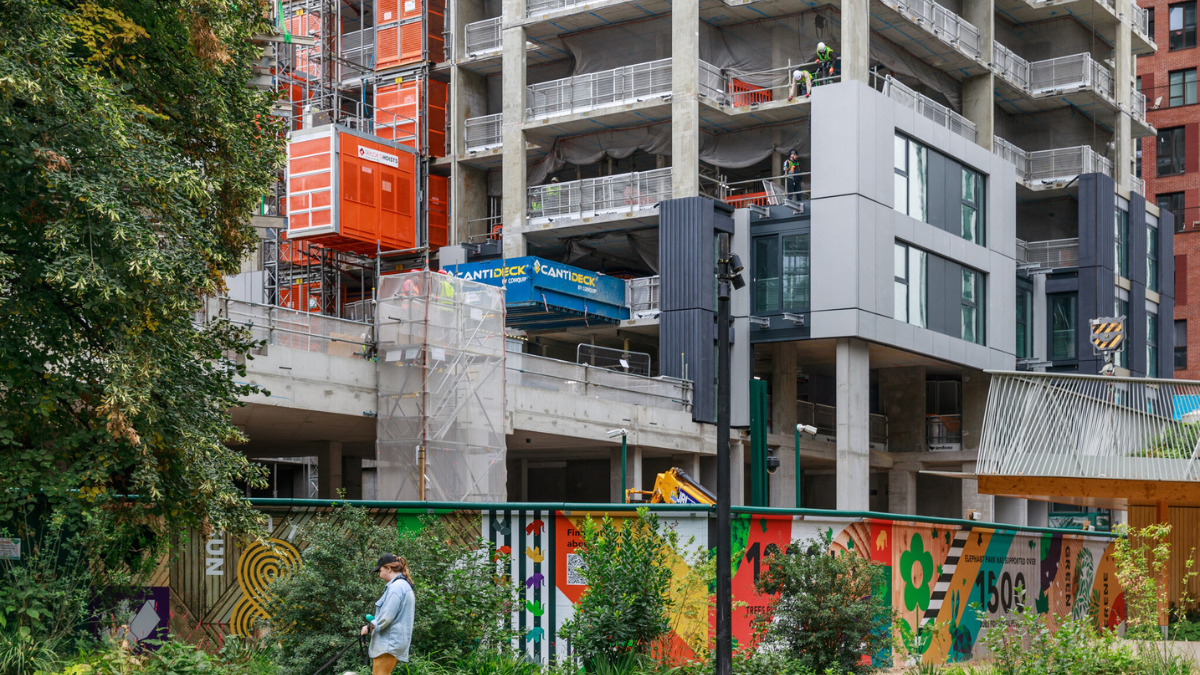
Houston, Texas | September 12, 2026: A different model of US homebuilding is gaining momentum as Park Street Homes prepares to expand its urban infill strategy into more cities, targeting scattered lots and established neighborhoods that larger production builders often overlook.
The Houston-based builder is assessing around 15 additional metropolitan markets and preparing a capital raise to support expansion. Its strategy combines standardized construction and purchasing systems with designs adapted to the character of individual neighborhoods.
Small Urban Lots Become a Development Opportunity
Instead of relying mainly on large master-planned communities with hundreds of adjoining lots, Park Street focuses on fragmented parcels in established urban areas.
For developers, this approach could unlock land that may not be attractive enough for traditional large-scale builders but can still support profitable residential projects when construction is managed efficiently.
Standard Construction Meets Local Design
Park Street calls its approach “reflective design.” The company uses repeatable floor plans and construction controls while adapting the exterior appearance to the architecture and history of each neighborhood.
That combination allows the builder to control costs without making new homes look disconnected from their surroundings.
Community Relationships Can Affect Development Speed
Urban infill projects often involve older infrastructure, tighter parcels, existing residents and more complicated approval processes.
Park Street considers relationships with residents, local authorities and community organizations part of its operating model. For builders, stronger local relationships can influence land access, entitlements, project approvals and ultimately how quickly homes reach the market.
Affordability Is Driving the Strategy
The company is also positioning its model around affordable housing at a time when high mortgage rates and expensive construction are keeping many US buyers cautious.
Park Street says it establishes project economics and pricing well before homes are completed, giving it greater visibility during projects that can take 12 to 24 months to reach the market.
What It Means for US Property Development
Park Street's expansion reflects a broader opportunity in US real estate: urban infill could become an important source of new housing where large development sites are scarce or too expensive.
For landowners, investors and developers, fragmented urban parcels may increasingly become valuable development opportunities. For buyers, the model could bring new housing options into established neighborhoods closer to existing infrastructure and employment centers.
The challenge will be scaling the business without losing the local knowledge and neighborhood-specific design that make its urban infill model different from conventional production homebuilding.