
177 Families Could Get New Homes as Andhra Pradesh Tests a New Slum Redevelopment Model
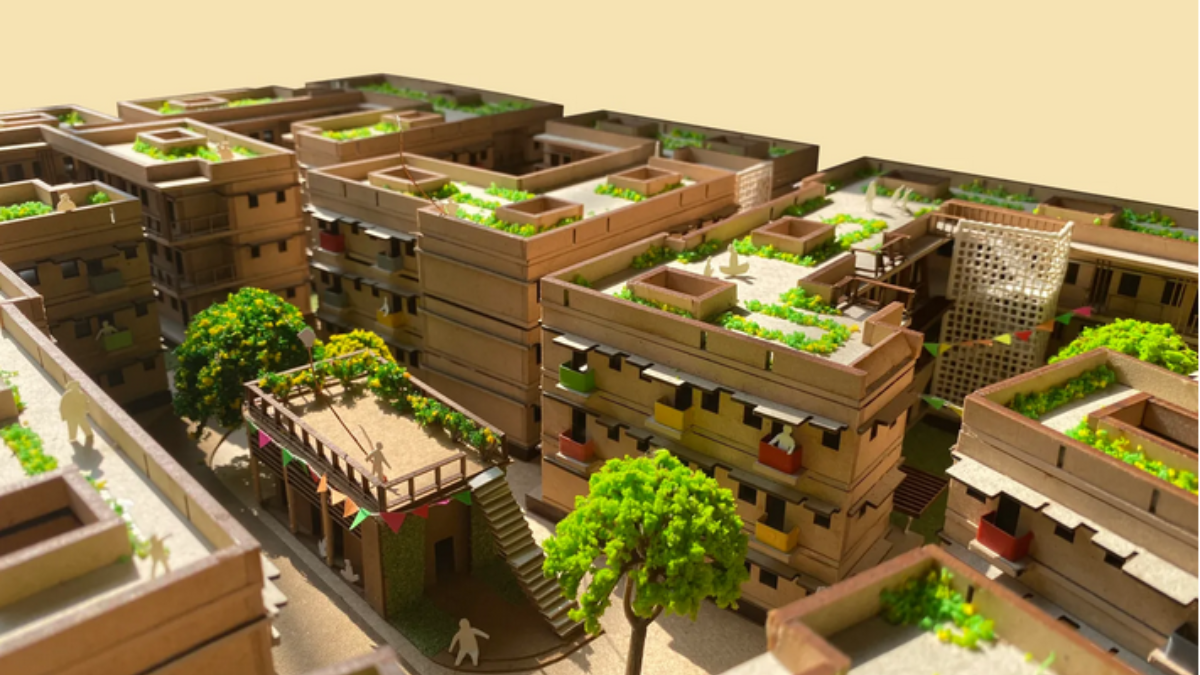
Amaravati | August 12, 2026: For families living in crowded and ageing settlements, redevelopment often comes with one major fear — losing the neighbourhood they have called home for years. Andhra Pradesh is now testing a model that could offer a different solution.
The state government has approved the redevelopment of Velampeta slum in Visakhapatnam, where 177 housing units will be replaced with a modern high-rise residential complex. The project is being positioned as a pilot for a larger slum redevelopment programme across the state.
The bigger attraction is that the model aims to bring private investment into redevelopment while keeping existing residents at the centre of the project.
What Is Changing for Velampeta Residents?
The Velampeta slum in Zone-IV, Ward 35, will be redeveloped on a compact 1,986.45 sq metre site.
A residential complex of up to 45 metres in height will be constructed with 177 housing units.
Instead of shifting residents permanently to another part of the city, the project is planned as an in-situ redevelopment, allowing the existing community to potentially remain connected to its neighbourhood.
For residents, this could mean moving from congested housing into formal residential buildings with better living conditions without giving up their existing social and economic connections.
Private Investment Will Fund the Project
The redevelopment will be implemented by the Greater Visakhapatnam Municipal Corporation (GVMC) under the Visakhapatnam Economic Region programme.
The project will follow a Design, Build, Finance and Transfer (DBFT) model.
This means the selected private developer will take responsibility for financing and constructing the redevelopment rather than the government bearing the entire project cost.
In return, the developer can receive Transferable Development Rights (TDR).
Why TDR Is Important for This Project
The government has allowed a maximum 1:4 TDR ratio, which will be used as the bidding parameter.
Developers will compete by quoting how much TDR they require against the construction cost.
This approach could make redevelopment financially attractive for private players while allowing the government to use valuable urban land to improve housing conditions for existing residents.
Special Building Rules Have Been Relaxed
Redeveloping a densely populated settlement on a small plot can make conventional building rules difficult to follow.
To make the Velampeta project viable, Andhra Pradesh has approved several relaxations under the state building rules.
These include:
- Permission for a high-rise residential complex in the congested area
- Reduced setback requirements
- Parking of around 10% of total built-up area, compared with the normally prescribed 22%
- Waiver of specified fees and charges payable to GVMC and other agencies
These concessions are intended to improve the project's financial and development feasibility.
Could This Become a Bigger Housing Model for Andhra Pradesh?
Velampeta is not being treated as a standalone project.
The government has directed GVMC to execute it within a defined timeframe and use it as a pilot for redevelopment of other slum pockets under the Visakhapatnam Economic Region programme.
A draft policy covering slum redevelopment and middle-class housing is also being prepared by the state's municipal administration department.
If the pilot succeeds, the approach could be expanded to other ageing and congested settlements across Andhra Pradesh.
What This Means for Homeowners and Urban Residents
The importance of the project goes beyond the 177 homes being created.
For residents of congested settlements, successful in-situ redevelopment could offer a path towards better housing without forcing families away from their established communities.
For cities, it could also mean better land utilisation, improved housing quality and more organised urban development.
However, residents will need clarity on rehabilitation arrangements, the final housing specifications, construction timelines, eligibility and the process for shifting during redevelopment.
The real test for Andhra Pradesh will be whether the Velampeta model can deliver modern homes without leaving the people it is designed to help behind.