
How In Situ Redevelopment Can Change Old Urban Settlements
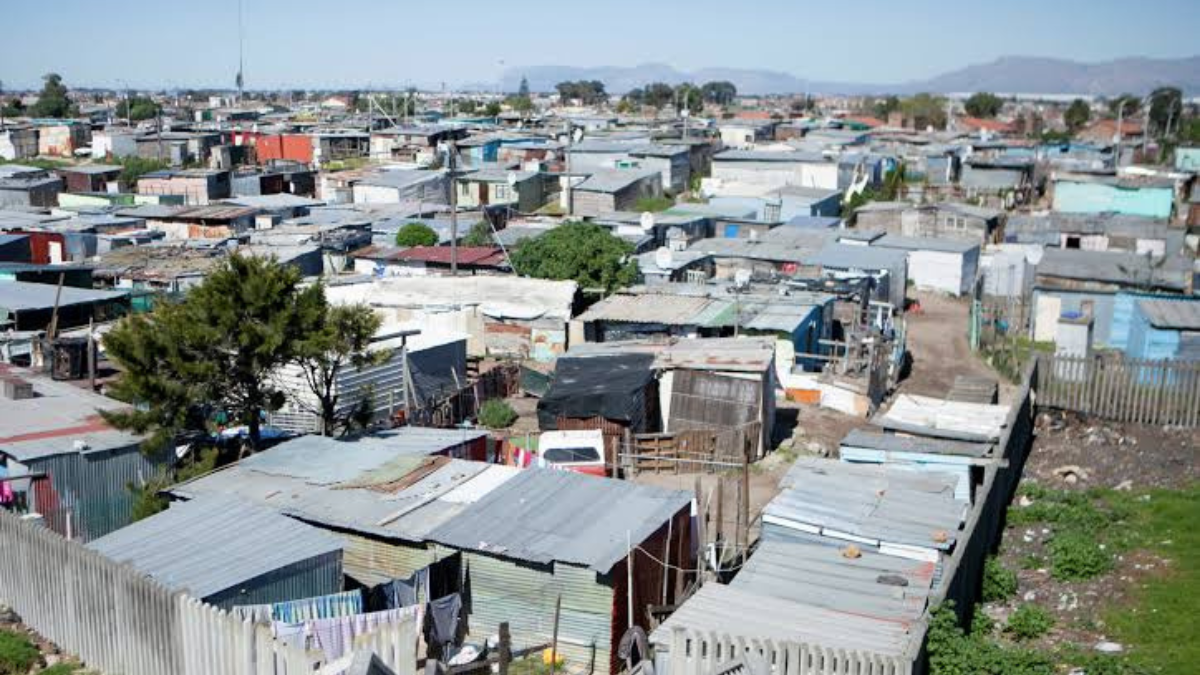
Redeveloping a crowded settlement does not always mean moving residents to another part of the city. In situ redevelopment offers a different approach—rebuilding homes at or near the existing location.
The model is gaining attention as cities look for ways to improve housing without completely disrupting established communities.
What Is In Situ Redevelopment?
"In situ" means in the original place.
Under this model, existing homes or informal settlements are redeveloped into planned residential buildings while eligible residents are provided new housing within the same area or project.
This can help residents remain close to their jobs, schools, relatives and familiar neighbourhoods.
Why Are Cities Considering This Model?
Relocating families to distant areas can create new problems.
Residents may lose easy access to employment, schools and public transport. In situ redevelopment attempts to address this by improving the existing location instead.
The redevelopment can also create:
- Better housing
- Planned roads
- Improved sanitation
- Safer buildings
- Open spaces
- Better civic infrastructure
How Can Private Developers Be Involved?
The government does not always have to finance the entire redevelopment.
In some models, a private developer funds and constructs the project. In return, the developer may receive development rights, additional construction potential or other incentives allowed under the applicable policy.
This can make redevelopment financially viable while reducing the government's direct construction burden.
What Is the Biggest Challenge?
The success of redevelopment depends on more than constructing new buildings.
Authorities need clear rules for:
- Identifying eligible residents
- Temporary relocation during construction
- Final housing allocation
- Project timelines
- Developer responsibilities
- Quality and maintenance
Without proper monitoring, delays or disputes can undermine the purpose of the project.
Can In Situ Redevelopment Become a Larger Housing Solution?
It has the potential to become an important urban housing model, particularly where land is scarce and existing communities are well established.
But every project needs to balance resident rights, project viability and long-term infrastructure.
Grihik Take
In situ redevelopment offers cities a way to improve housing without automatically breaking established communities apart.
The real measure of success, however, is not simply how many new flats are constructed. It is whether existing residents receive safer, better homes while remaining connected to the economic and social life of their neighbourhood.