
Using Residential Property for a Resort or Business? Jaipur Tribunal Order Puts Owners on Notice
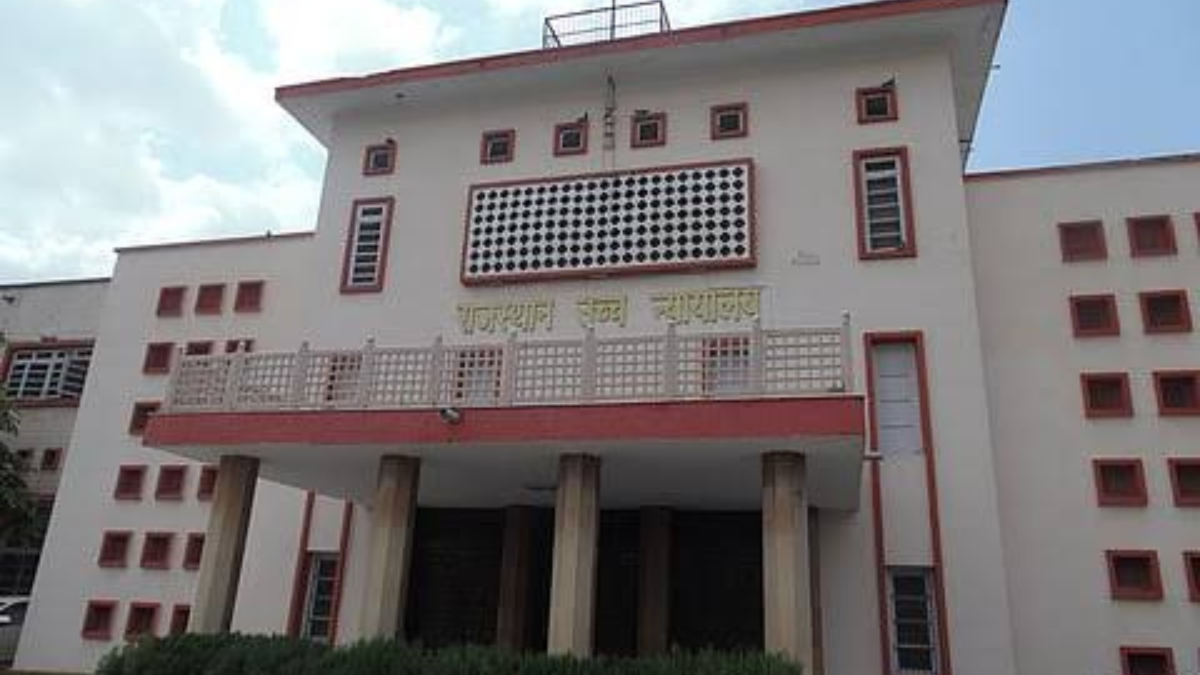
Jaipur, August 13, 2026: Buying a plot and turning it into a resort, hotel or commercial property may look like a smart way to generate income. But a Jaipur tribunal order has highlighted a risk that property owners cannot afford to ignore — owning residential land does not automatically give permission to use it for commercial purposes.
The Jaipur Development Authority Appellate Tribunal (JDAT) has ordered a site inspection of properties where commercial activities, including a resort, have been alleged. The tribunal has also made it clear that the Jaipur Development Authority (JDA) can take action according to law if commercial use is found.
For homeowners, investors and property buyers, the case raises an important question: Can a property legally be used for a business simply because the land was earlier converted from agricultural to residential use?
The answer could have serious financial implications.
A Residential Plot Can Become a Legal Headache If Used for Business
The dispute involves land that was converted from agricultural to residential use under Section 90-B in September 2005.
The property owner's side argued that the land had already been converted and that the JDA's proceedings were therefore not justified.
But the issue is not simply whether the land was converted.
The bigger question is how the property is being used today.
If a residential plot is being operated as a resort, hotel or another commercial establishment, additional permissions may be necessary even if the underlying land-use conversion was completed years ago.
Why This Matters to Property Owners
For many property owners, converting a house or plot into a source of income can seem straightforward.
A large house can potentially become a guesthouse. A residential plot can appear suitable for a boutique resort. A property on a busy road may look perfect for a clinic, office or showroom.
But if the permitted land use does not match the actual activity, the investment can quickly turn into a dispute with the authorities.
That means the property's location, ownership documents and construction quality are not the only things buyers need to check.
The permitted use of the property can be equally important.
Tribunal Orders Physical Inspection of the Property
The JDAT has directed a site inspection to establish whether commercial activity is actually taking place.
The inspection is significant because official records and the physical use of a property can sometimes tell two different stories.
Authorities will need to determine the nature of the activity being carried out and whether the existing construction and use comply with applicable permissions.
If violations are established, the JDA can proceed under the relevant rules.
Agricultural-to-Residential Conversion Is Not a Commercial Licence
This is the key lesson emerging from the case.
A property converted from agricultural to residential use cannot automatically be treated as a commercial property.
As legal experts pointed out, operating a hotel, resort or other commercial establishment may require compliance with the applicable master plan, sanctioned building plan and other statutory permissions.
There is also another issue in this case — whether the 2005 conversion covered the entire parcel of land or only a portion of it.
That distinction could significantly affect the legality of activities on the property.
Property Buyers Need to Look Beyond the Sale Deed
For someone planning to invest a substantial amount in a property for commercial income, a clean sale deed alone may not be enough.
Before purchasing, buyers should verify the property's:
- Land-use classification
- Approved building plan
- Conversion documents
- Permitted commercial activities
- Development permissions
- Master plan restrictions
- Previous notices or enforcement proceedings
This due diligence can be especially important when purchasing large plots, farmhouses, old residential buildings or properties that are already being used for commercial purposes.
What Could Happen If Commercial Use Is Not Permitted?
The tribunal has indicated that the JDA can take action if commercial activity is found.
For an owner who has invested heavily in construction, such action can create more than a regulatory problem.
It can mean business disruption, financial losses, additional compliance costs and uncertainty over the property's future use.
That is why checking permissions before starting construction or buying an income-generating property is far safer than trying to regularise a violation later.
A Warning for Jaipur's Growing Property Market
Jaipur's expanding urban footprint has created increasing opportunities to convert properties into hospitality, rental and commercial businesses.
But this case highlights the other side of that opportunity.
A property that looks commercially valuable on the ground may not necessarily have commercial permission on paper.
For buyers and investors, that difference can be worth lakhs or even crores.
The Jaipur tribunal's order therefore offers a practical lesson for the entire property market: before paying for a property because of its business potential, first confirm that the law actually allows that business to operate there.