
Got a Permanent Home but Still Living in a Transit House? Bhubaneswar Demolishes 330 Temporary Shelters
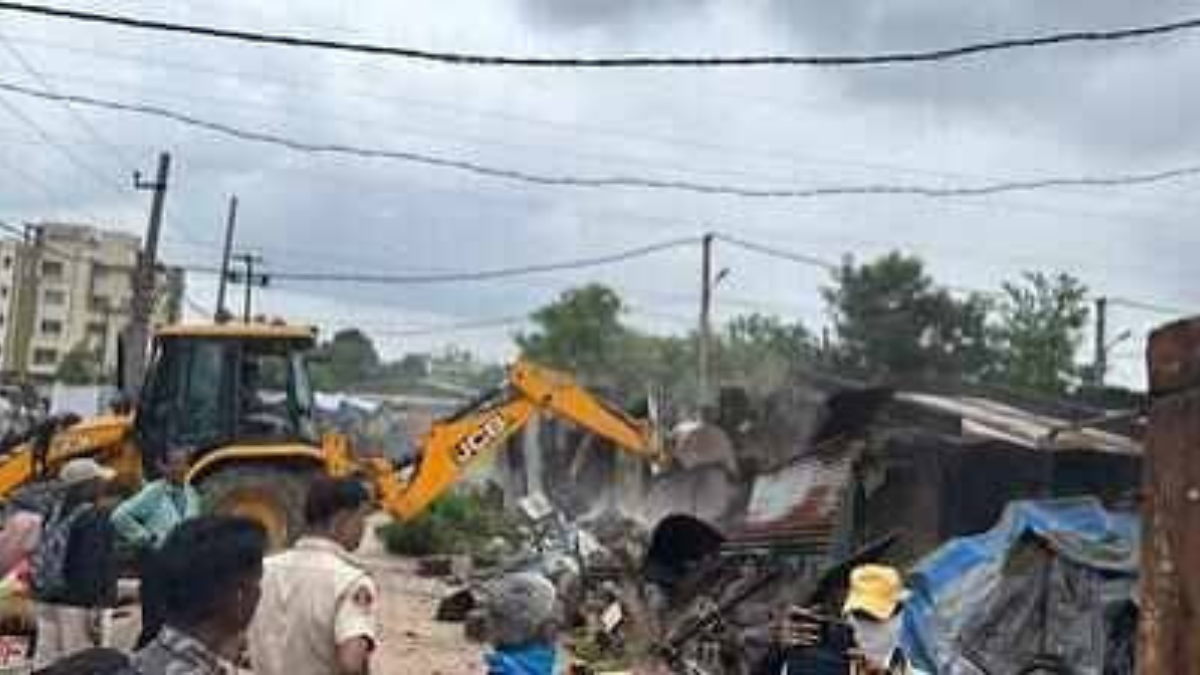
Bhubaneswar, August 12, 2026: Imagine being allotted a permanent home but continuing to live in the temporary shelter you were supposed to leave behind. That is at the centre of a major housing enforcement drive in Bhubaneswar, where authorities have demolished 330 transit houses after finding that residents had overstayed despite receiving permanent homes.
The action is likely to affect how temporary housing is managed in the city, especially as authorities prepare to clear around 200 more transit houses.
Why Were 330 Transit Houses Demolished?
The temporary shelters were originally created to house slum residents while they waited for permanent accommodation.
According to the Bhubaneswar Development Authority (BDA), many occupants had already been allotted permanent houses under the Nilamadhab Awas Yojana but continued living in the transit shelters.
Officials also alleged that some temporary houses were being rented out or occupied by relatives, despite repeated instructions to vacate them.
Families Were Shifted to Their Permanent Homes
The demolition drive was carried out jointly by the Bhubaneswar Municipal Corporation (BMC) and BDA, with support from enforcement teams, ward officials, community organisers, sanitary inspectors and police.
Authorities said the belongings of relocated residents were transported to the permanent houses already allotted to them.
This is an important distinction for affected families: officials said the action was not being taken against people who had no alternative accommodation, as the residents targeted in the drive had already been allotted permanent homes.
Another 200 Transit Homes Could Face Action
The demolition drive is not over yet.
BMC officials said around 200 more transit houses remain to be vacated, with further action planned on Wednesday.
The administration has indicated that the temporary structures will not continue to function as permanent residences once beneficiaries have shifted to their allotted homes.
Why This Matters for Bhubaneswar's Housing Plans
Transit housing is designed to be temporary. When such units remain occupied for years after permanent houses are allotted, the original purpose of the housing programme can get disrupted.
For the city, clearing these shelters could help authorities reuse land and improve the implementation of future slum rehabilitation projects.
For beneficiaries, however, the transition also highlights the importance of understanding when temporary accommodation ends, where the permanent home has been allotted and what documentation is required during relocation.
The Bigger Question for Residents
The Bhubaneswar action goes beyond 330 demolished structures. It raises a larger question about how cities should manage temporary housing while expanding permanent homes for economically vulnerable families.
If authorities continue clearing the remaining transit houses, the focus will increasingly shift towards whether the permanent housing allotted to beneficiaries is actually accessible, occupied and equipped with the basic facilities families need.
What Happens Next?
The civic and development authorities are expected to continue the eviction and demolition drive, with approximately 200 transit homes still remaining.
The administration's stated approach is to move eligible occupants to their already allotted permanent houses before clearing the temporary structures.
For families living in transit housing, the immediate priority is therefore clear: check their housing allotment status and complete relocation requirements before enforcement action reaches their area.