
Gurugram Faces Construction Waste Crisis as Basai Plant Approval Expires
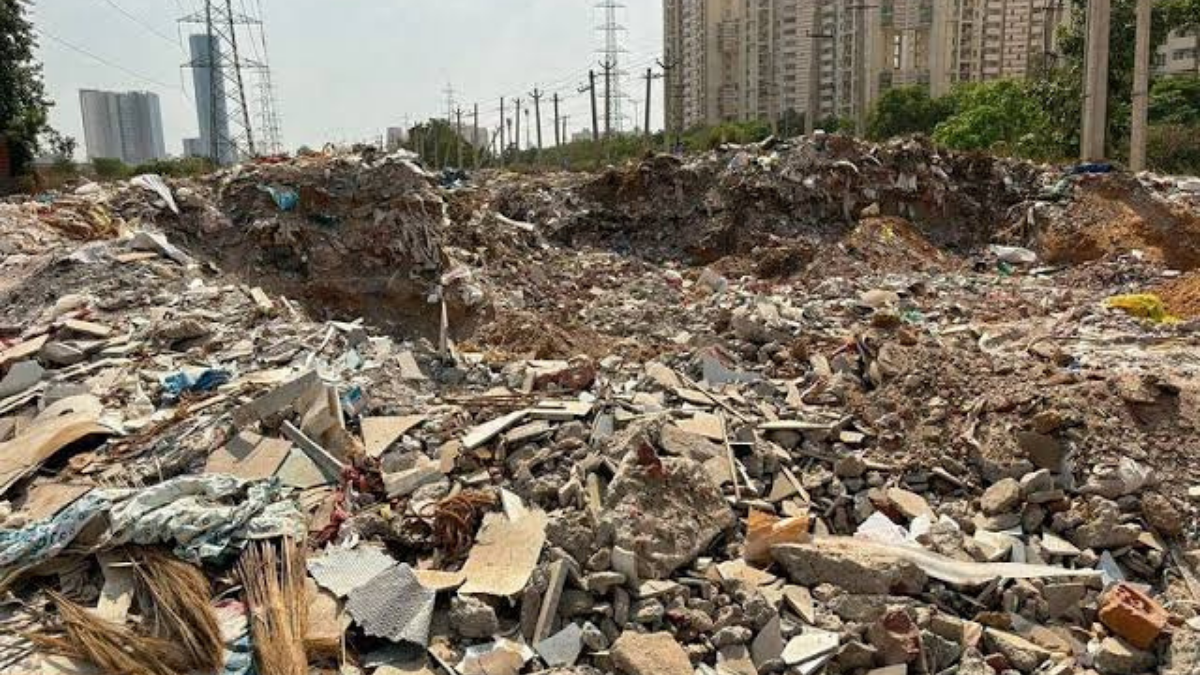
Gurugram, Haryana | September 1, 2026: Gurugram's construction and demolition waste management system is facing fresh uncertainty after the approval allowing the Basai C&D waste processing facility to handle 1,200 tonnes per day expired on Monday.
The private operator has said it will continue processing only 300 tonnes of construction debris daily until the Haryana government provides formal written approval for the higher capacity.
The issue is significant because Gurugram generates more than 1,500 tonnes of C&D waste every day.
Basai Plant Capacity Falls From 1,200 to 300 TPD
The Basai facility had been processing construction and demolition waste at an enhanced capacity of 1,200 tonnes per day.
However, with the approval now expired, the private operator has refused to continue at the higher capacity without a fresh sanction from the state government.
The company has indicated that it will continue collecting and processing only 300 TPD in the meantime.
This could leave more than 1,200 tonnes of construction debris without an identified processing route every day if no alternative arrangement is made.
MCG Wants Higher Capacity to Continue
The Municipal Corporation of Gurugram (MCG) maintains that the facility should continue operating at the enhanced capacity while the formal approval is processed.
MCG Commissioner Pradeep Dahiya said the civic body has already sent a proposal to the Urban Local Bodies (ULB) Department seeking approval for 1,500 TPD C&D waste processing capacity.
The corporation expects the approval to be granted subsequently and has indicated that the operator should continue processing at the higher capacity in the interim.
Operator Raises Payment Concerns
The private operator, however, has raised concerns about pending payments.
According to the firm, it processed around 1,200 TPD during FY 2022-23, but payments for that work have reportedly not been received.
The operator has therefore said it does not want to rely on a post-facto approval without a formal written sanction from the state government.
This disagreement has left Gurugram caught between an expired approval and an ongoing administrative process.
Gurugram Generates Over 1,500 Tonnes of C&D Waste Daily
Construction debris is generated across the city through:
- Building construction
- Demolition activity
- Road projects
- Renovation work
- Infrastructure development
With daily generation exceeding 1,500 tonnes, even the earlier 1,200 TPD capacity was not enough to process the city's entire C&D waste output.
If the Basai facility remains restricted to 300 TPD, the gap could become significantly larger.
Risk of Debris Accumulating Across the City
Residents and environmental observers have warned that a prolonged capacity shortage could result in construction debris being dumped on roadsides, vacant plots and other unauthorised locations.
A shortfall of more than 1,200 tonnes every day could quickly create large accumulations if alternative processing arrangements are not established.
This could create additional problems for road cleanliness, drainage and the overall urban environment.
Why This Matters for Gurugram's Real Estate Sector
Gurugram's rapid construction activity is one of the reasons for its growing C&D waste generation.
A disruption in waste processing could affect construction sites, renovation projects and redevelopment activity across the city.
Illegal dumping can also create environmental and sanitation problems for nearby residential communities and vacant land parcels.
For developers and property owners, efficient C&D waste management is therefore an important part of maintaining a cleaner and more sustainable urban environment.
Gurugram Already Faces Wider Waste Management Pressure
The C&D waste issue comes at a time when Gurugram's civic authorities are already dealing with broader waste-management challenges.
A prolonged dispute over the Basai facility could create a separate construction waste crisis alongside the city's existing sanitation problems.
The immediate requirement is to ensure that the processing capacity matches the volume of waste being generated.
What Happens Next
MCG is awaiting the Haryana government's decision on its proposal to increase C&D waste processing capacity to 1,500 TPD.
Until the formal approval is issued, the private operator has indicated that it will restrict operations to 300 TPD.
The situation will need to be resolved quickly to prevent a large volume of construction debris from accumulating across Gurugram and surrounding areas.