
Greater Noida West Metro Awaits Cabinet Nod as ₹2,000 Crore Project Moves Closer to Construction
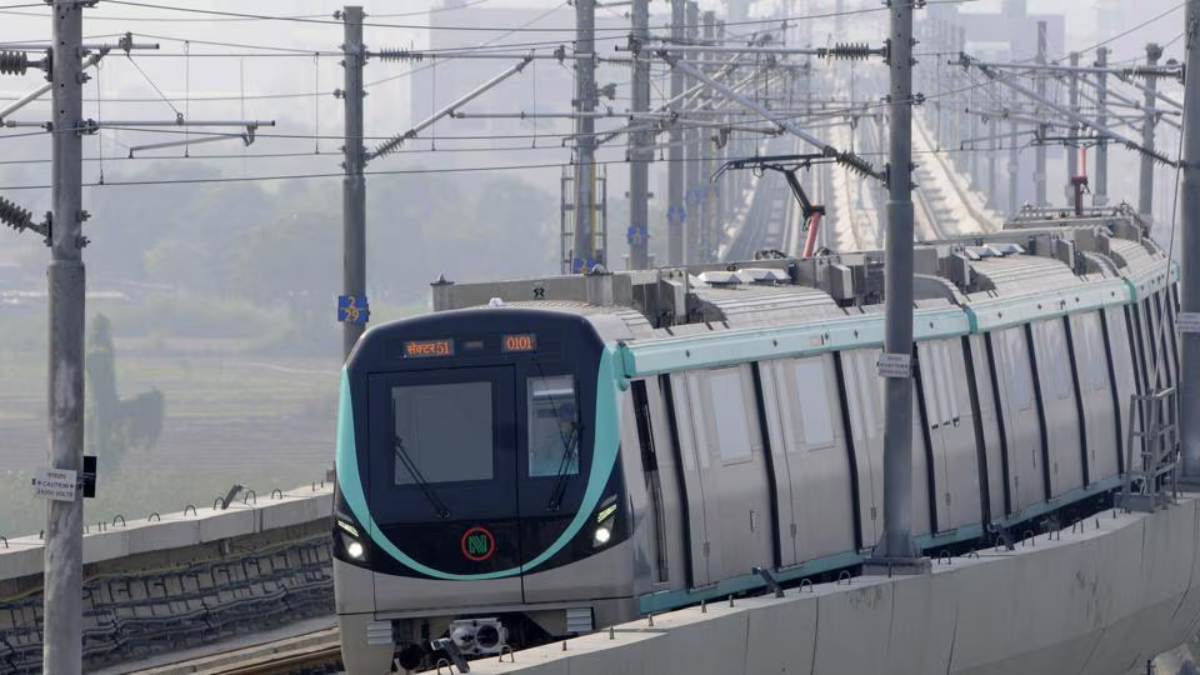
Greater Noida, Uttar Pradesh | September 7, 2026: The long-awaited Greater Noida West Metro project could receive Union Cabinet approval this month, potentially clearing the way for tendering and construction of the proposed corridor. The project is expected to improve public transport for nearly five lakh residents and strengthen connectivity between Noida and Greater Noida West.
8.4-Km Metro Corridor to Connect Noida and Greater Noida West
The proposed project will comprise an 8.4-km elevated metro corridor connecting Noida Sector 51 with Greater Noida West Sector 4.
The line will have five stations, covering Noida Sectors 61, 70, 122 and 123, before reaching Greater Noida West Sector 4 near Gaur Chowk.
For residents of the rapidly developing Greater Noida West area, the corridor could provide an alternative to road-based commuting and reduce dependence on private vehicles.
Cabinet Approval Could Start Tendering
Noida CEO Krishna Karunesh said all required no-objection certificates for the project have been obtained and that the Detailed Project Report (DPR) is currently with the Prime Minister's Office.
Once the Union Cabinet approves the project, the authorities are expected to invite tenders for appointing an agency to execute the corridor.
₹2,000 Crore Project Targets Four-Year Completion
The project has an estimated cost of nearly ₹2,000 crore and is expected to be completed within approximately four years after construction begins.
The Public Investment Board cleared the proposed corridor in July, bringing the project closer to implementation after several years of planning and revisions.
Gaur Chowk Congestion Could Ease
Greater Noida West has witnessed substantial residential development, but public transport infrastructure has not expanded at the same pace.
The proposed metro is expected to provide direct connectivity towards Noida and reduce pressure on roads around Gaur Chowk, which currently experiences significant congestion during peak commuting hours.
Better mass-transit connectivity could also improve access to employment centres, commercial areas and existing metro networks.
Why the Metro Plan Was Delayed
The project was initially proposed as an approximately 18-km corridor connecting Delhi Metro's Sector 61 station with Knowledge Park V in Greater Noida.
However, approval was held up while authorities examined its relationship with the proposed 72-km Ghaziabad-Jewar rapid rail corridor via Greater Noida West. The Noida Metro Rail Corporation (NMRC) subsequently revised the DPR, resulting in the shorter 8.4-km corridor currently under consideration.
Metro Connectivity Could Influence Property Demand
Greater Noida West has emerged as a major residential growth corridor, with numerous housing projects and a large resident population. Improved metro connectivity could make the area more attractive to homebuyers who prioritise access to public transportation.
For developers and investors, the project could also strengthen demand around stations and improve the long-term connectivity profile of nearby residential and commercial developments.
However, buyers should distinguish between announced infrastructure and operational connectivity, as the project's actual impact will depend on construction progress and its eventual commissioning.
Aqua Line Expansion Adds to Noida's Transit Network
The proposed corridor will complement the existing Aqua Line, which currently connects Noida Sector 51 with Depot station in Greater Noida.
The Centre has also approved the Aqua Line extension from Sector 142 to Botanical Garden and the Depot-Boraki corridor. The wider expansion is expected to strengthen Noida and Greater Noida's metro network and provide more interchange and regional connectivity options.