
Delhi’s Slum Rehab Cut-Off Moves From 2006 to 2025 — What It Means for Thousands of JJ Families
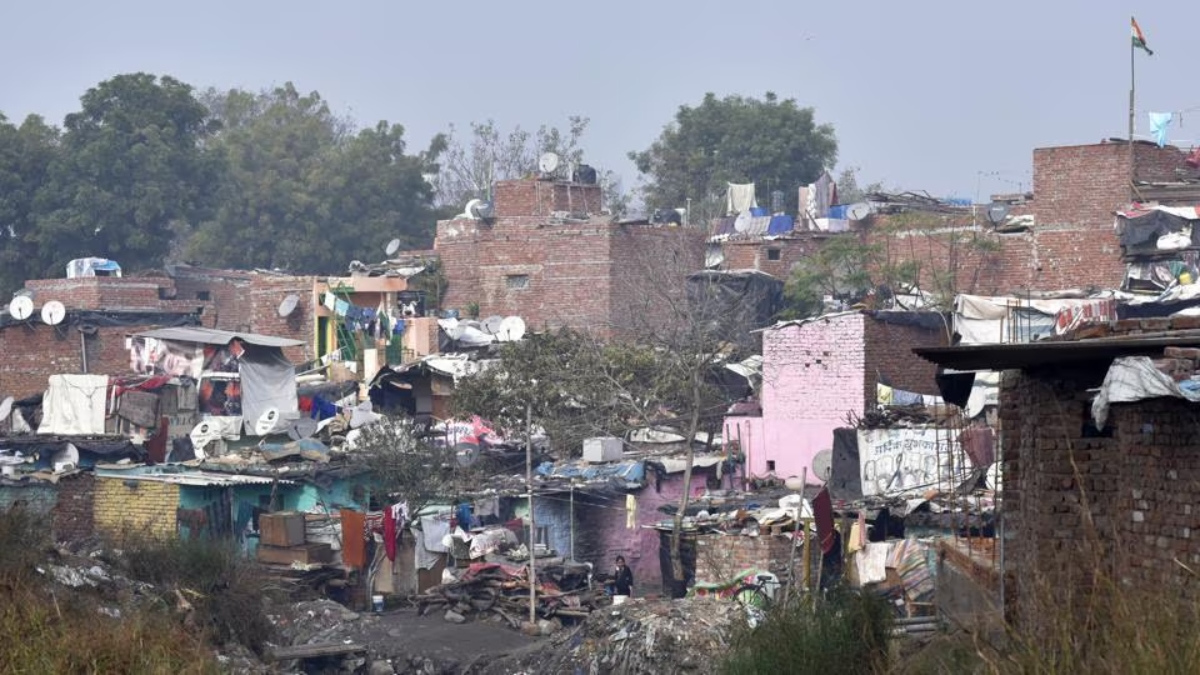
New Delhi | August 12, 2026: For families living in Delhi’s jhuggi-jhopri clusters, the difference between 2006 and 2025 could decide whether they qualify for rehabilitation benefits. The Delhi Assembly has now approved a major change that could bring many more residents into the eligibility framework.
The Assembly has passed the Delhi Urban Shelter Improvement Board (DUSIB) Amendment Bill 2026, replacing the existing JJ cluster cut-off date of January 1, 2006 with January 1, 2025.
The move is part of the Delhi government’s proposed Slum and Jhuggi Jhopri Rehabilitation and Relocation Policy, 2026, which aims to create a new framework for rehabilitating eligible JJ cluster residents.
Why the 2025 Cut-Off Date Matters
Under the earlier framework, the January 1, 2006 cut-off meant that eligibility was linked to a much older date.
By moving the date to January 1, 2025, the government is potentially widening the pool of residents who can be considered under the rehabilitation framework.
For families who have lived in Delhi's JJ clusters for years but arrived after the previous cut-off, the change could significantly improve their chances of being included — subject to the eligibility conditions and rules that are yet to be formally notified.
Delhi Plans In-Situ Rehabilitation Instead of Moving Families Away
One of the most important aspects of the government's proposal is its focus on in-situ development.
Under this approach, eligible residents could be rehabilitated at or near their existing locations instead of being shifted far away.
This matters because relocation can disrupt a family's access to jobs, schools, markets, healthcare and established social networks.
Urban Development Minister Ashish Sood said the government wants to develop an integrated model that allows people to continue with their existing livelihoods.
What Will Happen to Existing JJ Clusters?
The amendment itself changes the cut-off date. The detailed framework for implementation will follow through the proposed rehabilitation and relocation policy and subsequent official notification.
This means residents should not assume that simply living in a JJ cluster automatically guarantees a rehabilitation home.
The government will still need to establish the eligibility criteria, survey process, documentation requirements, rehabilitation mechanism and implementation rules.
Government Also Expects More Slum Clusters to Come Under the Framework
The bill acknowledges that changing the cut-off date could increase the number of slum clusters covered by the framework.
That could also increase the government's financial responsibility for rehabilitation.
The Delhi government has said its proposed 2026 policy is intended to provide a more contemporary structure for rehabilitation and relocation of eligible residents.
Why This Could Change Delhi’s Housing Landscape
Delhi's slum rehabilitation challenge is not simply about replacing informal settlements with new buildings. For residents, a rehabilitation project can determine where they live, how far they travel to work and whether their children can continue attending nearby schools.
A broader eligibility date combined with in-situ redevelopment could therefore have a much wider social and housing impact.
However, the real impact will become clearer only after the new rules are officially notified and the government begins identifying eligible beneficiaries.
For JJ cluster residents, the key development to watch now is not just the change from 2006 to 2025, but how the new eligibility and rehabilitation rules are eventually implemented on the ground.