
India to Add 51.1 Million Sq Ft of Mall Space by 2031 as NCR Leads Expansion
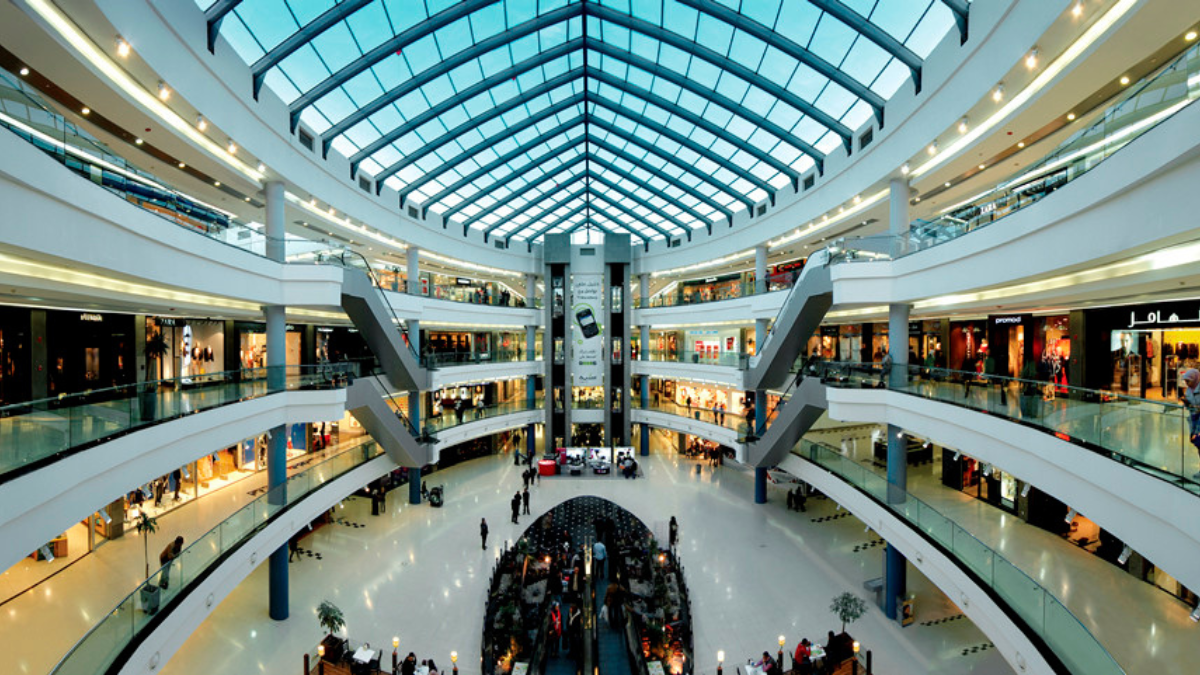
New Delhi | September 28, 2026: India’s organised retail real estate market is set for a major expansion, with the country’s seven leading cities expected to add 51.1 million sq ft of shopping mall space by 2031. Delhi-NCR is projected to lead the growth, with its operational mall stock expected to reach 48.6 million sq ft, according to a report by JLL.
The planned expansion will take total mall stock across the seven cities to 143.2 million sq ft. Large-format malls are expected to dominate upcoming supply, reflecting a shift towards retail destinations that combine shopping, entertainment, dining and leisure.
India’s Mall Stock Set to Grow by 55%
The seven major cities had a combined operational mall stock of 92.1 million sq ft as of June 2026. The addition of 51.1 million sq ft over the next five years would increase this figure to approximately 143.2 million sq ft by the end of 2031.
Large-format malls will account for 28.7 million sq ft, representing 56% of the upcoming supply. Neighbourhood malls are expected to contribute another 7.9 million sq ft, or around 15%.
The scale of planned development signals a substantial expansion of organised retail infrastructure, although actual market performance will depend on project completion and retailers’ ability to absorb the additional space.
Large-Format Malls to Drive the Next Phase of Retail Development
Large-format malls are expected to play a central role in the upcoming expansion. These developments are increasingly being designed as experience-led destinations rather than conventional shopping centres.
According to JLL, around 30–35% of the space in upcoming large-format malls is expected to be allocated to entertainment, food and beverage, and services. This could translate into approximately 9–10 million sq ft dedicated to these categories.
Saket Amrit, Head of Retail Services, India, at JLL, said the next phase of retail development would be increasingly driven by large-format, experience-led destinations.
Delhi-NCR to Remain India’s Largest Mall Market
Delhi-NCR is expected to retain its position as India’s largest retail market. Its operational mall stock is projected to increase from 29 million sq ft in the first half of 2026 to 48.6 million sq ft by 2031.
Bengaluru’s mall stock is expected to reach 22 million sq ft, while Mumbai is projected to have 21.6 million sq ft by the same year. More than half of the upcoming retail supply is expected to be concentrated in Delhi-NCR and Hyderabad.
The concentration of new projects in these markets could expand organised retail options while increasing competition among existing and upcoming shopping destinations.
Retail Leasing and Vacancy Will Shape Market Performance
Despite the planned expansion, the current market provides an important measure of retail space absorption. The seven major cities recorded gross retail leasing of 6.3 million sq ft in the first half of 2026.
As of June 2026, the combined mall vacancy rate stood at 11.2%. JLL estimates that projects currently under construction could generate incremental demand for approximately 45.9 million sq ft of retail space.
The relationship between new supply, leasing activity and vacancy will be crucial for developers evaluating project viability and retailers assessing locations for expansion.
Large Developers Expected to Increase Their Market Share
The organised retail real estate sector is also expected to become more concentrated among major developers.
The three largest listed developers accounted for around 14% of operational retail stock in Tier-I markets as of the first half of 2026. Their combined share is projected to rise to approximately 21% by 2031.
Meanwhile, the top 10 developers could collectively account for around 44% of total shopping mall stock by the end of the period.
This projected shift highlights the growing role of established developers in India’s organised retail property market. The pace of project delivery and the ability to attract tenants will remain important to their expansion.
What the Mall Expansion Means for Property Investors
The projected addition of 51.1 million sq ft will create opportunities for developers, retailers and businesses seeking space in organised shopping centres. Delhi-NCR and Hyderabad, which are expected to account for more than half of upcoming supply, will be important markets to monitor.
For commercial property investors, however, the increase in mall space also makes project-level assessment essential. Catchment areas, accessibility, tenant mix, occupancy and competition from nearby malls can all influence a property's performance.
The next five years will test how effectively India’s retail market absorbs the new supply. Project completion, leasing momentum and vacancy trends will be key indicators of whether the expansion translates into sustained demand.