
Delhi Finalises Slum Rehabilitation Policy What Four Lakh Families Need To Know About Eligibility And Housing Benefits
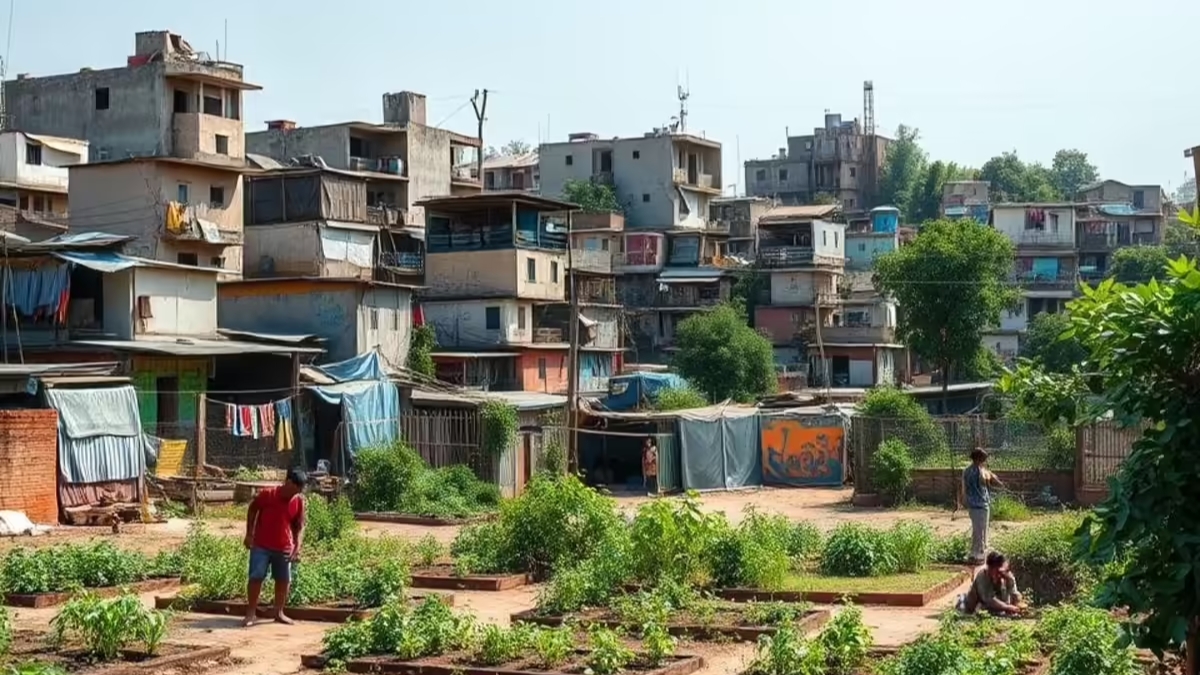
NEW DELHI | June 17, 2026L: A major redevelopment push could be on the horizon for thousands of families living in Delhi's JJ clusters after the Delhi Slum and JJ Cluster Rehabilitation and Relocation Policy 2026 was finalised.
The policy is expected to shape how rehabilitation housing projects move forward across the capital and could directly affect around four lakh families currently living in notified slum settlements.
For residents, the biggest question is no longer whether a policy will come.
The focus now shifts to who qualifies, how redevelopment projects will be implemented and when housing benefits could start reaching eligible families.
Why This Policy Matters
Delhi has hundreds of JJ clusters spread across different parts of the city.
For years, redevelopment and rehabilitation projects have faced delays because of land issues, planning challenges and implementation hurdles.
The newly finalised policy aims to create a structured framework for relocating and rehabilitating eligible residents while enabling large-scale redevelopment projects to move ahead.
The Most Important Detail For Residents
One of the key decisions announced during the review meeting is the eligibility cut-off date.
Authorities have fixed January 1, 2025 as the reference date for determining eligibility within JJ clusters.
For many families, this date could become one of the most important factors in future rehabilitation decisions.
Residents are expected to closely monitor future notifications to understand documentation and verification requirements.
What Could Change On The Ground
The government has directed agencies to accelerate redevelopment activity through public-private partnership projects.
Officials have been asked to move forward with tenders for multiple rehabilitation projects and prepare documentation for additional JJ clusters.
If implemented efficiently, the policy could speed up redevelopment activity across several parts of Delhi.
More Than Just Housing
Officials have also emphasised that rehabilitation colonies should not be limited to residential units alone.
Plans include provisions for:
- Anganwadi centres
- Schools and educational facilities
- Health centres
- Playgrounds
- Community infrastructure
Urban planners often consider such facilities critical for the long-term success of rehabilitation projects.
Why Property Watchers Are Tracking This Policy
The policy is not only important for existing residents.
Large-scale rehabilitation and redevelopment programmes can influence land use, housing supply and urban development patterns in the capital.
As redevelopment progresses, several parts of Delhi may witness significant changes in the coming years.
What Residents Should Watch Next
Families living in JJ clusters should pay attention to:
- Official policy notification
- Eligibility guidelines
- Documentation requirements
- Cluster-wise redevelopment announcements
- Rehabilitation project tenders
These details are likely to determine how benefits are implemented at the ground level.
A Bigger Urban Redevelopment Story
Beyond housing, the policy represents one of Delhi's most significant urban redevelopment initiatives in recent years.
Its success will depend on execution, transparency, project delivery and the ability of agencies to balance redevelopment goals with rehabilitation commitments.
For now, the finalisation of the policy marks the beginning of the next phase rather than the end of the process.