
US Homebuilding Falls To Eight Month Low As Mortgage Costs Continue To Rise
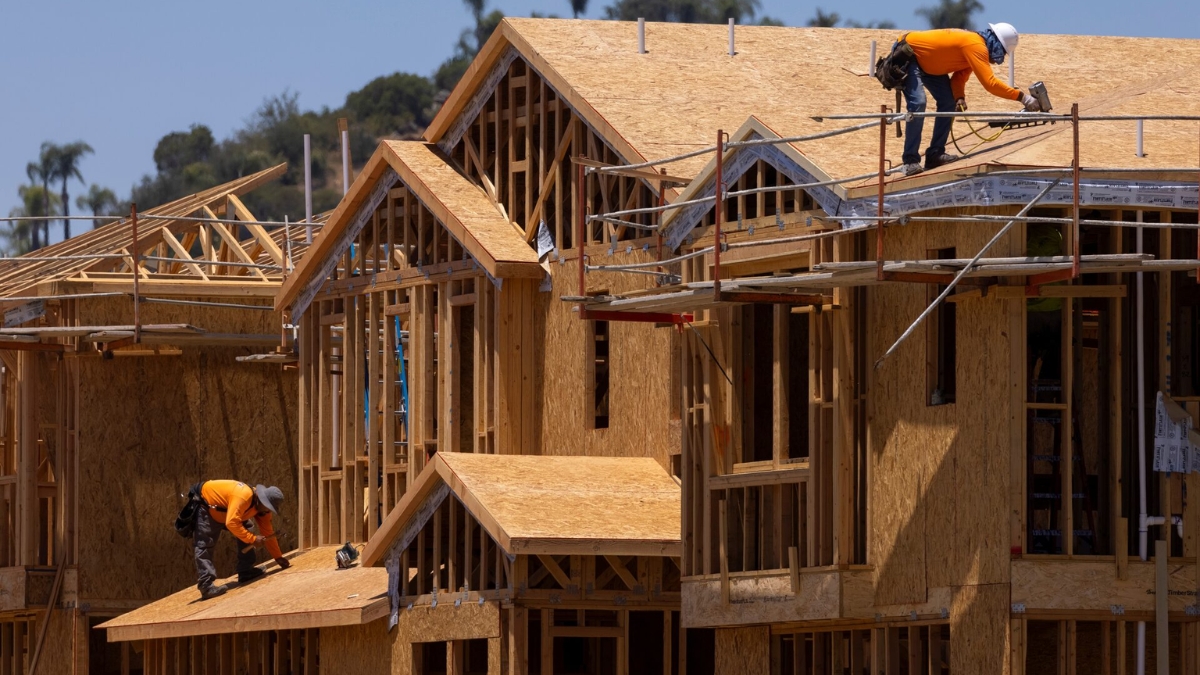
WASHINGTON | June 17, 2026 The US housing market showed fresh signs of weakness in May as single-family home construction dropped to its lowest level in eight months, highlighting the growing pressure that high mortgage rates and rising construction costs are placing on homebuyers.
According to data released by the US Commerce Department, builders started fewer new homes during the month as borrowing costs remained elevated and material prices continued to rise.
The slowdown has intensified concerns about housing affordability, with many potential buyers finding it increasingly difficult to enter the market.
Why Are Builders Pulling Back
Developers across the US are facing multiple challenges at the same time.
These include:
- Higher mortgage rates
- Expensive building materials
- Elevated construction costs
- Limited availability of labour
- Shortage of buildable land
Industry experts believe these factors are making it difficult for builders to launch new projects despite a continuing housing shortage.
What It Means For Homebuyers
For buyers, fewer new homes entering the market could limit housing choices in some regions.
At the same time, high financing costs continue to reduce affordability, particularly for first-time buyers.
Market analysts say many households are delaying purchase decisions while waiting for borrowing costs to stabilise.
Housing Affordability Remains A Challenge
The US continues to face a shortage of available housing.
Industry estimates suggest the country remains short of more than one million homes, a gap that has contributed to rising prices and affordability concerns in recent years.
Experts argue that increasing supply remains one of the most effective ways to improve affordability over the long term.
Rising Import Costs Add More Pressure
Separate data released during the week showed a sharp increase in import prices, particularly for fuel and capital goods.
Higher import costs can eventually affect construction expenses, consumer prices and broader inflation trends, adding another challenge for both builders and policymakers.
What Happens Next
Investors and homebuyers are now watching the US Federal Reserve closely for signals on future interest-rate policy.
While inflation pressures appear to be easing in some areas, economists expect borrowing costs to remain relatively high in the near term.
As a result, housing activity may continue to face headwinds during the coming months.