
They Paid for Homes in 2012 After 14 Years the Bombay High Court Finally Cleared the Way for Their Refund
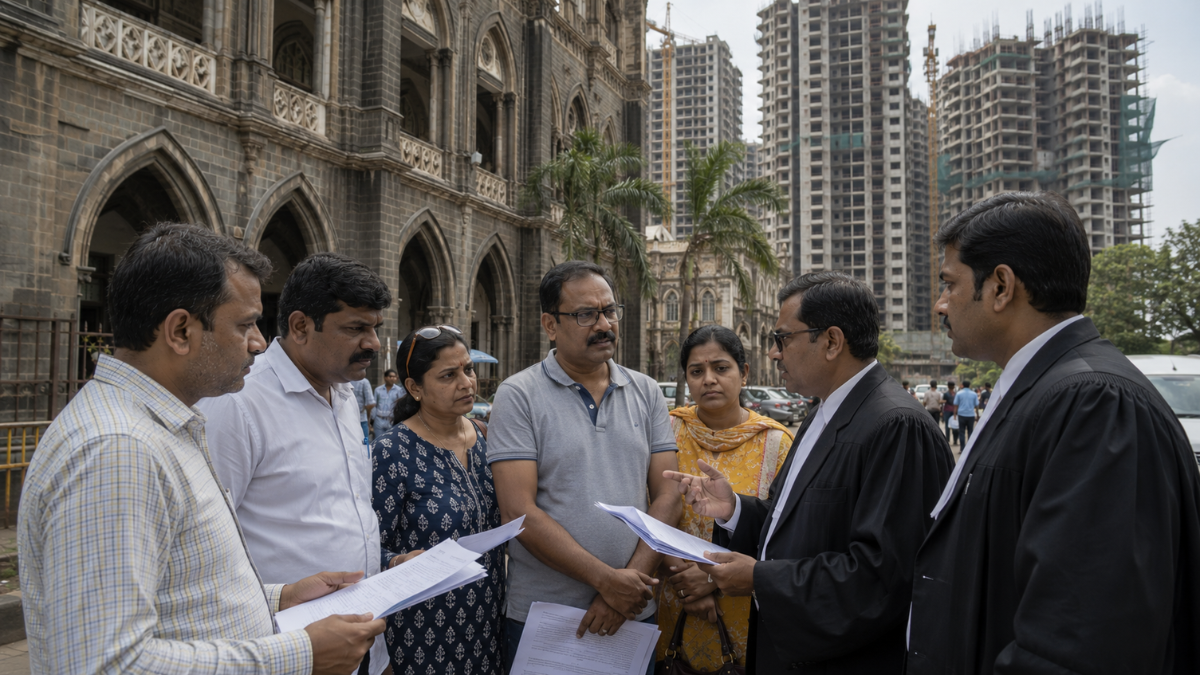
PUNE | July 21, 2026: For 13 homebuyers, what began as a dream of owning a home in 2012 turned into a legal battle that stretched for more than a decade. Now, the Bombay High Court has delivered a ruling that not only orders their money to be returned but also raises serious questions about how a government-led property auction was conducted.
In a significant judgment, the court set aside the auction of 4.42 acres of land linked to the Aura City housing project in Shikrapur and directed the developer, Bhagvati Infra (formerly Jalan Maple Shelters), to refund about ₹3.15 crore, along with applicable interest, to the affected buyers within two weeks.
This Case Was Never Just About an Auction
The cancelled auction was meant to help recover money owed to homebuyers under a MahaRERA recovery warrant.
Instead, the High Court found multiple irregularities in the auction process, observing that required procedures were allegedly not followed before the land was sold.
The judgment effectively clears the path for the refund process while reversing the legal consequences arising from the disputed auction.
Court Finds Serious Irregularities
The High Court pointed to several issues in the way the auction was conducted, including alleged procedural lapses relating to valuation, auction timelines, property description and bidder compliance.
The court also directed the Maharashtra government to initiate action, including possible suspension proceedings, against the Shirur Tehsildar over the manner in which the auction was handled. The state has been asked to report back within six months on the action taken.
A Reminder That Homebuyers Can Continue Their Legal Fight
One reason this judgment stands out is that the buyers did not abandon their case despite years of delay.
Their complaints were originally filed before MahaRERA in 2018, leading to a recovery warrant in 2021. Although the recovery process became entangled in multiple legal and administrative issues, the High Court's latest order has revived hope for the affected families.
For homebuyers facing similar disputes, the ruling highlights that legal remedies under RERA can continue even when enforcement becomes delayed or complicated.
The Court Also Criticised Administrative Conduct
During the proceedings, the High Court expressed strong displeasure over the conduct of the Pune District Collector, observing that appearing before the court virtually while travelling in a car reflected a casual approach towards judicial proceedings.
The judgment also questioned delays linked to the handling of the property and suggested that the State Bank of India may consider examining the prolonged recovery process related to the asset.
What This Means for Homebuyers
Buying a home is not only about selecting a project—it is also about choosing a developer with a credible delivery record and ensuring that regulatory approvals remain in place throughout the project lifecycle.
While every stalled project has its own legal circumstances, this case reminds buyers that court orders, RERA proceedings and recovery actions can significantly influence how and when affected purchasers receive relief.
Why This News Matters
Many readers will see this as a story about a cancelled land auction.
The bigger story is different.
Fourteen years after paying for homes, buyers are still fighting to recover their money. The High Court's order sends a message that procedural lapses in recovery proceedings can also come under judicial scrutiny—not just the actions of developers.
For anyone investing in an under-construction home, this case underlines why the developer's track record, regulatory compliance and project history deserve as much attention as the apartment itself.