
How to Check a Property Before Paying the Booking Amount
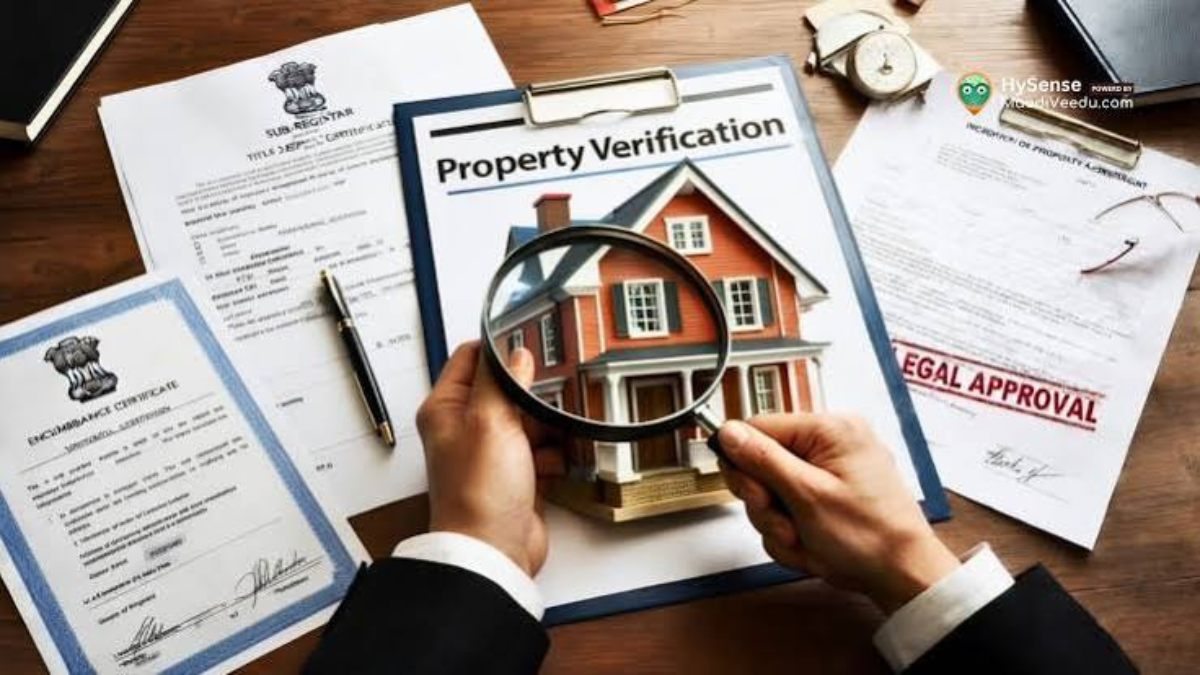
A property may look perfect in an advertisement, but the biggest risks are often hidden in documents, approvals and ownership records.
Before paying a booking amount, buyers should complete a basic property check to avoid expensive problems later.
Verify the Seller's Ownership
First, confirm that the person or company selling the property actually has the legal right to sell it.
Ask for the relevant title documents and check whether the seller's name matches the available property records.
For a resale property, buyers should also examine the previous ownership documents to understand the title chain.
Check RERA Registration
For applicable projects, verify the project's RERA registration details before making a payment.
Check the registered developer, project details, approved timeline, number of units and other information available on the relevant state RERA portal.
Do not rely only on a brochure or sales representative's statement.
Check Land and Building Approvals
A property should have the permissions required for its location and type.
Depending on the project, buyers may need to verify:
- Land-use status
- Approved building plan
- Development permissions
- Layout approval
- Required NOCs
- Completion or occupancy approvals
Look for Existing Loans or Legal Disputes
Buyers should check whether the property is already mortgaged, involved in litigation or subject to any claim.
A legal professional can help examine title documents and identify issues that may not be obvious from the sale deed alone.
Be Careful With Very Cheap Offers
An unusually low price can be attractive, but it should also trigger additional questions.
Buyers should be particularly cautious about properties marketed with unusually high returns, urgent payment demands or promises of approvals that are supposedly “coming soon.”
Never let a discount replace proper verification.
Do Not Pay Before Checking the Documents
The booking amount may seem small compared with the total property price, but recovering money from a disputed or fraudulent transaction can become extremely difficult.
Before transferring funds, buyers should understand what they are paying for, who is receiving the money and whether the property has the necessary approvals.
Keep Every Payment and Communication Record
Save receipts, bank-transfer details, booking forms, agreements, emails and messages exchanged with the seller or developer.
These records can become important if a dispute arises later.
Grihik Take
The safest property purchase is not necessarily the one with the biggest discount.
It is the one where ownership, approvals, project status and payment records can all be independently verified before money changes hands.
A few hours of due diligence before booking can protect years of savings.