
Van Nest’s 125-Year-Old House to Make Way for 11-Unit Rental Building Near New Metro-North Stop
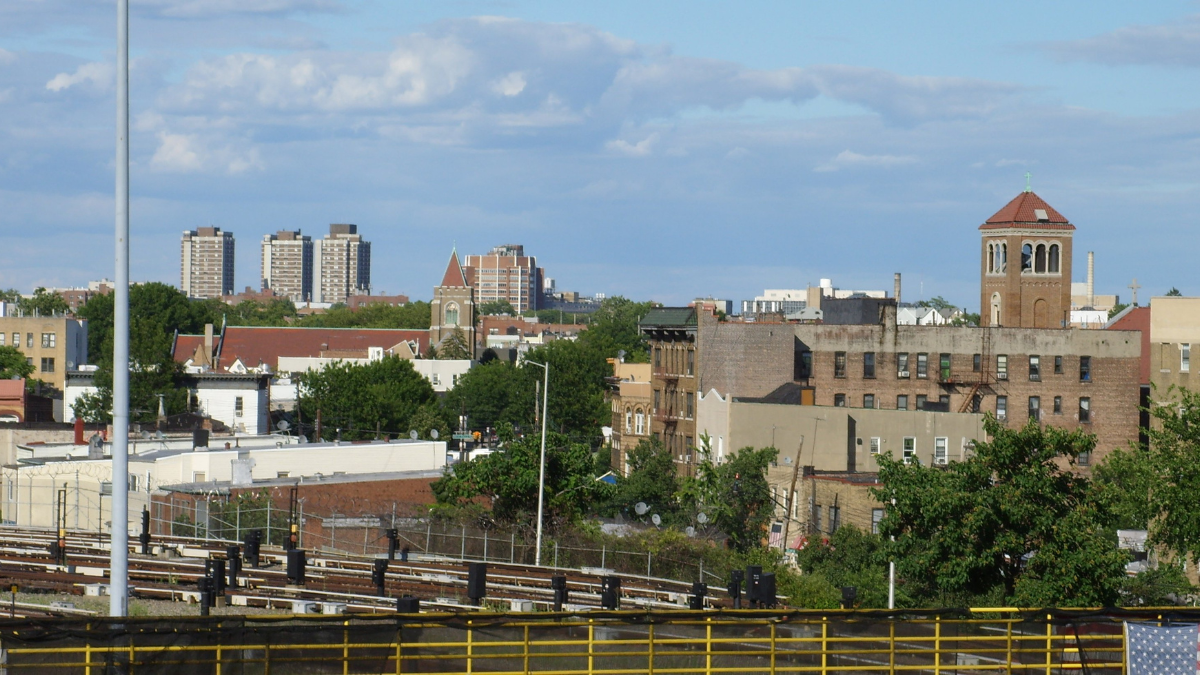
Van Nest, Bronx | October 19, 2026: A 125-year-old two-family house in Van Nest is set to be replaced by an 11-unit rental building, adding new housing to an East Bronx neighbourhood that is undergoing a major transformation driven by rezoning and planned Metro-North expansion.
Plans filed for 1848 Muliner Avenue call for a three-story residential building with approximately 6,891 square feet of residential space. The proposed apartments would average about 626 square feet each.
Old Two-Family Home Set for Replacement
The existing property is a roughly 2,100-square-foot two-family house built around 1901 on a 0.06-acre lot. The proposed building would rise about 29 feet and include a cellar.
Alfons Tinaj, affiliated with A&T Construction Group Inc., is listed as the owner behind the applications. Jakov Saric of Node Architecture, Engineering, Consulting PC is listed as the architect.
No demolition permit has been filed yet, and no completion date has been announced.
Rezoning Opens Door to More Housing
The project comes as Van Nest and neighbouring East Bronx communities experience increased development interest following the Bronx Metro-North Station Area Rezoning approved in 2024.
The rezoning is intended to facilitate roughly 7,000 new housing units across Van Nest, Morris Park and Parkchester. The policy was closely linked to plans for new Metro-North stations in the area, including a Parkchester/Van Nest station and a Morris Park station.
The combination of higher residential capacity and improved transportation could encourage more developers to redevelop older, low-density properties.
New Transit Could Strengthen the Property Market
For property owners, the location of the proposed project is particularly significant.
1848 Muliner Avenue is near the Bronx Park East subway station, served by the 2 and 5 trains, while planned Metro-North stations could provide additional regional connectivity.
Better transit access can make neighbourhoods more attractive to both renters and developers. As new housing projects emerge, older properties with redevelopment potential could increasingly attract investor attention.
Infrastructure Remains a Key Concern
The expected increase in housing also brings concerns about whether local infrastructure can keep pace with development.
Bronx Community Board 11 supported the rezoning but sought commitments to improve water, sewer and transportation infrastructure before the area absorbs a substantial increase in residents.
For the property market, the success of the area's transformation will therefore depend not only on how many homes are built but also on whether supporting infrastructure improves alongside them.
Housing Growth Does Not Solve the Affordability Gap
The development also highlights the continuing challenge of affordable housing in the East Bronx.
Van Nest's council district has recorded relatively limited affordable housing production in recent years. While projects such as 1848 Muliner Avenue can increase overall rental supply, they do not necessarily address the shortage of homes affordable to lower-income households.
The balance between market-rate development and affordable housing will remain an important issue as rezoning drives further construction.
What Property Owners Should Watch
Van Nest's changing zoning and transportation landscape could create new opportunities for owners of older residential properties.
Owners and investors should pay close attention to zoning allowances, development potential, proximity to transit and planned infrastructure upgrades when assessing property values in the area.
For renters, the arrival of additional apartments could gradually increase housing options in a neighbourhood where transportation access is expected to improve.
What Happens Next
The 1848 Muliner Avenue proposal remains in the permitting stage. The next key steps will include securing demolition and construction approvals before work can begin.
If similar projects continue to follow the rezoning and transit investment, Van Nest could see more low-density properties replaced with multifamily housing, gradually reshaping the neighbourhood's residential and property market landscape.