
Trump Signs Order to Cut Mortgage Costs and Expand Housing Affordability
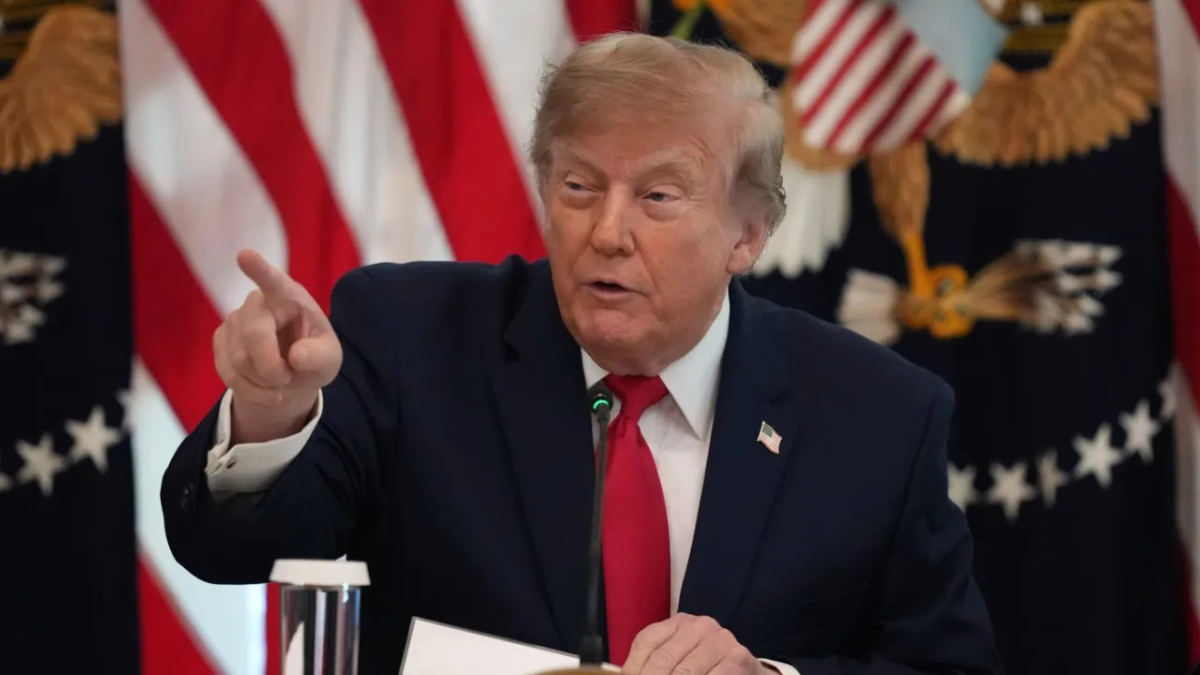
Washington, USA | October 23, 2026: President Donald Trump has signed an executive order aimed at reducing mortgage and homeownership costs in the United States, with measures covering mortgage insurance, refinancing expenses, manufactured housing and government-backed home loans.
The order directs federal housing agencies to pursue changes that could lower costs for borrowers, including proactive cancellation of mortgage insurance for eligible homeowners and wider use of title insurance alternatives. It also calls for lower interest rates on certain direct home loans offered through the U.S. Department of Agriculture and Department of Veterans Affairs.
Mortgage Insurance Could Be Cancelled Earlier
The order directs the Federal Housing Finance Agency to establish a pilot programme that would allow mortgage insurance premiums to be cancelled proactively for borrowers who meet certain equity requirements based on current property values.
The initiative is intended to identify homeowners who may already have enough equity to qualify for cancellation without requiring them to go through lengthy documentation or appraisal processes.
For eligible homeowners, earlier cancellation could reduce monthly housing expenses and increase the amount of money available for other household needs.
Title Insurance Waivers Could Lower Refinancing Costs
The order also calls for the expansion of an existing title insurance waiver pilot into a permanent programme.
The initiative would allow more borrowers to use alternatives to traditional title insurance in qualifying transactions, potentially reducing closing costs associated with refinancing.
The administration has argued that outdated processes and regulatory requirements have contributed to higher borrowing and closing costs, making homeownership more difficult for many Americans.
USDA and VA Loans Could Get Lower Rates
Another provision directs the secretaries of the USDA and VA to reduce interest rates on certain single-family direct loans provided through their respective programmes.
Lower rates could reduce monthly payments for eligible borrowers and potentially improve affordability for households that qualify for government-backed financing.
The move could be particularly relevant for rural homebuyers and veterans who rely on USDA and VA lending programmes.
New Task Force to Focus on Manufactured Housing
The executive order also creates a task force focused on improving the quality and affordability of manufactured housing.
The group is expected to examine federal requirements and recommend ways to encourage modern construction methods and make factory-built homes more accessible to buyers.
Manufactured housing has increasingly attracted attention as policymakers look for alternatives to traditionally built homes, particularly in markets where high construction costs and limited supply are keeping home prices elevated.
Industry Welcomes Lower Housing Costs
Mortgage and housing industry groups have welcomed several of the measures included in the order.
The Community Home Lenders of America said initiatives involving title insurance costs, manufactured housing and veterans' mortgages have been longstanding industry priorities.
Mortgage professionals also said proactive mortgage insurance cancellation and streamlined refinancing could potentially reduce costs for homeowners, particularly if borrowing rates decline and refinancing activity increases.
Market Impact Will Depend on Implementation
While the order has received support from parts of the mortgage industry, analysts have cautioned that its immediate impact on the broader housing market may be limited.
The effectiveness of the measures will depend on how quickly federal agencies implement the initiatives, how widely the programmes are expanded and which borrowers ultimately qualify.
For homeowners, the biggest potential benefit could come from lower monthly mortgage-related expenses and reduced refinancing costs. For prospective buyers, the manufactured-housing and government-loan provisions could provide additional financing and housing options.