
LIC Renters Accuse Rockrose of $50M Rent Scheme While Receiving $194M Tax Break
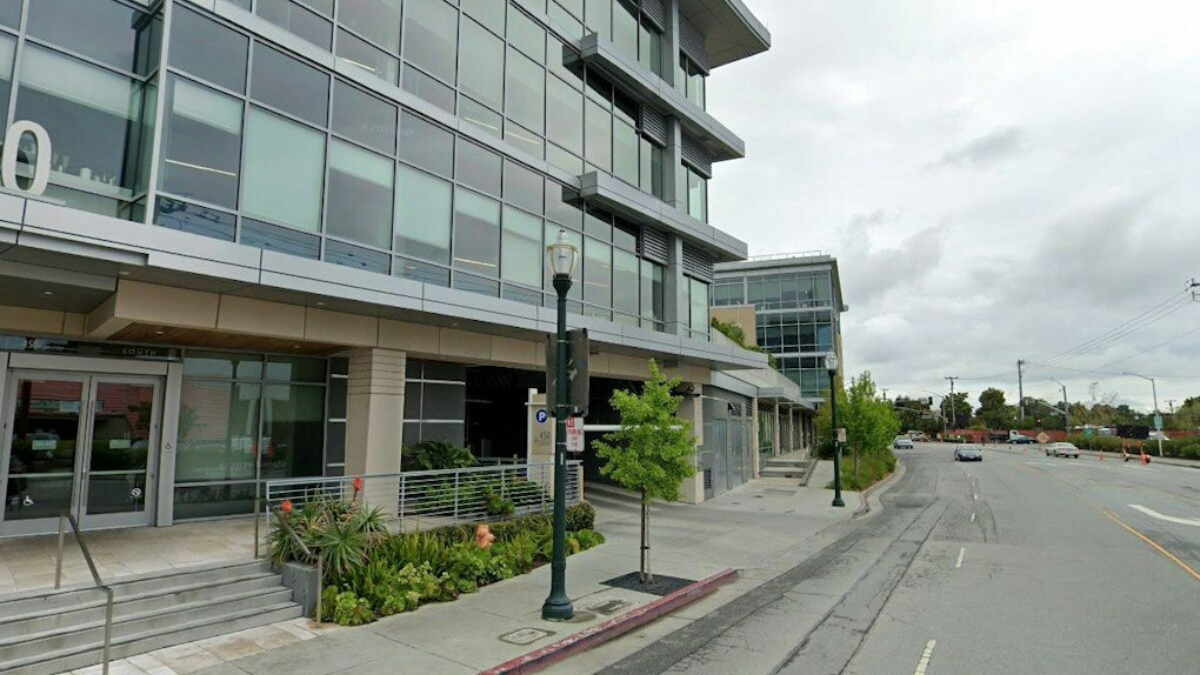
New York, USA | October 23, 2026: Tenants at three apartment towers in Long Island City have filed a class-action lawsuit against Rockrose Development Corporation, alleging that the landlord used discounted rents to attract residents and later imposed higher renewal increases based on pre-concession rents. The tenants are seeking more than $50 million in alleged overcharges.
The lawsuit covers residents at Eagle Lofts, The Linc and Hayden LIC, three Long Island City properties owned by Rockrose. The case raises questions about how rent concessions should be treated when calculating increases for rent-stabilized apartments.
Tenants Challenge Rent Calculation Practices
According to the allegations, Rockrose advertised apartments at lower net-effective rents by offering concessions to new tenants. However, when leases came up for renewal, tenants claim the company calculated permitted rent increases using the higher pre-concession rent rather than the lower amount they had actually paid.
The complaint cites one apartment advertised at $4,987 per month, while a concession reduced the net-effective rent to $4,796. The lawsuit alleges that Rockrose subsequently used the higher $4,987 figure when calculating the renewal increase.
The tenants are seeking refunds for the alleged overcharges and want their rents recalculated based on the applicable net-effective rates.
A Tenant's Years-Long Dispute Leads to New Lawsuit
The latest case follows an earlier legal dispute involving Hyun Choi, a tenant in a Rockrose-owned rent-stabilized apartment.
Choi moved into his apartment in 2021 and received rent concessions during his initial lease. When his two-year lease came up for renewal in 2023, he began questioning how his rent had been calculated and later sought legal advice.
Choi filed a lawsuit against Rockrose in 2024. A May 2026 court decision found that Rockrose had violated the Housing Stability and Tenant Protection Act of 2019 and encouraged the parties to reach a settlement.
Choi has also alleged that Rockrose charged him legal fees connected with his apartment despite the court ruling. A related case, Grey v. LIC Development Owner, L.P., remains pending.
Rockrose Faces Scrutiny Over $194 Million Tax Benefit
The dispute has also drawn attention to Rockrose's use of New York's 421-a tax incentive programme.
Housing Rights Initiative, working with the office of State Sen. Kristen Gonzalez, alleges that Rockrose received $194,273,281.13 in 421-a tax exemptions while tenants were allegedly being subjected to improper rent increases.
HRI said it reviewed dozens of Rockrose leases and identified similar patterns involving rent concessions and subsequent rent calculations.
The 421-a programme provided tax benefits for qualifying multifamily housing developments. Although the programme expired in 2022, properties that qualified under earlier provisions can continue receiving benefits under existing terms and extensions, subject to compliance requirements.
Housing Advocates Raise Tenant Rights Concerns
State Sen. Kristen Gonzalez's office contacted tenants in July following HRI's findings and raised concerns about alleged illegal rent increases.
Housing advocates have said rent concessions became particularly common in Long Island City, northern Brooklyn and Manhattan during the pandemic, when landlords used discounts to attract residents in a weaker rental market.
The issue has since become part of a wider tenant-rights campaign focused on buildings that received 421-a tax benefits.
Rockrose Says It Has Not Been Served
Rockrose has said it had not yet been served with the latest complaint and was awaiting final decisions in the Choi and Grey cases before responding further.
The Long Island City lawsuit comes as other New York landlords face similar legal challenges involving net-effective rents and rent-stabilized apartments.
A separate lawsuit involving Black Spruce Management's Copper development in Murray Hill alleges that the landlord used higher base rents to calculate renewal increases, with plaintiffs claiming increases reached as much as 20%. Another class-action lawsuit involving Spitzer Enterprises concerns alleged overcharges at 420 Kent Avenue in Williamsburg.
The cases highlight growing scrutiny of how landlords structure rent concessions and calculate renewal increases in New York's regulated housing market.
What the Case Could Mean for Renters and Property Owners
For renters, the dispute highlights the importance of checking the relationship between advertised net-effective rent, lease rent, concessions and renewal calculations. Keeping copies of leases, concession agreements and renewal notices can help tenants challenge disputed rent increases.
For property owners, the case demonstrates the potential legal and financial risks associated with rent-stabilized housing, rent concessions and tax incentive programmes.
The outcome of the latest lawsuit could provide further clarity on how concession-based rents should be treated when calculating future increases, while also adding to the broader debate over tenant protections and property-tax incentives in New York's multifamily housing market.