
Saudi Arabia’s New Murabba Replaces CEO as $50 Billion Riyadh Project Faces Delays
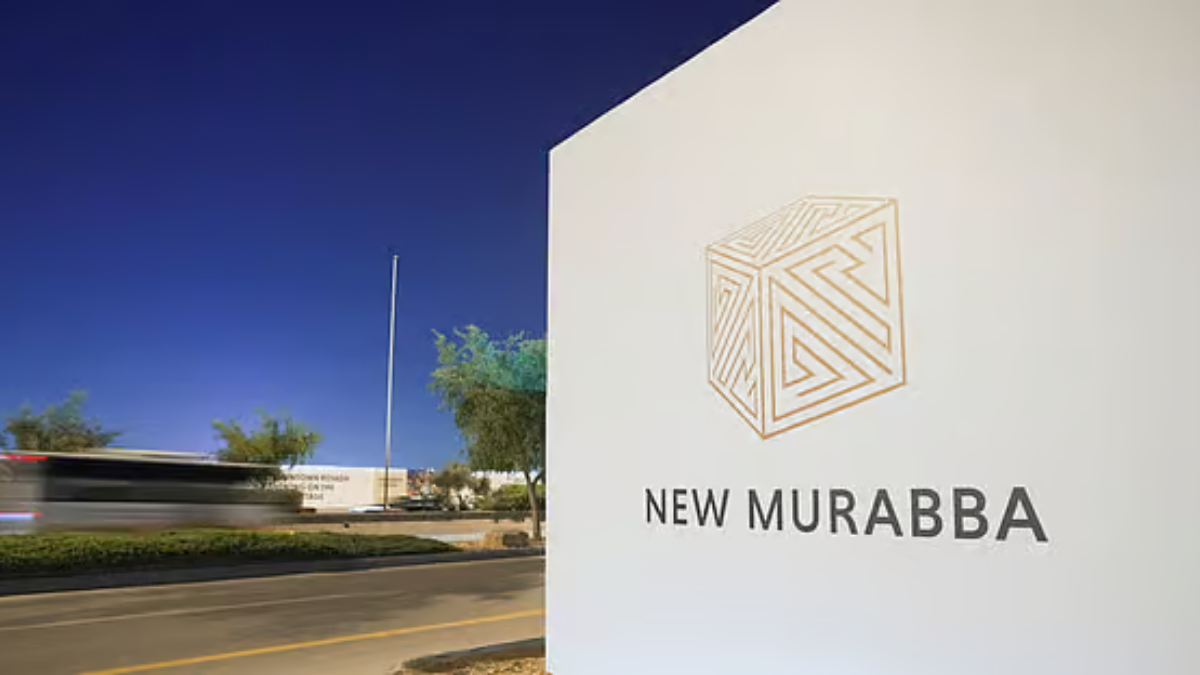
Riyadh, August 29, 2026: Saudi Arabia’s ambitious New Murabba megaproject has changed its top leadership, with Sabah Barakat appointed as acting chief executive, replacing Michael Dyke, who had led the developer since 2024.
The leadership change comes as Saudi Arabia reviews several large-scale projects under its Vision 2030 economic transformation programme amid financial pressures and lower oil revenues.
New CEO Takes Charge
Sabah Barakat, a senior executive at Saudi Arabia’s Public Investment Fund (PIF), has been appointed acting CEO of New Murabba.
Barakat also serves as acting group CEO of state-backed developer ROSHN Group.
It remains unclear whether Michael Dyke will continue with New Murabba in another role.
$50 Billion Project Gets a Longer Timeline
New Murabba is developing a massive downtown district in Riyadh, centred around the proposed cube-shaped skyscraper known as Mukaab.
The district was initially targeted for completion by 2030, but the timeline has now been pushed to 2040.
Real estate consultancy Knight Frank has estimated the cost of the New Murabba district at around $50 billion.
Why Is Saudi Arabia Reworking Mega Projects?
Saudi Arabia has committed hundreds of billions of dollars to Vision 2030 projects designed to diversify its economy beyond oil.
However, lower-than-expected oil prices and pressure on government finances have forced Riyadh to reassess spending priorities. Several major projects have reportedly been scaled back or adjusted under the PIF’s 2026–2030 strategy.
What It Means for Riyadh’s Real Estate Market
New Murabba is expected to create a major new urban district with residential, commercial, tourism and entertainment components.
The extended timeline suggests that Saudi Arabia is moving toward a more measured approach to mega-project development, prioritising financial sustainability and phased execution over the original aggressive deadlines.
Grihik Takeaway: New Murabba remains one of Saudi Arabia’s most ambitious real estate developments, but the shift from a 2030 to 2040 completion target shows how financing conditions and changing investment priorities are reshaping even the kingdom’s biggest projects.