
Langham CEOs Luxury Hotel Strategy Puts Experience and Real Estate Value in Focus
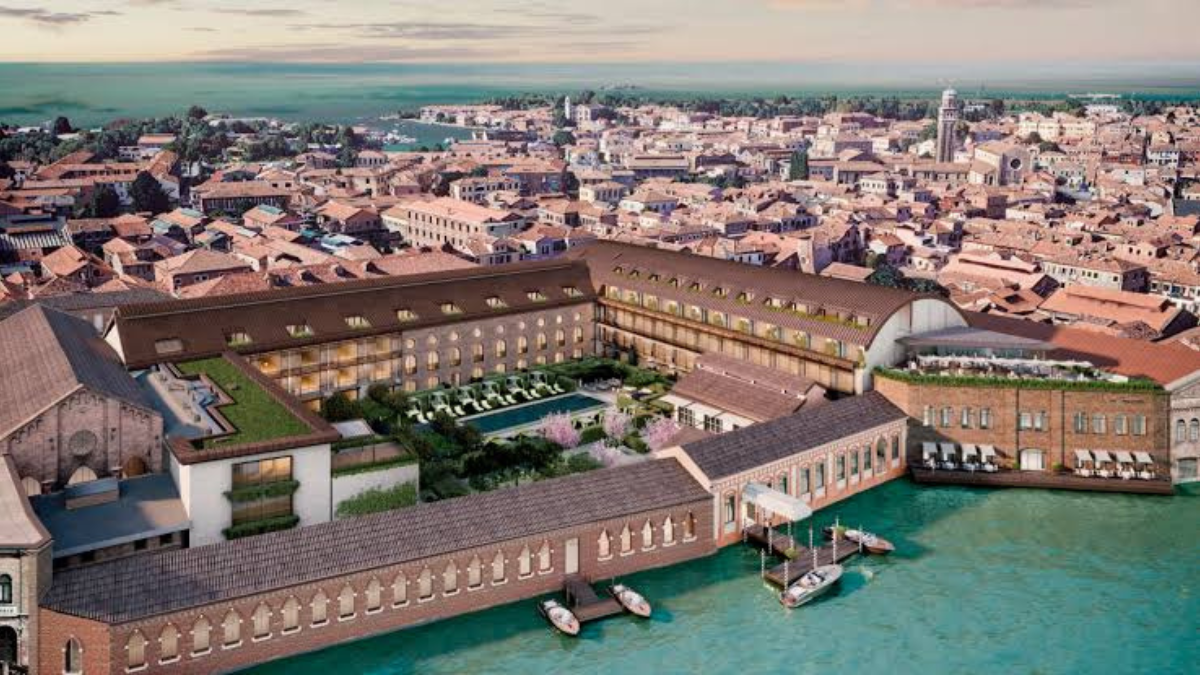
London | October 20, 2026: Luxury hotels are no longer competing only on grand interiors, premium rooms or famous addresses. For Langham Hospitality Group CEO Bob van den Oord, the next phase of luxury hospitality is increasingly about creating properties where service, design, wellness, dining and local experiences work together to build long-term value.
Van den Oord, who has spent more than two decades with Langham, has been leading the group since becoming CEO in 2023. His approach comes at a time when hotel owners and developers are increasingly looking at hospitality as a wider real estate opportunity, particularly through mixed-use developments and branded residences.
Langham’s Luxury Model Is Shifting Beyond Traditional Hotel Stays
The definition of luxury hospitality is changing as travellers increasingly look for experiences that feel personal rather than overly formal.
Under van den Oord’s leadership, Langham has been positioning its luxury offering around what the group describes as comfortable, personalised hospitality. The focus is on making guests feel recognised and connected rather than simply surrounding them with expensive finishes.
That shift has implications for property developers as well. A luxury hotel today has to function as more than a collection of rooms. Restaurants, bars, wellness facilities and other experiences can become important parts of the property's overall commercial proposition.
A 160-Year Heritage Meets a New Generation of Travellers
Langham's roots go back to 1865, when The Langham, London opened as one of Europe's earliest grand hotels.
The challenge for the current leadership is to preserve that heritage while making the brand relevant to modern travellers. Van den Oord has emphasised the importance of maintaining the company's established identity while adapting the guest experience to changing expectations.
For developers, heritage can be a valuable property asset when it is translated into a distinctive brand proposition rather than treated simply as historical decoration.
Hotel Operators Are Becoming More Important to Property Value
A luxury hotel's financial performance is closely tied to the strength of its operator and brand.
A well-established operator can bring international distribution, operational expertise, customer loyalty and brand recognition to a development. These factors can influence occupancy, room rates and the property's ability to remain competitive over the long term.
This makes the selection of a hotel operator an important decision for developers planning large hospitality-led projects. The building may be the physical asset, but the operator plays a major role in determining how that asset performs.
Mixed-Use Development Is Creating New Hospitality Opportunities
The connection between hotels and residential real estate is becoming increasingly significant.
Langham Hospitality Group has been expanding its involvement in branded residential projects, reflecting growing demand for developments where residents can benefit from hotel-style services and a recognised hospitality brand.
For real estate developers, this model can create multiple revenue streams within a single project while giving residential properties an additional premium positioning.
The trend is particularly relevant in major global cities, where limited land availability is encouraging developers to combine residential, hospitality, retail and commercial uses.
Wellness, Dining and Experiences Are Becoming Core Real Estate Components
Luxury hotels are increasingly designed around the complete experience rather than accommodation alone.
Food and beverage outlets can attract customers who are not staying at the hotel, while wellness and spa facilities can create additional revenue opportunities. Langham's Chuan Spa concept, which combines traditional Chinese medicine with modern wellness, is one example of how hospitality brands are building distinctive lifestyle offerings around their properties.
This evolution can influence how developers design hotel assets from the beginning, with restaurants, wellness spaces and public areas becoming integral parts of the property's commercial strategy.
Technology Is Being Used to Strengthen, Not Replace, Service
Artificial intelligence is also becoming part of the hospitality industry's transformation.
Langham has been exploring AI applications in areas including bookings, guest hotlines and frontline services. The objective is to make routine processes more efficient while allowing hotel employees to spend more time on direct guest interactions.
For property owners, the growing use of technology could help improve operational efficiency without compromising the human element that remains central to luxury hospitality.
What It Means for Real Estate Investors and Developers
The bigger takeaway from Langham's strategy is that luxury hospitality is increasingly becoming an experience-driven real estate business.
For investors and developers evaluating hotel or mixed-use projects, the focus should extend beyond the building itself. Location, brand strength, operator capability, ancillary revenue, residential integration and long-term customer demand can all influence the value of the asset.
As global hospitality groups expand their portfolios and develop new hotel and residential concepts, properties that successfully combine strong locations with distinctive experiences and reliable operations could have an advantage in an increasingly competitive luxury market.