
Fed Raises Benchmark Rate to 3.75%-4% as Higher Borrowing Costs Pressure US Real Estate
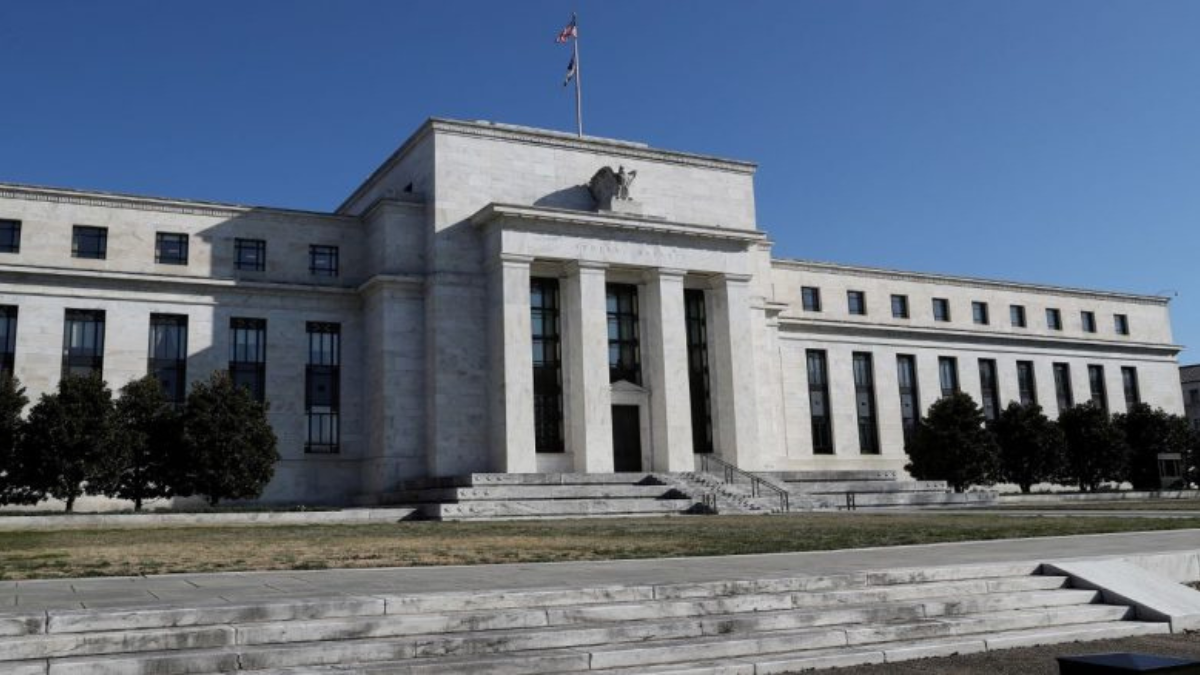
United States | September 19, 2026: The U.S. Federal Reserve has raised its benchmark interest rate for the first time since 2023, adding another layer of pressure to a real estate market already dealing with elevated borrowing costs. The move could make property acquisitions, refinancing and development financing more expensive as Treasury yields remain high.
The Federal Open Market Committee raised the federal funds target range by 25 basis points to 3.75%-4%, with the decision aimed at addressing inflation that remains above the Fed's 2% target.
Why the Fed Raised Rates Again
The rate increase comes after inflation remained elevated.
The August Consumer Price Index showed annual inflation at 3.4%, well above the Federal Reserve's long-term 2% target. The latest rate decision marked the end of five consecutive meetings in which the Fed had kept its benchmark rate unchanged.
The central bank said the move was intended to support a return of inflation toward its 2% objective.
Real Estate Borrowing Costs Were Already Rising
The Fed's decision comes at a time when long-term borrowing costs are already under pressure.
The yield on the 10-year U.S. Treasury bond recently moved above 5%, a key development for commercial real estate because Treasury yields influence the pricing of many types of property debt.
That means property investors are facing higher financing costs from both the broader bond market and the latest shift in short-term monetary policy.
Why Property Deals Could Become More Difficult
Higher borrowing costs can change the financial calculations behind real estate transactions.
For investors and developers, more expensive debt can mean:
- Higher monthly debt-service costs
- Lower potential returns
- More difficult acquisition financing
- Greater refinancing pressure
- Reduced room for new development projects
Industry executives quoted by Bisnow said the higher-cost environment could weigh on transaction volumes and make some marginal development projects harder to justify.
Multifamily Properties Face Additional Refinancing Pressure
The rate environment is particularly important for owners who financed properties when borrowing costs were much lower.
A separate Bisnow analysis found that 17% of the $5 trillion in outstanding commercial mortgages, or about $875 billion, are scheduled to mature in 2026. About 13% of commercial mortgages are backed by multifamily properties.
Owners refinancing those loans may therefore face substantially different financing conditions from when the original debt was arranged.
Could Property Values and Cap Rates Be Affected
Higher interest rates can also affect how investors value income-producing properties.
When financing becomes more expensive, buyers may become more cautious about what they are willing to pay. Industry observers cited by Bisnow said the latest rate increase could contribute to higher capitalization rates, although the effect is not expected to be uniform across every market or property type.
The impact will depend on factors such as property income, local demand, available financing and the duration of the higher-rate environment.
What This Means for Developers and Investors
Developers may face greater difficulty making projects financially viable when construction costs and financing costs are both elevated.
For investors, the key issue is increasingly the cost of capital rather than simply the availability of capital.
Projects with strong cash flow and conservative leverage may have more room to absorb higher financing costs, while highly leveraged acquisitions or marginal developments could require revised underwriting.
What Happens Next
The immediate focus will shift to how inflation, Treasury yields and future Federal Reserve decisions affect borrowing costs.
The Fed's latest move does not automatically translate into an equivalent increase in every commercial or residential loan rate. However, continued pressure on Treasury yields can keep real estate financing expensive even beyond the direct effect of the benchmark-rate increase.
For U.S. property investors, developers and borrowers, the latest decision reinforces the need to reassess financing assumptions, refinancing timelines and transaction economics in an environment where cheaper debt has not yet returned.