
China Home Prices Fall Again as Property Market Struggles to Find a Recovery
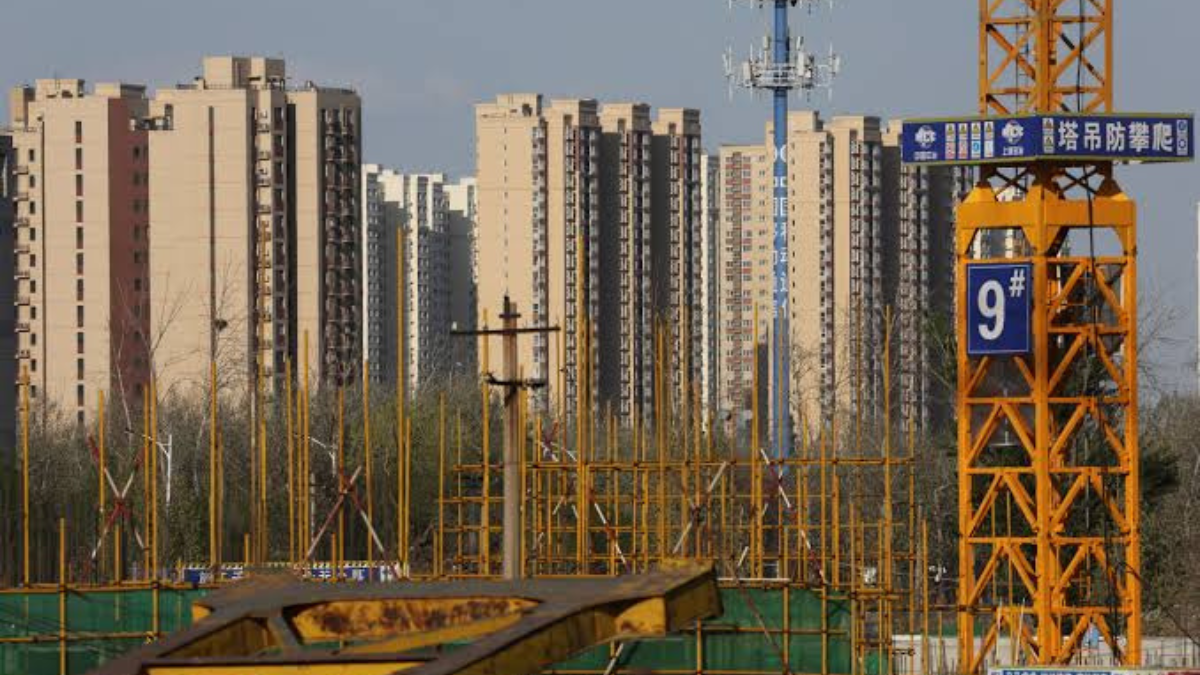
Beijing, China | Publication Date: October 19, 2026: China’s housing market remains under pressure as new home prices fell again in September, extending a prolonged downturn that has now lasted for more than three years. The latest decline shows that government support measures have yet to generate a broad-based recovery in housing demand.
New home prices fell 0.1% month on month in September, matching the decline recorded in August. On an annual basis, prices were down 2.8%, although the pace of decline improved slightly from the 3.0% drop recorded in August.
China’s Housing Downturn Shows No Clear End Yet
The latest figures underline the depth of the property market slowdown.
New home prices have continued to decline on both monthly and annual comparisons, with the annual fall extending back to June 2023. The prolonged weakness has become a major challenge for China's economy because housing plays a significant role in household wealth, consumer confidence and local government finances.
For property owners, falling prices can reduce household wealth and make homeowners more cautious about spending.
Major Cities Show Early Signs of Stabilisation
The picture is not equally weak across China's housing markets.
Some of the country's largest cities have shown signs of stabilisation in both new and existing-home prices. Policy changes in Shanghai, including further easing of homebuying restrictions and incentives announced earlier, have helped support demand.
This suggests that stronger markets may respond more quickly when restrictions are relaxed and buyers receive additional financial support.
Smaller Cities Continue to Face Greater Pressure
Smaller cities remain the biggest challenge for China's housing recovery.
Prices for both new and resale homes continued to decline month on month and year on year in these markets. Weaker population growth, slower demand and large housing inventories continue to create pressure on developers and property owners.
The uneven performance also means that China's housing market cannot be treated as a single market. Conditions are increasingly different between major metropolitan areas and smaller cities.
Mortgage Support Targets Lower-Cost Homes
Authorities are also trying to support housing demand outside the biggest cities.
The central bank and financial regulator introduced measures in late September to subsidise mortgage interest payments for eligible homebuyers. The programme applies to qualifying homes priced up to 1.5 million yuan, a threshold designed primarily to support buyers in lower-priced markets.
The policy could reduce borrowing costs for eligible households, but its impact may remain limited in China's most expensive cities, where the price ceiling is relatively low compared with typical property values.
Weak Property Market Is Hurting Consumer Confidence
The housing slowdown is having consequences beyond developers and homebuyers.
When homeowners see the value of their properties decline, they may become more cautious about spending and increase their savings. This can weaken domestic consumption at a time when policymakers are trying to strengthen household demand.
The property downturn is therefore closely connected to China's broader economic recovery.
Property Investment and Sales Remain Under Pressure
The weakness is also visible in activity levels.
Separate figures showed that property investment and home sales both contracted at a faster pace during the first nine months of 2026. This indicates that the improvement in some major cities has not yet translated into a nationwide recovery in construction activity or buyer demand.
For developers, prolonged weak sales can put additional pressure on cash flow and project completion. For buyers, however, continued price weakness could create opportunities to negotiate in markets where inventories remain high.
What Happens Next for China’s Housing Market
The next phase of China's property recovery will likely depend on whether policy support can generate sustained demand rather than temporary improvements in selected major cities.
Investors and homebuyers will be watching price trends, housing sales, property investment and further government measures closely. A sustained stabilisation in major cities could provide an early indication that the downturn is beginning to ease, while continued declines in smaller markets would show that the recovery remains uneven.
For China's property market, the key question is no longer whether policymakers will provide support, but whether that support can finally convince households to start buying homes again.