
Australia Housing Market Slumps Further as Home Prices Fall for Fifth Straight Month
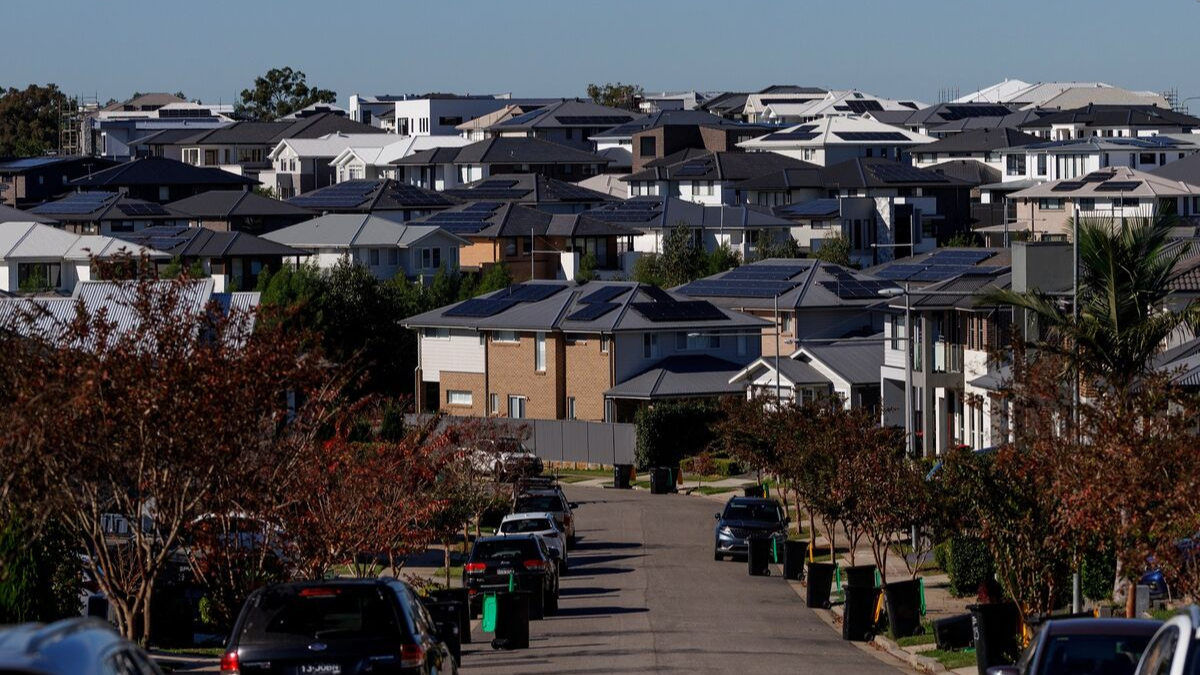
Australia: Australia’s housing downturn deepened in August as national home prices declined for the fifth consecutive month, reflecting the impact of high interest rates, weaker buyer confidence and slowing property transactions.
According to data from property consultant Cotality, national home prices fell 0.9% in August, following a sharper 1.2% decline in July. Sydney and Melbourne remained the weakest major markets, with both cities now around 7% below their previous price peaks.
Sydney and Melbourne Lead the Housing Decline
Sydney recorded a 1.4% monthly fall in home prices in August, while Melbourne prices dropped 1.1%. Prices in both markets are now approximately 7% below their respective peaks.
Other major cities also moved lower. Brisbane prices declined 1%, while Perth recorded a 0.8% fall during the month. The widespread decline suggests that weakness is no longer limited to Australia's two largest property markets.
High Interest Rates Continue to Pressure Buyers
Australia’s housing market remains under pressure as borrowing costs stay elevated. The Reserve Bank of Australia has already raised its cash rate three times this year to 4.35%, limiting affordability for households relying on mortgages.
Expectations of another rate increase have strengthened following higher-than-expected inflation in July. Economists are therefore not expecting an immediate recovery in housing demand.
Higher borrowing costs can reduce the amount buyers are able to borrow, while also increasing monthly mortgage repayments. This can force buyers to delay purchases or search for lower-priced properties.
Property Sales and Buyer Demand Are Weakening
The decline in prices is being accompanied by weaker transaction activity. Cotality data showed that property sales during the three months to August were 15.5% lower than a year earlier.
Homes are also taking longer to sell, while vendors are offering larger discounts to attract buyers. Persistently low auction clearance rates are another indication that buyers currently have greater negotiating power.
However, cautious buyers are still holding back, suggesting that affordability and economic uncertainty remain major concerns.
Economists Warn of a Potential 10% Price Correction
Economists are becoming increasingly cautious about Australia's housing outlook. AMP chief economist Shane Oliver expects the downturn could eventually result in a peak-to-trough decline of around 10%.
UBS has also warned of a possible decline close to 10%, which would make the current correction one of Australia's more significant housing downturns.
The timing of a potential recovery remains uncertain, with some economists expecting the market to stabilise only later next year if interest-rate pressures ease.
Housing Weakness Could Affect the Wider Economy
The housing slowdown is important beyond property prices because Australia's real estate market is closely connected with construction, trades and property-related services.
Slower transactions can reduce demand for brokers, agents, conveyancing services, renovations and other property-linked businesses. Housing credit growth has also started to slow, adding another concern for the wider market.
For homeowners, falling prices could weigh on household wealth, while prospective buyers may gain greater bargaining power if the downturn continues.
What Australia's Housing Downturn Means for Buyers and Investors
The current market is creating a different environment for Australian property buyers and investors. Sellers may become more willing to negotiate as properties remain on the market longer, while buyers could have more opportunities to negotiate prices.
However, continued interest-rate uncertainty means investors and homebuyers still need to consider borrowing costs carefully rather than relying only on lower property prices.
If the expected 10% peak-to-trough correction materialises, Australia’s housing market could face a prolonged adjustment before a sustained recovery begins.