
Delhi Homeowners Can Get Free 3 kW Rooftop Solar Under New Policy
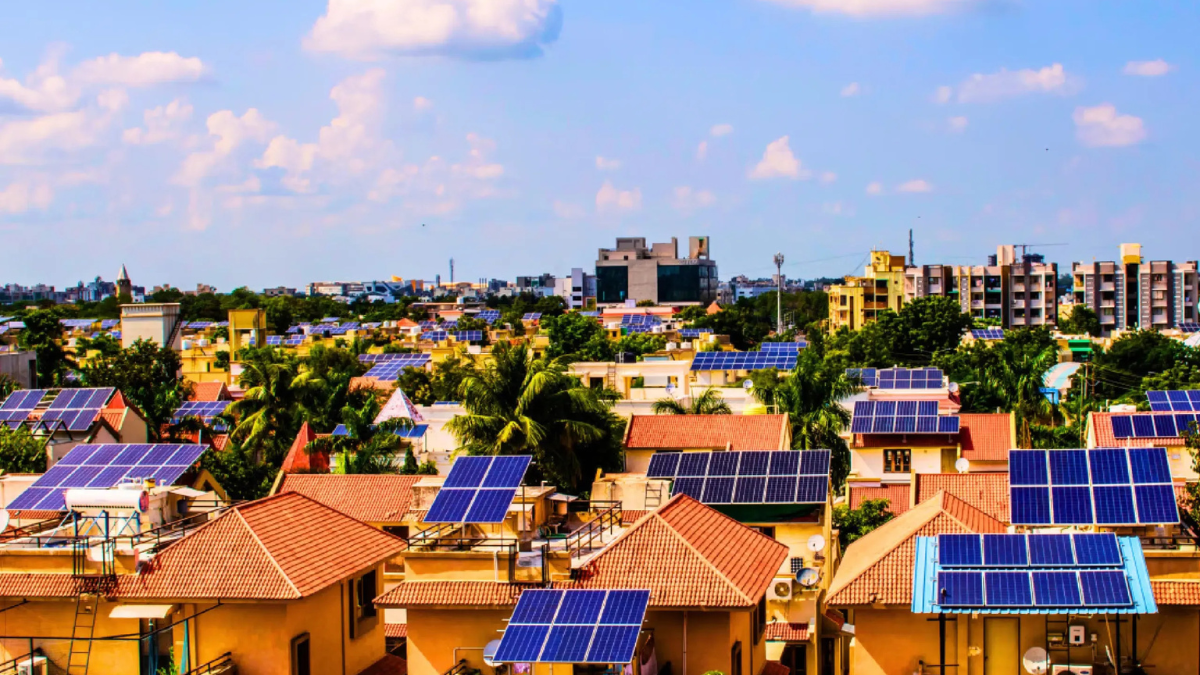
New Delhi, September 2, 2026: Delhi homeowners could soon reduce their electricity expenses without paying the upfront cost of installing a rooftop solar system. The Delhi government has approved a revised solar policy under which around 2.30 lakh eligible households can receive rooftop solar systems of up to 3 kW at zero upfront cost.
The scheme is aimed at households consuming up to 400 units of electricity per month, with the government targeting completion of the rollout by March 2027.
2.30 Lakh Households to Get Rooftop Solar
Under the revised Delhi Solar Policy, eligible domestic consumers will receive rooftop solar systems subject to technical feasibility.
The government plans to add around 500 MW of rooftop solar capacity through installations across approximately 2.30 lakh homes. The initiative is designed to make rooftop solar more accessible to households that previously avoided installation because of the initial cost.
For homeowners, the move could provide an opportunity to reduce long-term electricity expenses while making greater use of their available rooftop space.
Government Subsidy Removes Upfront Cost
The Delhi government will provide a capital subsidy of ₹78,000, matching the ₹78,000 subsidy provided by the Central government. The state will also provide an additional top-up to cover the difference between the available subsidy and the tendered cost of the solar system.
As a result, eligible consumers will not have to make an upfront payment for installation under the scheme.
The existing electricity subsidy provided by the Delhi government will also continue, subject to the applicable eligibility conditions.
Homeowners Can Save and Earn From Surplus Power
A 3 kW rooftop solar system can generate around 300 units of electricity, depending on conditions.
Households consuming less electricity than their solar generation can send surplus power back to the grid. Under the revised policy, eligible consumers can receive payment for exported electricity based on the average power purchase cost of the concerned distribution company.
This means eligible homeowners could potentially benefit through both lower electricity bills and earnings from surplus generation.
Free Maintenance for Five Years
The financial benefit does not end with installation. Solar systems installed under the government programme will be operated and maintained free of cost by the selected vendors for five years.
After this period, homeowners can choose maintenance and insurance facilities through electricity distribution companies according to their requirements.
The policy also aims to make residential solar connections faster. The net metering process, which enables consumers to receive credit for surplus electricity supplied to the grid, has been reduced from around 75 days to 25 days.
Application and registration fees for residential rooftop solar systems of up to 10 kW have also been waived.
What This Means for Delhi Property Owners
For homeowners, rooftop solar can reduce the recurring cost of running a property while making residential buildings more energy-efficient.
The revised policy could be particularly useful for households with suitable rooftop space and regular electricity consumption. Lower operating costs can also make energy-efficient homes more attractive to future buyers and tenants.
The programme will be implemented through a utility-led aggregation model, with Indraprastha Power Generation Company Limited (IPGCL) selecting vendors through competitive bidding. IPGCL will also coordinate installation, vendor support and grievance redressal.
With the government targeting 2.30 lakh rooftop installations by March 2027, the policy could significantly expand the use of rooftop solar across Delhi's residential property market.