
Why Electricity Meter Details Are Becoming an Important Part of Property Verification in India
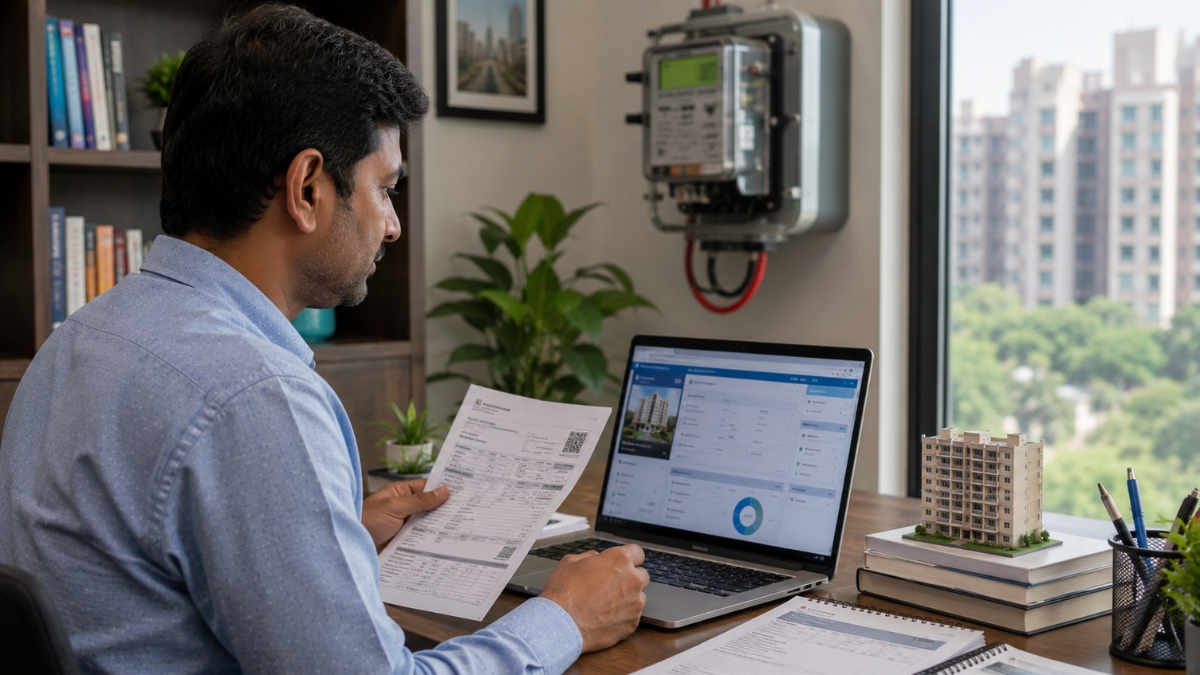
New Delhi, June 29, 2026: Buying or owning a property today involves much more than keeping ownership documents safe. Government departments across India are increasingly using digital records to verify property details, making utility information such as electricity connections more relevant during property-related services.
In several cities, municipal authorities are gradually integrating property databases with utility records to improve verification, reduce incorrect declarations and strengthen digital governance.
While the exact process varies from one state or municipal body to another, property owners should be aware that electricity connection details may become one of the supporting records used during property verification.
Why are electricity records becoming more useful?
An electricity connection often provides updated information about a property's occupancy and usage.
For example, utility records may help authorities verify:
- Whether the property is occupied.
- Whether the property is being used for residential or commercial purposes.
- Whether ownership details match available government records.
- Whether municipal records require updating.
These records do not establish legal ownership, but they can support administrative verification in certain situations.
How can this help reduce incorrect property declarations?
Municipal bodies rely on self-declared information for many civic services. In some cases, incorrect property usage or outdated records may affect tax assessments.
By comparing municipal records with utility databases, authorities may be able to identify inconsistencies that require further verification.
Such cross-checking can improve the accuracy of public records without replacing legal ownership documents.
Can electricity records replace ownership documents?
No.
A registered Sale Deed, title documents, mutation records and other legally recognised property documents continue to determine ownership rights.
Electricity bills and consumer details generally serve as supporting records and should not be considered proof of ownership.
When should property owners update their electricity records?
Experts recommend updating electricity records whenever:
- Ownership changes after purchase.
- A legal name correction is made.
- Property usage changes from residential to commercial, where permitted.
- Contact information linked to the connection changes.
Keeping utility records updated may help reduce administrative delays in future applications.
What documents should every property owner keep together?
To make future property-related work easier, homeowners should maintain:
- Registered Sale Deed.
- Latest Property Tax Receipt.
- Mutation Record.
- Encumbrance Certificate, wherever applicable.
- Approved Building Plan.
- Occupancy Certificate, if applicable.
- Latest Electricity Bill.
- Water Connection Details.
Keeping these records organised can simplify future verification, loan applications and property transactions.
Is India moving towards integrated digital property records?
Many government departments are gradually adopting digital platforms to improve property administration. Integration between municipal records, utility services and land databases is expanding in several regions to make public services faster and reduce manual verification.
The pace and implementation differ across states, but the broader shift towards digital property management continues.
Grihik Takeaway
Electricity consumer details are not a replacement for legal ownership documents, but they are becoming increasingly relevant in property administration. Maintaining accurate and updated utility records alongside property documents can help homeowners avoid unnecessary delays when dealing with municipal or utility-related services.