
The Zaildars of Madanpur Khadar in Delhi
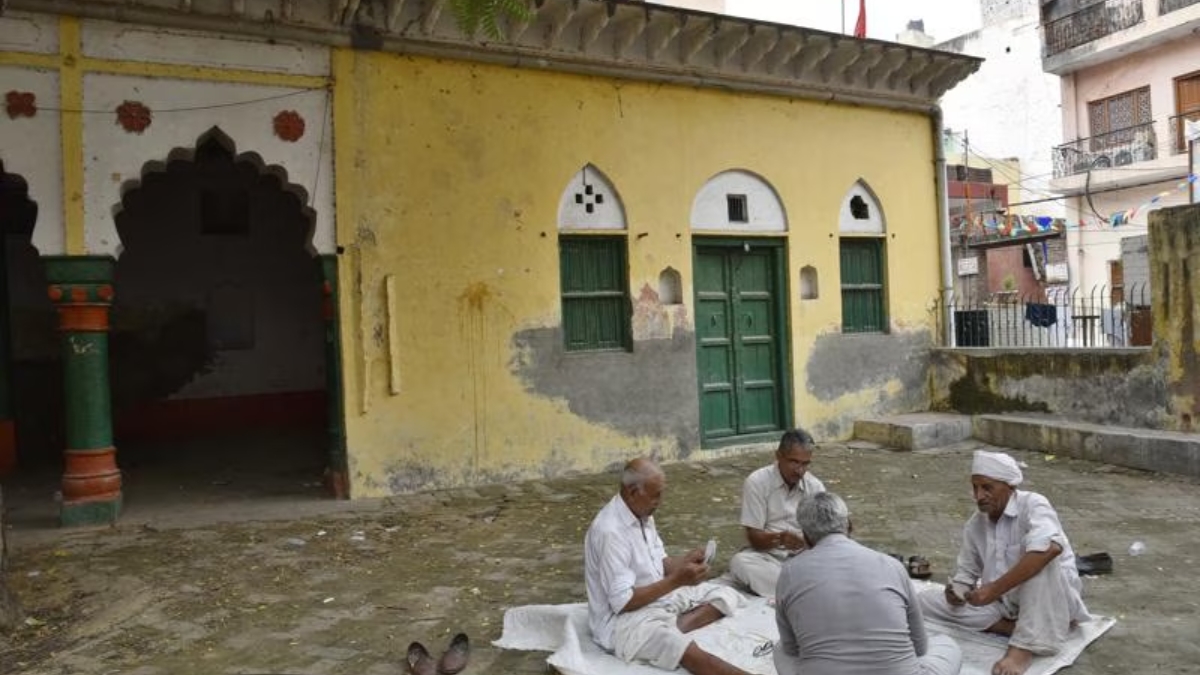
Delhi, May 18: Madanpur Khadar, a historical village near Delhi, reflects colonial influence with its Zaildar system, blending past and present in a changing urban landscape. Khadar translates to the fertile new alluvial belt by the river below the flood line.
The Zaildar System
When the British began making administrative strides in Delhi around the 1850s, they appointed a Zaildar from Madanpur Khadar based on caste, local influence, landholding, and personal ability. The position was created to settle local issues at the village level. The Zaildars, like Chaudharis of the village, took on this hereditary position to become the administration's revenue officers, extending colonial influence into the villages. The first Zaildar controlled a large tract of land from the Yamuna to Mehrauli, comprising over 28 villages.
The Chaupal and Haveli
Tirkha Ram Zaildar centralised the village by establishing a chaupal where elders gathered. It became the centre for controlling trade routed through the Yamuna. The chaupal features clear colonial and pre-colonial north Indian architectural iconography, with doric pillars framing the verandah of the single-storey structure. The Zaildar family settled in an over-200-year-old multi-storey haveli behind the chaupal, built in concrete and sandstone. All ten rooms are now occupied by families who cherish living in a historic place.
Legacy of Dissent
The family did not forever remain loyal to British rule; they later turned dissenters. In one protest, the Zaildars blocked a railway line and dumped sugar from a halted train into a nearby well. During the 1947 partition, staff of Jamia Milia Islamia took refuge in the chaupal. This led to the family being elected as members of a corporation from the Okhla constituency for four consecutive terms. The family holds on to the portrait of Tirkha Ram Zaildar as they transition into their future, refusing to fade into history.