
Noida Puts 90 Construction Sites Under Camera Surveillance Ahead of Winter Smog
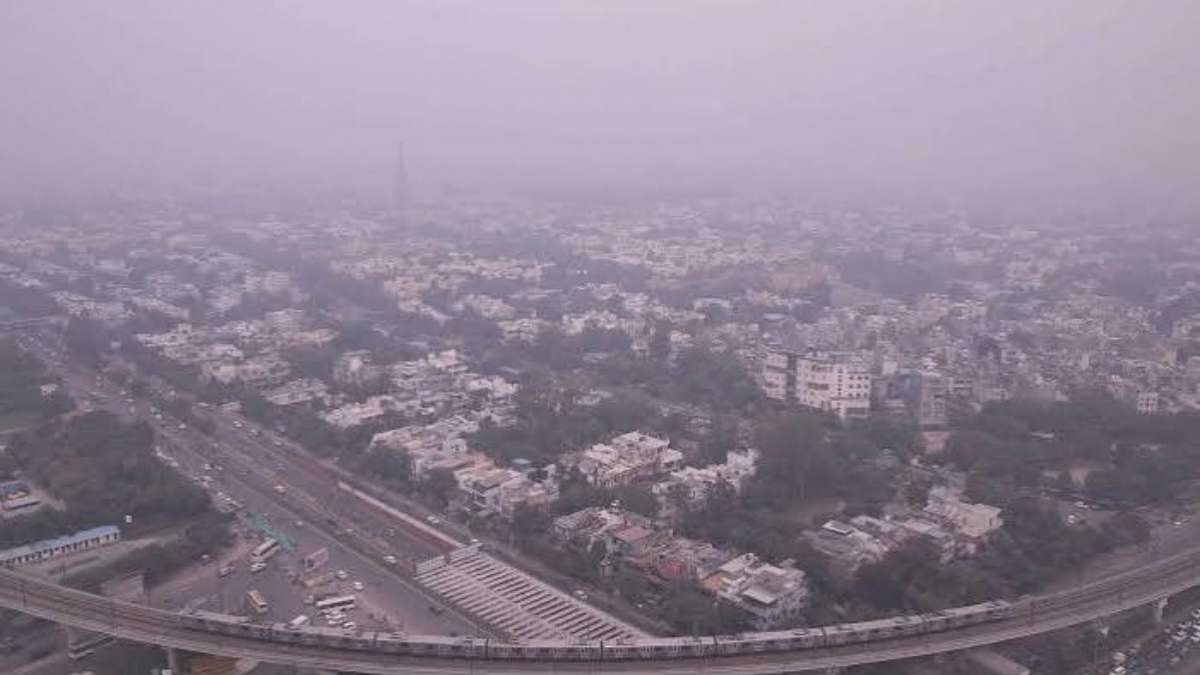
Noida, Uttar Pradesh | October 3, 2026: With winter approaching, construction sites across Noida are coming under closer environmental scrutiny. The Uttar Pradesh Pollution Control Board (UPPCB) has installed surveillance cameras at 90 construction locations to monitor dust-control measures and check compliance with pollution-control guidelines.
The initiative is intended to help authorities identify lapses in dust mitigation, while developers face increased pressure to follow environmental rules. A dedicated control room is also being set up in coordination with the Commission for Air Quality Management (CAQM) in Delhi.
90 Construction Sites Under Surveillance
The UPPCB has installed pan-tilt-zoom (PTZ) cameras at 90 construction sites across Noida. The board plans to expand the surveillance network further.
The cameras will help officials monitor whether developers are implementing measures such as water sprinklers, anti-smog guns and wind-breaking walls. Notices have also been issued to developers reminding them to comply with the National Green Tribunal's dust-control guidelines.
Control Room to Monitor Dust-Control Measures
A dedicated control room is being established in coordination with CAQM to monitor dust-mitigation measures at construction sites.
The surveillance system is expected to give authorities a way to remotely check compliance and identify sites where required measures may be missing or inadequate. The effectiveness of the system will depend on how consistently violations are identified and followed by enforcement action.
What Developers Must Do to Control Dust
Under the applicable guidelines, construction companies are required to take several steps to prevent dust from spreading beyond project boundaries. These include installing green barriers and wind-breaking walls, covering construction materials such as sand, gravel and cement, and ensuring construction waste is properly covered.
Developers must also use water sprinklers to settle dust and provide construction workers with protective equipment, including masks and gloves.
Anti-Smog Gun Requirements Depend on Project Size
CAQM has specified anti-smog gun requirements based on the built-up area of construction projects. Sites measuring 5,000 to 10,000 square metres are required to have at least one anti-smog gun, while projects exceeding 20,000 square metres must install up to four.
These requirements make dust-control planning an important part of construction-site management, particularly for large residential and commercial developments.
How Developers Are Managing Dust at Sites
Some developers have already introduced measures to reduce dust emissions. At a residential project in Sector 76, being completed by J Kumar Infra Projects, site officials said water sprinklers are used to spray the tyres of vehicles leaving the premises.
The project also uses a water tanker to sprinkle the site three to four times a day. An anti-smog gun has been installed near the entrance to help control dust.
Why Noida Homebuyers and Residents Should Care
Construction-related dust can affect people living near active project sites, particularly during periods of poor air quality. For residents in surrounding neighbourhoods, consistent dust-control measures can help reduce the spread of construction dust onto nearby roads and residential areas.
For homebuyers, the surveillance initiative also brings greater attention to how construction sites are managed during project development. However, the installation of cameras alone does not guarantee compliance or improved air quality.
What Happens Next
The UPPCB plans to install cameras at more construction sites and establish the control room with CAQM. The next stage will be to see how effectively the system identifies non-compliance and whether developers take corrective action when violations are found.
As winter approaches, monitoring and enforcement at construction sites will remain important to Noida's efforts to control dust pollution.