
Maharashtra Housing Societies Seek Major Changes as 5,000 Plus Objections Hit Proposed 2026 Bylaws
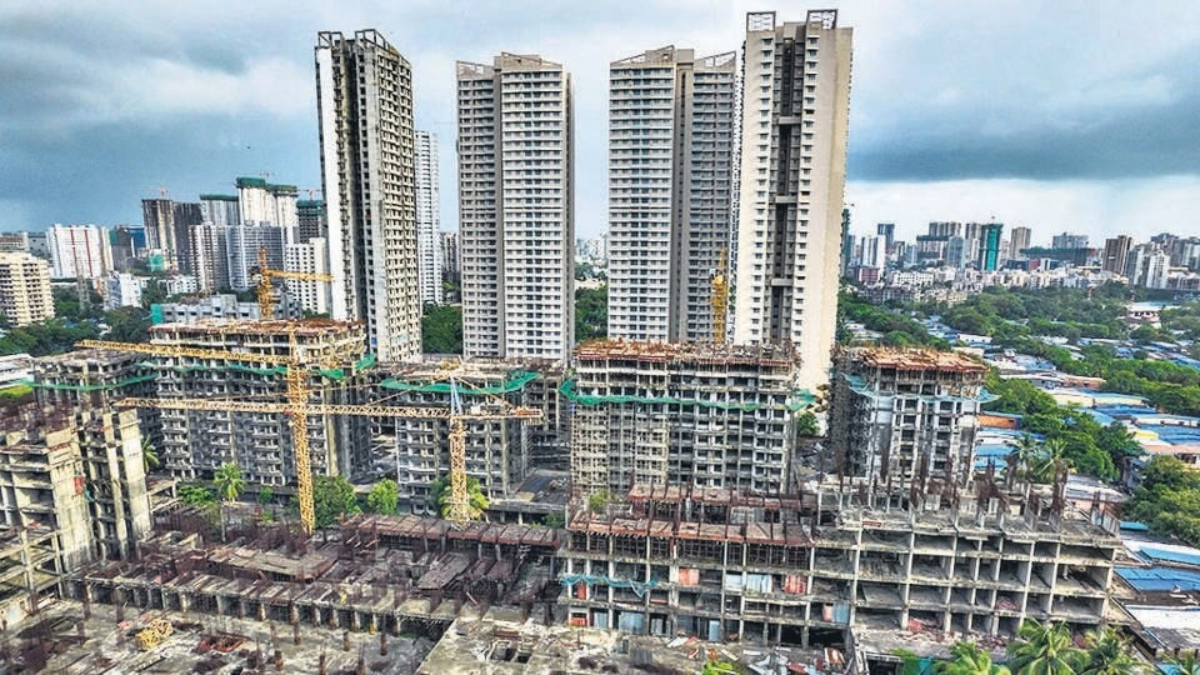
Maharashtra | September 24, 2026: Maharashtra's proposed 2026 model housing society bylaws have triggered more than 5,000 objections and suggestions, putting issues such as parking, redevelopment, society charges and managing committee powers at the centre of the review process.
The state cooperation department has received more than 750 emails from housing societies, residents and other stakeholders. The volume of feedback could influence how cooperative housing societies are governed and how residents deal with property-related decisions once the final bylaws are notified.
What Changed With the Proposed Bylaws
The cooperation department is reviewing representations received on 192 draft model bylaws.
The suggestions cover several aspects of day-to-day housing society administration, including:
- Parking rights and allocation
- Society charges and contributions
- Redevelopment procedures
- Voting and electoral rights
- Managing committee powers
- Leave and licence arrangements
- Electronic or online elections
- Administrator and authorised officer responsibilities
Officials said the representations are being examined before the committee appointed for the exercise finalises the provisions.
Parking Rules Become a Major Flashpoint
Parking has emerged as one of the key areas of concern for housing society members.
Federations have sought clearer provisions consistent with the MOFA, RERA and the legal framework governing common areas and parking spaces.
For apartment owners, clearer parking provisions could matter directly because disputes over parking allocation, use and society-level charges can affect the practical use and value of residential property.
The final framework will therefore be important for societies dealing with existing parking arrangements as well as redevelopment and new housing projects.
Redevelopment Rules Could Affect Existing Flat Owners
Housing societies have also sought greater clarity on redevelopment procedures.
Redevelopment decisions involve multiple stakeholders, including individual flat owners, managing committees, developers and society-appointed professionals.
Clearer rules could help define how decisions are taken and what rights different categories of members have during the process.
For owners in ageing cooperative housing societies, the redevelopment provisions will be particularly important because society-level decisions can directly affect their existing homes, temporary accommodation arrangements and eventual redevelopment benefits.
Society Charges and Committee Powers Under Review
Residents and federation representatives have raised concerns about various charges and contributions collected by housing societies.
Issues mentioned include:
- Contributions to different society funds
- Service charges
- Water inlet charges
- Interest charged to defaulters
- Other society-level payments
At the same time, federations have sought clearer rules governing the powers, duties and accountability of managing committees and administrators.
The objective is to establish a clearer balance between the authority of society bodies and the rights of individual members.
Voting and Digital Elections Also Draw Suggestions
Stakeholders have proposed clearer provisions for voting and electoral rights for different categories of members.
Suggestions also include allowing online or electronic elections, which could change how housing societies conduct committee elections and member participation.
The issue is particularly relevant for large societies where physical participation in meetings and elections can be difficult for all members.
Property Documentation Rules Could Also Change
Several suggestions concern documentation and ownership records within cooperative housing societies.
Stakeholders have asked for simpler procedures for:
- Issuing duplicate share certificates
- Recording names changed through the official Gazette
- Clarifying provisions relating to probate of wills
- Correcting drafting and cross-referencing errors
Such provisions can matter when apartments are transferred, inherited or updated in society records.
What Housing Society Members Should Watch
The large number of representations means the final 2026 bylaws could differ from the current draft provisions.
Apartment owners and housing societies should particularly monitor changes relating to:
- Parking rights
- Redevelopment approvals
- Society billing and charges
- Managing committee authority
- Voting rights
- Electronic elections
- Share certificate procedures
- Administrator powers
Until the final framework is issued, societies should not assume that proposed provisions are already applicable as final rules.
What Happens Next
The cooperation department is currently reviewing the more than 5,000 objections and suggestions before sending the proposals through the committee appointed for finalisation.
Committee sources indicated that the process could take around one month, although the large volume of representations means the review may require additional time.
For Maharashtra's housing society members, the final version of the 2026 model bylaws will determine how several everyday property-management issues are handled, making the committee's response to the objections important for both individual flat owners and cooperative housing societies.