
Gurugram Property Buyers Can Transfer Fully Paid Units Despite Delayed Registry, Rules Haryana RERA
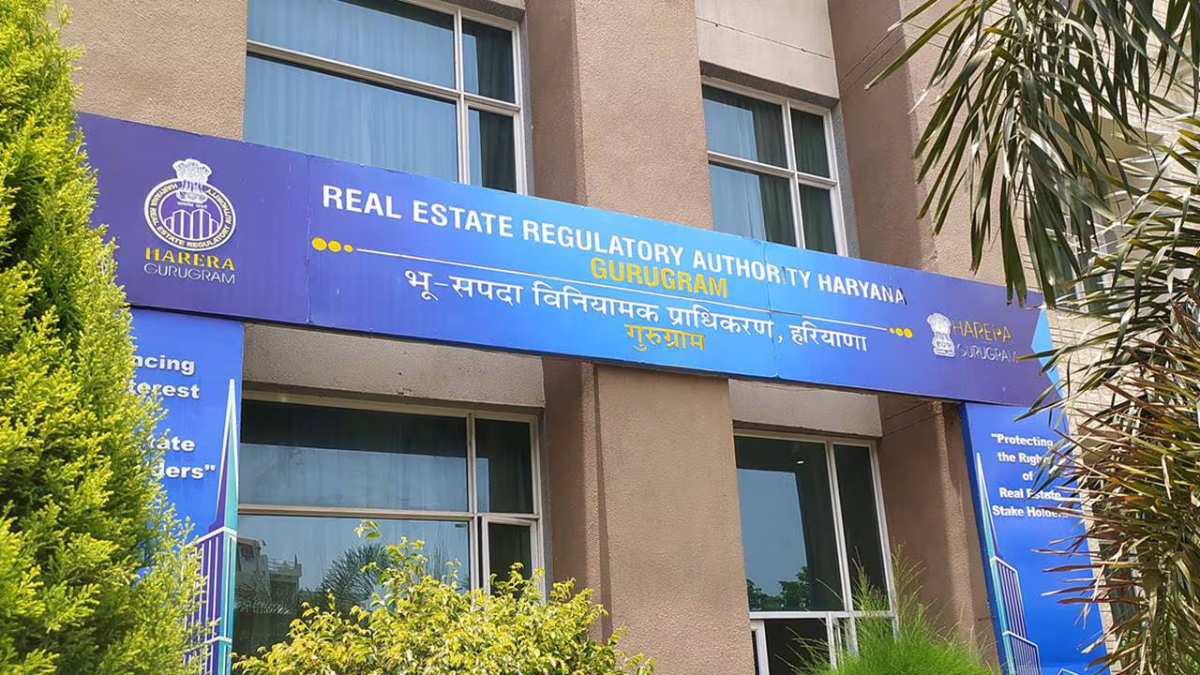
Gurugram | September 29, 2026: A delay in property registration should not leave a fully paid buyer unable to sell or transfer their property. In a September 10 order, the Haryana Real Estate Regulatory Authority (HRERA) reaffirmed this principle while ruling in favour of a buyer whose attempt to transfer a commercial shop in Gurugram was held up by the developer’s delay in executing the conveyance deed.
The authority directed the promoter, Apex Build-well, to pay 11% annual interest on more than ₹27 lakh, along with compensation for mental harassment and litigation expenses. The ruling highlights the rights of buyers who have completed their payments but are still waiting for developers to complete conveyance formalities.
Haryana RERA Upholds a Fully Paid Owner’s Right to Transfer Property
The case was filed by Sukhvir over a commercial shop in a project developed by Apex Build-well in Sector 37C, Gurugram. The buyer had paid the full consideration of ₹27 lakh and taken physical possession of the shop.
HRERA observed that the right to alienate property—including the ability to sell, transfer, gift or assign it—is an essential right of an owner. It held that a promoter’s delay in executing a conveyance deed cannot, by itself, leave a fully paid buyer without a remedy to transfer the property.
How the Delayed Conveyance Deed Affected the Buyer
The developer obtained the occupation certificate for the project on February 24, 2020. Under Section 17(1) of the Real Estate (Regulation and Development) Act, 2016, the conveyance deed was required to be executed within three months.
However, Sukhvir’s conveyance deed was executed only on January 5, 2023. During this period, he sought to transfer the shop to prospective buyers Shiv Kumar and Priyanka Sharma. They had completed the required formalities and submitted the necessary documents and undertakings, but the promoter did not execute the deed in their favour.
HRERA found that the delay had effectively deprived Sukhvir of the opportunity to complete the proposed transaction when he needed funds.
Developer Ordered to Pay Interest and Compensation
The adjudicating officer, Rajender Kumar, directed Apex Build-well to pay 11% annual interest on ₹27,05,344 for the period from May 24, 2020, to January 5, 2023.
The promoter was also ordered to pay:
- ₹1 lakh for mental harassment and agony
- ₹50,000 towards litigation expenses
The order links the developer’s delayed conveyance process to the buyer’s inability to proceed with the proposed transfer during the relevant period.
What the Ruling Means for Property Owners
The decision offers clarity for buyers who have paid the entire sale consideration but are waiting for the promoter to execute the conveyance deed. It reinforces the principle that a developer should not be able to use its own delay in completing documentation to arbitrarily obstruct a buyer’s proposed transfer.
For owners in similar situations, the order may provide an important legal basis to challenge unreasonable restrictions. However, the ruling does not remove the need to complete registration and other legally required documentation for a property transaction.
What Buyers Should Check Before Transferring a Property
Buyers planning to resell or transfer a unit should keep records of full payment, possession documents, correspondence with the promoter and all transfer-related submissions.
They should also verify the applicable transfer procedure, outstanding dues and documentation requirements. If a developer delays the conveyance deed or refuses to facilitate a transfer, buyers may consider seeking legal advice on the remedies available under the RERA framework.
The ruling is specific to the facts of Sukhvir’s case; buyers should not assume that every transfer can proceed without the documentation required by law.
Why the Order Matters for Gurugram’s Property Market
The decision draws a distinction between a promoter’s obligation to execute a conveyance deed and a fully paid buyer’s ability to deal with the property. For owners waiting for documentation, that distinction can matter when they need to sell, transfer or otherwise manage their investment.
The order also underlines the importance of timely conveyance for developers. Delays can create uncertainty for buyers and may lead to disputes and financial liability.
For property owners facing similar circumstances, the key takeaway is that a developer’s delay does not automatically extinguish the buyer’s right to seek a transfer. The precise remedy, however, will depend on the facts and applicable legal requirements.