
Guntur Land Dispute Ends After 120 Years as 812 Families Get Permanent Property Titles
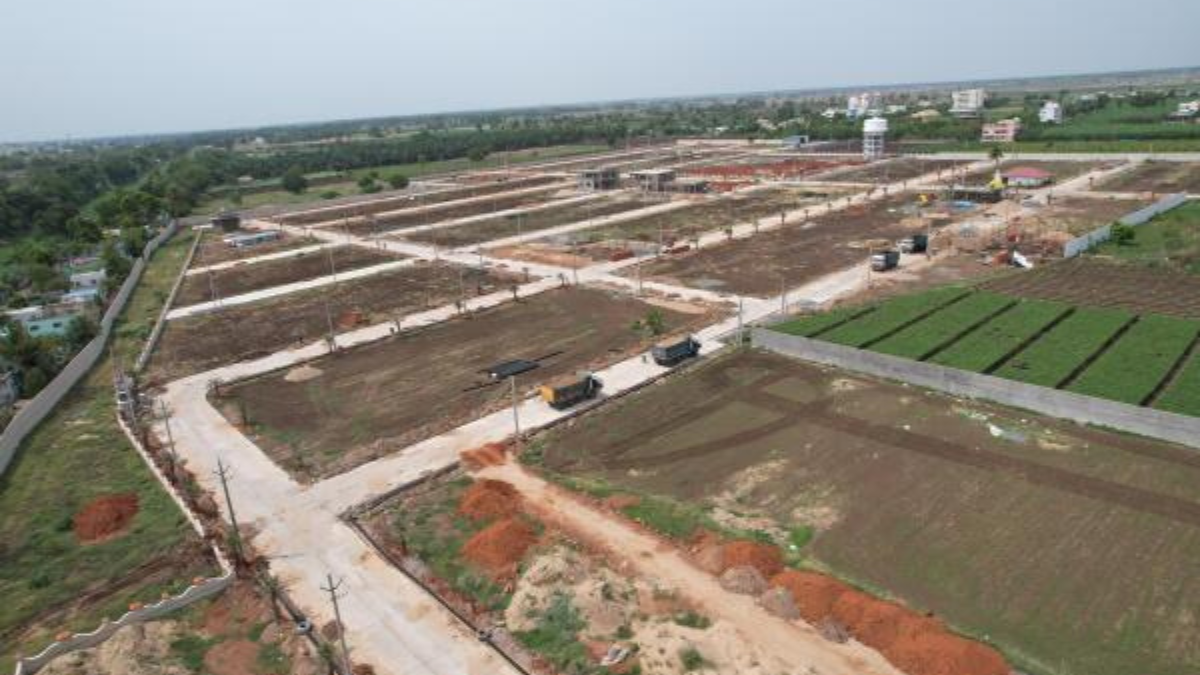
Guntur, Andhra Pradesh: A 120-year-old land ownership dispute in Guntur district has finally been resolved, giving permanent land titles to 812 families across three villages.
The Andhra Pradesh government has clarified ownership rights over 41.46 acres that had remained entangled in revenue records and disputed classifications for decades. The move is expected to provide greater legal security to families who have been living on the land for generations.
812 Families Receive Permanent Ownership Rights
The beneficiaries are from Vatticherukuru, Pulladigunta and Etukuru villages in the Prathipadu constituency.
Of the total beneficiaries, 515 families are from Vatticherukuru, 206 from Pulladigunta and 91 from Etukuru. Authorities said the families had been residing on the land for generations and paying applicable taxes but did not have clear ownership rights.
The government’s decision is expected to provide these families with stronger documentation and greater certainty over their property.
41.46 Acres Freed From Long-Standing Record Issues
The disputed land was classified differently in government records across the three villages.
In Vatticherukuru, 25.37 acres had been recorded as a tank. In Pulladigunta, 10.16 acres were classified as government land under the category of grove or thopu poramboke. Another 5.93 acres in Etukuru were listed under Section 22(A)(c), which restricted property transactions.
Following a review of historical documents and a fresh survey, authorities corrected the relevant records and removed the affected land from the prohibited 22(A) category where applicable.
Dispute Records Go Back More Than a Century
The land records in the affected areas date back several decades.
In Vatticherukuru, officials found that no land transactions had been recorded since 1906, while the Pulladigunta land had remained under a disputed classification since 1922.
A district collector’s report also established that houses and basic infrastructure had existed on the Pulladigunta land for many years, supporting the case for resolving the long-standing ownership issue.
Re-Survey and Digitisation to Improve Land Records
The government plans to strengthen the newly clarified land records through a wider re-survey and digitisation exercise.
Revenue Minister Anagani Satya Prasad said QR-coded pattadar passbooks would be issued after the accuracy of re-survey data is confirmed. Digitisation is aimed at reducing discrepancies and making land ownership records easier to verify.
For property owners, accurate digital records can be particularly important during inheritance, sale, mortgage and other property transactions.
Government Targets Major 22(A) Land Record Cleanup
The state government has said it is working to remove around 1.60 lakh acres from the 22(A) list, which contains properties where transactions are restricted under applicable provisions.
The government has also announced measures affecting property-related transactions, including reducing NALA charges to 4% and bringing stamp duty on inherited property down to ₹100, according to the details shared by officials.
Around 67 lakh pattadar passbooks are expected to be distributed between July 2026 and July 2027 after the completion of re-survey and digitisation work.
Why This Matters for Property Owners
The Guntur development highlights how incorrect or outdated revenue classifications can affect property ownership for generations.
For the 812 beneficiary families, permanent titles can improve their ability to establish ownership and potentially use their property for lawful transactions and other purposes, subject to applicable regulations.
The wider digitisation exercise could also benefit landowners by creating more transparent and accessible ownership records, potentially reducing disputes caused by missing, outdated or conflicting revenue entries.
The resolution of the Guntur dispute could now serve as a model for addressing similar long-pending land record issues in other parts of Andhra Pradesh.