
Barapullah Phase III Opens Today as Mayur Vihar and Noida Property Markets Look for a Connectivity Boost
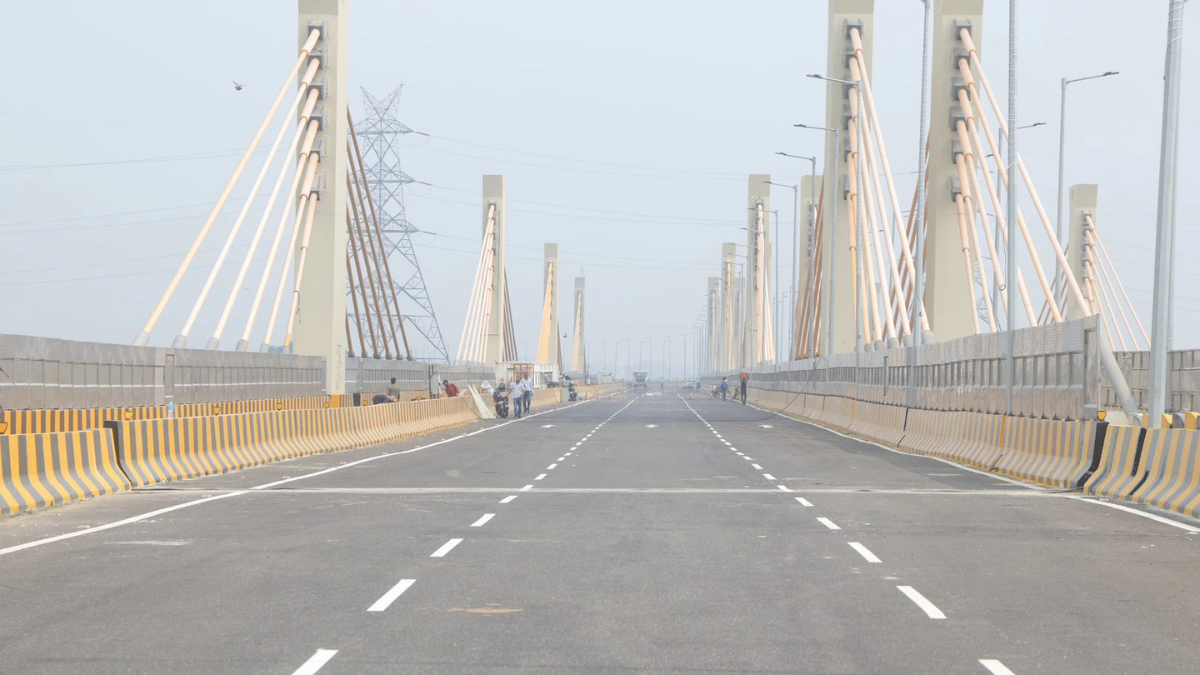
New Delhi | September 29, 2026: Mayur Vihar is set to gain faster road access to South Delhi as the long-delayed Barapullah Phase III corridor opens today. The new connection could strengthen the locality’s appeal among homebuyers and tenants, while selected Noida sectors may also benefit from easier access to Delhi’s employment hubs.
The 3.5-km elevated corridor connects Mayur Vihar Phase I with Sarai Kale Khan and joins the existing Barapullah network towards AIIMS. Officials estimate that the journey between East Delhi and AIIMS could fall from around 35–40 minutes to approximately 15 minutes, depending on the starting point and traffic conditions.
For the property market, the key question is whether the improved connectivity will translate into sustained housing demand and higher property values.
Mayur Vihar Could See the Most Immediate Property Impact
Mayur Vihar already has established residential infrastructure, including schools, markets and Metro connectivity. Its access to South Delhi through the DND and its links to Noida have also made it relevant for people working across the National Capital Region.
Local property broker L R Sharma of Asia Estates estimates that improved connectivity could support a 5–10% impact on rentals and capital values in Mayur Vihar. He also points to an existing imbalance between demand and available housing.
According to Sharma, average monthly rents for a two-bedroom home are around ₹35,000–₹40,000, while resale housing stock remains limited. The corridor could make the locality more attractive to people working in South and Central Delhi, although the actual impact on prices will depend on market conditions.
Noida’s Delhi-Facing Sectors May Also Benefit
Unlike Mayur Vihar, Noida is likely to experience a more dispersed impact. The corridor does not pass directly through the city, but it could improve access to South Delhi for residents of sectors with convenient routes towards Mayur Vihar.
Real estate experts have identified sectors such as 15A, 16A, 44 and 94, along with nearby Delhi-facing areas, as locations that could benefit from improved connectivity.
Gaurav Gupta of ReraTracker said the corridor’s impact is likely to be more significant for Mayur Vihar than for Noida as a whole. He noted that easier access to South Delhi could add to the appeal of Noida’s existing premium housing market.
However, the benefit for individual projects will depend on their distance from access points and the time required to reach the corridor.
Could Faster Connectivity Push Up Property Prices?
Improved road access can influence homebuying decisions by reducing commuting time and making more employment hubs accessible. But better connectivity does not automatically translate into higher property prices.
In Mayur Vihar, limited resale supply and established social infrastructure may influence buyer demand. In Noida, the impact is likely to vary across sectors and projects.
Some expected benefits may already be reflected in property prices because the corridor has been under development for years. Buyers and investors should therefore compare current prices, rental demand and actual travel convenience rather than relying only on projected appreciation.
Ageing Mayur Vihar Societies Could Gain From Better Connectivity
Much of Mayur Vihar’s residential housing stock is more than two decades old. While the locality has established infrastructure, ageing buildings and limited availability of homes can influence buyer choices.
Experts have also pointed to the potential role of Delhi Master Plan 2047 in enabling redevelopment of older housing societies, subject to applicable planning rules and resident consent.
If redevelopment becomes viable for more societies, the combination of established neighbourhood infrastructure, improved connectivity and newer housing could influence the locality’s long-term property appeal. However, any redevelopment opportunity will depend on the final policy framework and project-level feasibility.
A ₹1,635 Crore Project More Than a Decade in the Making
Barapullah Phase III was approved in 2014, with construction beginning in 2015. It was initially scheduled for completion in 2017 but faced repeated delays linked to land acquisition, environmental clearances, construction challenges around the Yamuna and the Covid-19 pandemic.
The revised project cost rose to approximately ₹1,635 crore from an initial estimate of around ₹1,260 crore.
The new stretch connects with the existing Barapullah corridor at Sarai Kale Khan, creating a combined route of approximately 9 km. The project also includes pedestrian infrastructure and a dedicated cycle track.
What Homebuyers and Investors Should Watch
For buyers considering Mayur Vihar or Noida, the corridor adds another factor to assess when comparing locations. Actual travel times, access routes, Metro connectivity, housing condition and local infrastructure remain important alongside the new road link.
Investors should also examine prevailing property prices and rental yields before assuming that the corridor will deliver immediate appreciation. The opening may improve accessibility, but long-term property-market effects will depend on how residents, businesses and developers respond.
What Happens Next for the Property Markets
With the corridor opening on September 29, its practical impact will become clearer as commuters begin using the route. Changes in travel patterns and demand for homes in connected neighbourhoods will be important indicators to monitor.
Mayur Vihar appears more directly positioned to benefit from the new link, while the effect on Noida is likely to differ by sector and project. For both markets, sustained demand—not connectivity alone—will determine whether the infrastructure upgrade leads to lasting changes in property values and rents.