
Knowledge
Understanding land area units with area unit converter
From getting things out of budget, over paying and neglecting the small margin can throw off price-per-unit calculations, loan eligibility assessments, and stamp duty payments, all of which are typically calculated based on area. To get things easy and according to you, use area unit converter. This tool becomes genuinely useful, rather than just a convenience.
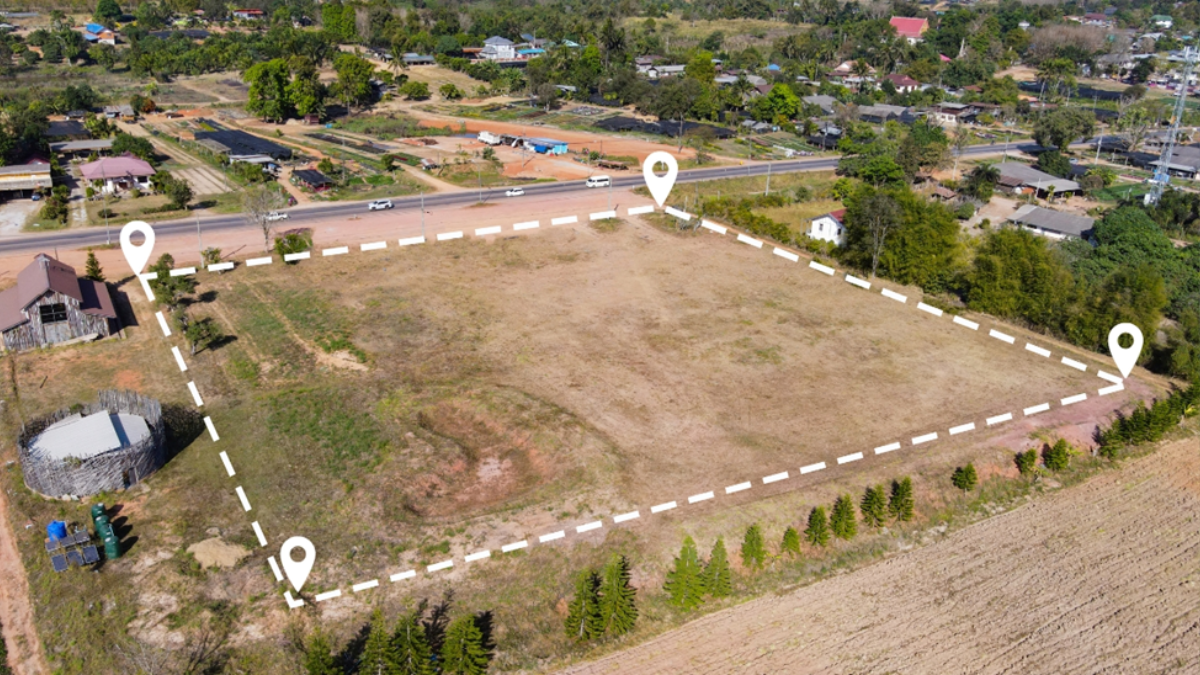
New Delhi, July 13, 2026: If you have ever compared two property listings and found one quoted in square feet and the other in bigha, you already know how confusion Indian real estate can get. Unlike most countries that stick to a single standard measurement, land in India is bought, sold, and registered in a mix of units depending on the region, the type of property and even local convention. A plot might be measured in gaj, a farmhouse in bigha and an apartment square feet, all describing the same basic thing: area.
The most common units you'll run into are square feet (sq ft) and square yards (sq yard), typically used for urban residential and commercial properties. For larger tracts of land, acres and hectares take over, especially in agricultural or semi-rural contexts. Then there are regional units like gaj and bigha, which is one of the trickiest units of all because its size actually changes from state to state - a bigha in Uttar Pradesh is not the same as a bigha in Rajasthan or West Bengal. This regional inconsistency is exactly why area conversion mistakes are so common, and so costly, in property transactions.
The most common units you'll run into are square feet (sq ft) and square yards (sq yard), typically used for urban residential and commercial properties. For larger tracts of land, acres and hectares take over, especially in agricultural or semi-rural contexts. Then there are regional units like gaj and bigha, which is one of the trickiest units of all because its size actually changes from state to state - a bigha in Uttar Pradesh is not the same as a bigha in Rajasthan or West Bengal. This regional inconsistency is exactly why area conversion mistakes are so common, and so costly, in property transactions.
From getting things out of budget, over paying and neglecting the small margin can throw off price-per-unit calculations, loan eligibility assessments, and stamp duty payments, all of which are typically calculated based on area. To get things easy and according to you, use area unit converter. This tool becomes genuinely useful, rather than just a convenience. Instead of memorizing conversion factors or hunting for them online mid-negotiation, you enter the value and unit you have, and get an instant equivalent in square feet or whichever unit you need. This is particularly helpful when browsing listings across different states, verifying a broker's or seller's claimed area, or double-checking figures before they go into a sale agreement or loan application.
It's worth remembering that regional units like bigha and gaj don't have one universal conversion factor — always confirm the specific rate used in the state or region the property is located in before finalizing any calculation, since relying on a generic online conversion for these can occasionally lead to inaccurate figures. For standard units like sq ft, sq yard, acre, and hectare, conversions are fixed and reliable everywhere.
Area conversion might seem like a small step in a property transaction, but it directly affects price comparisons, loan amounts, and legal documentation. Treat a converter as a quick planning and verification tool, and always cross-check the area mentioned in official documents like the sale deed or khasra with what's stated in a listing before signing anything.