
Bought a Property Without Checking These Documents You Could Be Taking a Big Risk
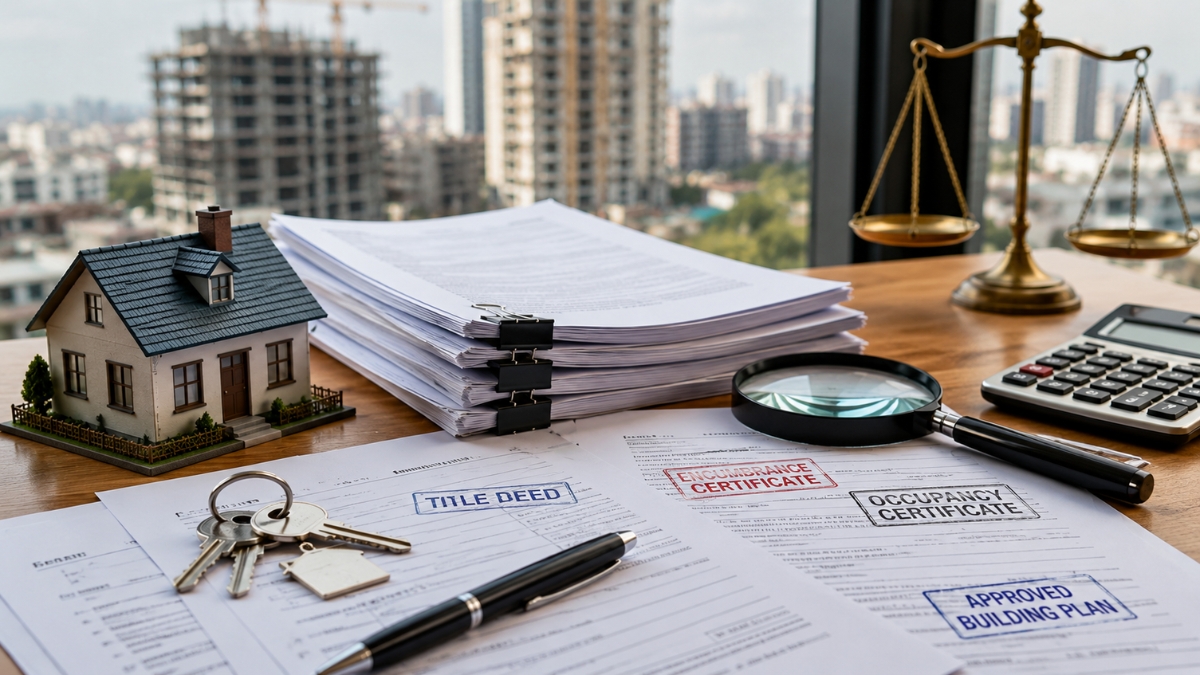
New Delhi, June 12, 2026: For most families, buying a property is the biggest financial decision of their lives. Yet many buyers spend months comparing locations, amenities and prices while giving very little attention to the documents that determine whether the property is legally safe to buy.
Real estate experts say a large number of disputes arise not because buyers choose the wrong property, but because they fail to verify critical documents before making the payment.
If you are planning to buy a flat, plot or independent house in 2026, this checklist could save you from expensive mistakes.
Why Document Verification Matters
A property may look perfect on paper and even be located in a prime area, but missing approvals, ownership disputes or legal issues can create serious problems later.
Verifying documents before purchase helps buyers confirm ownership, approvals and the legal status of the property.
The Most Important Documents Every Buyer Should Check
1. Title Deed
This is one of the most important documents in any property transaction.
The title deed confirms who legally owns the property. Buyers should ensure that the seller has clear ownership rights and authority to sell the asset.
2. Sale Deed
The sale deed records the transfer of ownership from seller to buyer.
Before proceeding, verify that previous transactions related to the property have been properly registered.
3. Encumbrance Certificate
This document helps identify whether the property is free from legal liabilities, loans or financial claims.
A clean encumbrance certificate provides additional confidence to buyers.
4. Approved Building Plan
For flats and apartments, ensure that the project has approved building plans issued by the relevant authority.
Unauthorized construction can create future legal complications.
5. Occupancy Certificate
An Occupancy Certificate confirms that the building has been completed according to approved plans and is fit for occupation.
6. Completion Certificate
This certificate indicates that the construction has been completed as per regulatory requirements.
7. RERA Registration
If the project falls under RERA, verify the registration details and project status through the relevant authority.
RERA registration improves transparency and buyer protection.
Quick Verification Checklist
| Document | Why It Matters |
|---|---|
| Title Deed | Confirms ownership |
| Sale Deed | Validates transaction history |
| Encumbrance Certificate | Checks legal liabilities |
| Approved Building Plan | Confirms regulatory approval |
| Occupancy Certificate | Verifies habitability |
| Completion Certificate | Confirms project completion |
| RERA Registration | Improves transparency |
Common Mistakes Buyers Make
Many buyers focus heavily on discounts, payment plans and location advantages while ignoring document verification.
Some also rely entirely on verbal assurances from brokers or developers without independently checking records.
Experts advise buyers to review documents carefully and seek professional legal assistance when necessary.
What About Resale Properties?
Document verification becomes even more important in resale transactions.
Buyers should review previous ownership records, tax receipts, society dues and any pending legal disputes before finalising the deal.
A property with unresolved issues can become difficult to sell or transfer in the future.
The Grihik View
The excitement of buying a property often makes buyers focus on what they are getting. Smart buyers also focus on what they might be missing.
Location, amenities and price are important, but documents determine whether a property is legally secure. Spending a few extra days on verification can help avoid years of legal and financial stress.
Before signing your next property agreement, make sure every document on this checklist has been verified. It may be the most important step in the entire homebuying journey.