
Most People Assume Their Building Is Safe Until an Inspection Says Otherwise
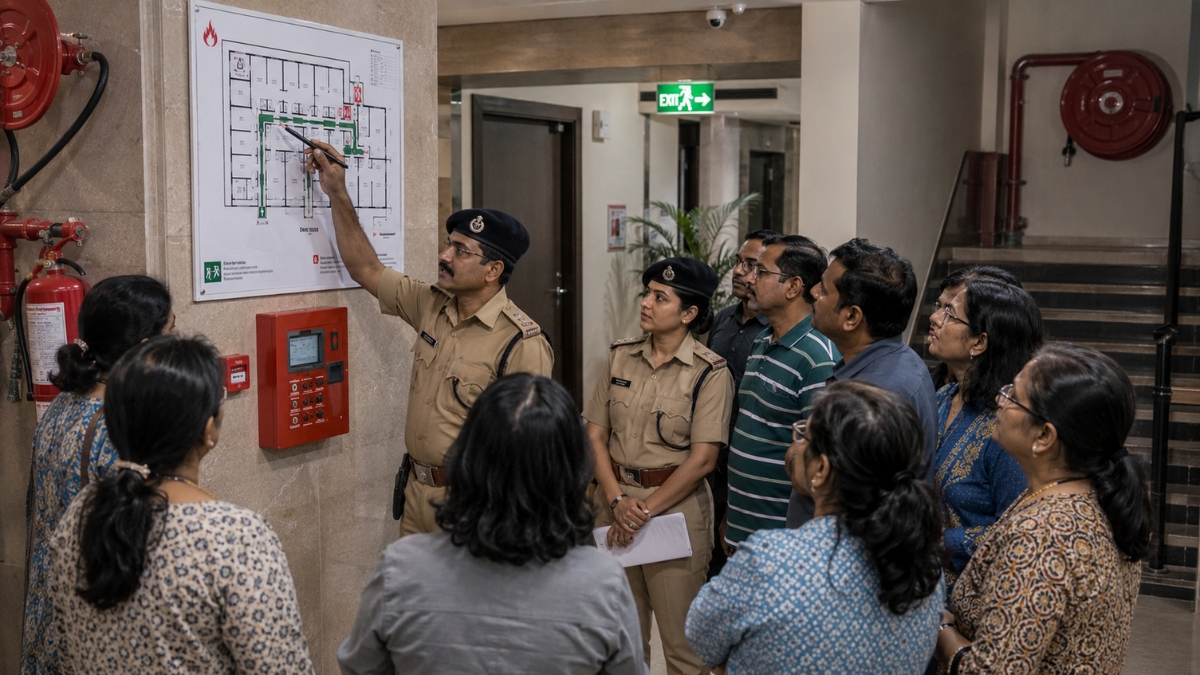
NEW DELHI | June 25, 2026: Many people feel secure simply because they live or work in a modern building.
However, a building's appearance does not always reflect its level of safety.
Regular inspections play an important role in identifying issues that may not be visible during everyday use.
Why Safety Checks Matter
Buildings are designed with multiple safety systems, but these systems require periodic inspection and maintenance to remain effective.
Routine audits can help identify problems before they become serious risks.
What Inspectors Commonly Review
Safety inspections may include:
- Emergency exits
- Fire detection and alarm systems
- Fire extinguishers and hydrants
- Electrical safety
- Evacuation routes
- Maintenance records
Each of these elements contributes to overall building preparedness.
Why Property Owners Should Pay Attention
Whether it is a residential society, office building or commercial complex, maintaining safety standards is an ongoing responsibility.
Ignoring maintenance can affect both compliance and occupant safety.
Building Safety Is a Shared Responsibility
Developers, housing societies, facility managers and residents all play a role in creating safer buildings.
Simple actions such as keeping exits clear, servicing fire equipment and conducting emergency drills can improve preparedness.
Looking Ahead
As cities continue to grow vertically, building safety is likely to receive greater attention from regulators and property owners alike.
Regular inspections and proactive maintenance may become standard practice rather than an occasional exercise.
Final Thoughts
A safe building is not defined only by its design but by how well it is maintained over time. Regular safety inspections can help protect lives, improve compliance and strengthen confidence among residents and occupants.