
Your Builder Sold Your Booked Flat to Someone Else? Know the Legal Rights That Could Save Your Investment
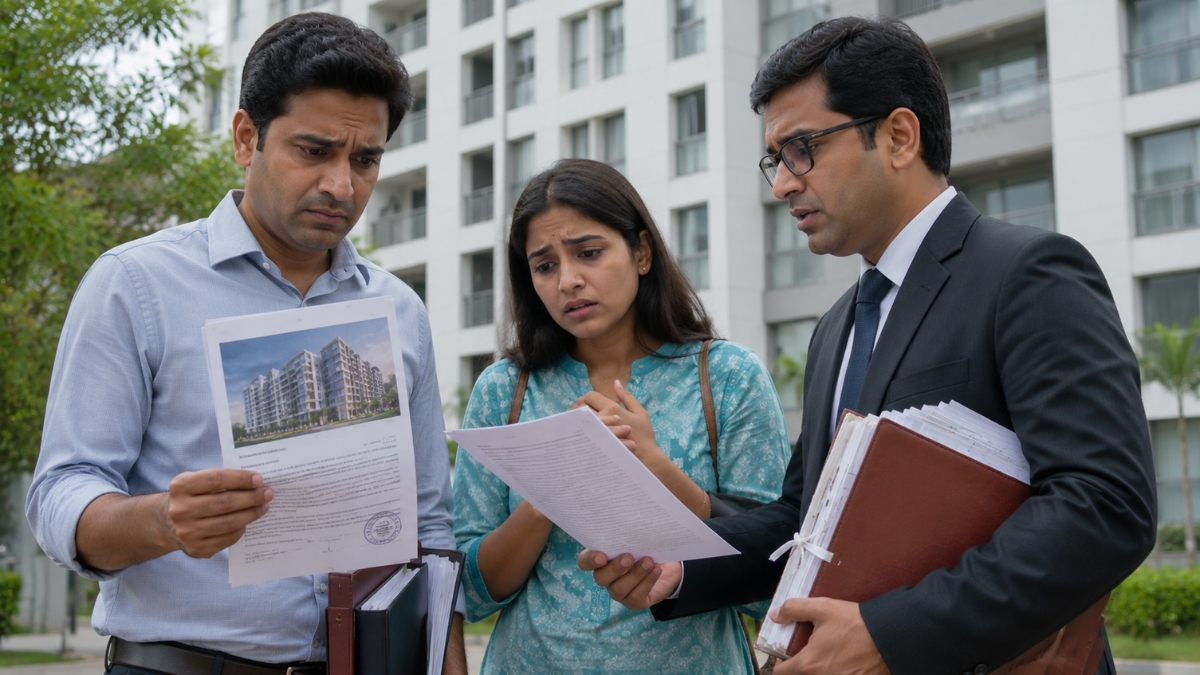
NEW DELHI | June 26, 2026: Imagine paying for your dream home, signing the agreement and waiting for possession—only to discover that the same flat has been sold to someone else.
While such cases are not common, they do arise from time to time and can lead to lengthy legal disputes. The good news is that Indian homebuyers are not without legal protection. Depending on the facts of the case, buyers may have remedies under property laws, the Real Estate (Regulation and Development) Act (RERA), consumer protection laws and the terms of their agreement.
Can a Builder Sell a Flat That Has Already Been Booked?
If a valid allotment has been made and the buyer has fulfilled the agreed payment obligations, selling the same unit to another person may lead to serious legal consequences for the builder. Whether a violation has occurred depends on the agreement, payment status and applicable laws.
What Should You Do Immediately?
If you believe your booked flat has been sold to someone else:
- Collect all booking receipts and payment records.
- Keep copies of the allotment letter and builder-buyer agreement.
- Preserve emails, messages and other written communication.
- Ask the builder for a written explanation instead of relying on verbal assurances.
- Consult a qualified legal professional to understand the remedies available in your specific case.
Quick action can help preserve evidence and clarify your legal position.
Can You File a Complaint?
The available forum depends on the nature of the dispute.
In many situations, homebuyers may be able to approach the relevant state RERA authority if the matter falls within its jurisdiction. Consumer commissions may also provide relief in cases involving alleged deficiency in service or unfair trade practices. Some disputes may additionally require proceedings before civil courts, depending on the facts.
Choosing the appropriate legal route depends on the agreement, the relief sought and the applicable law.
What Relief Might Be Available?
Where legally justified, buyers may seek remedies such as:
- Refund of the amount paid.
- Interest, if provided under law or contract.
- Compensation, where applicable.
- Delivery of the promised property, if legally and practically possible.
The outcome varies from case to case and depends on the evidence presented and the decision of the relevant authority or court.
How Can Buyers Reduce the Risk?
Before making substantial payments:
- Verify the project's legal approvals.
- Check whether the project is registered with the applicable RERA authority, if required.
- Read the builder-buyer agreement carefully.
- Avoid making payments without proper receipts.
- Keep every document safely organised.
These steps cannot eliminate every risk, but they can make it easier to protect your interests if a dispute arises.
Why This Matters
A home purchase is often one of the largest financial commitments a family makes. Understanding your legal rights before a problem occurs can help you respond more confidently if a dispute arises later.
Final Thoughts
Buying a home should be based on transparency and trust. If you ever suspect that your booked flat has been improperly transferred or your contractual rights have been affected, seek professional legal advice promptly and rely on documented evidence rather than verbal assurances. Acting early is often the best way to protect your investment.