
Why Homes Near High-Speed Transit Corridors Could Become the Next Big Real Estate Opportunity
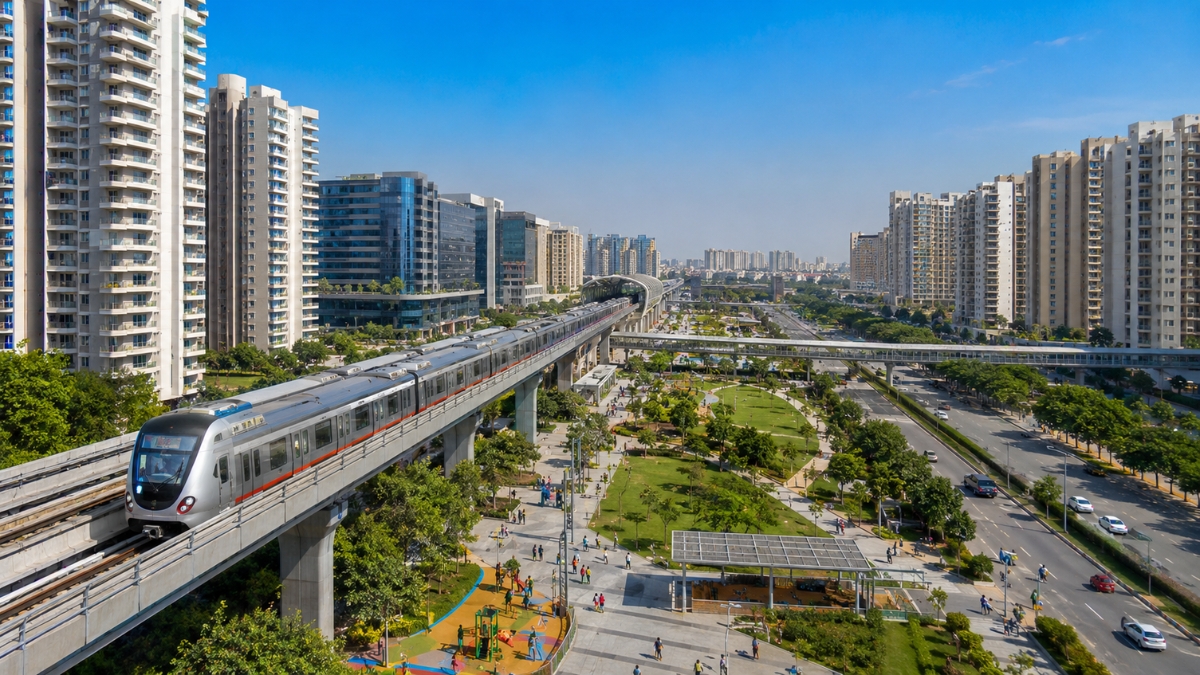
NEW DELHI | June 25, 2026: For decades, people preferred buying homes close to city centres because that meant shorter travel times and better access to jobs.
Today, rapid transit infrastructure is changing that equation.
As new high-speed rail corridors, metro networks and expressways expand, areas that were once considered distant are emerging as attractive places to live and invest.
Why Transport Infrastructure Changes Property Markets
Connectivity often plays a major role in real estate growth.
When travel becomes faster and more predictable, homebuyers and businesses begin exploring locations that were previously overlooked.
This can gradually create new residential and commercial hubs outside crowded city centres.
What Is Transit-Oriented Development?
Transit-Oriented Development (TOD) is an urban planning approach where homes, offices, retail spaces and public amenities are built around major transport corridors.
The objective is to reduce travel time while creating self-sustained communities with better access to employment, education and healthcare.
How Homebuyers Benefit
Well-planned transit corridors can offer several advantages:
- Better daily connectivity
- More housing choices
- Lower congestion in established cities
- Access to new social infrastructure
- Potential long-term property value appreciation
For many buyers, these areas may provide a balance between affordability and convenience.
Why Investors Track Infrastructure Projects
Major transport projects often influence future development patterns.
As infrastructure improves, developers may launch new residential and commercial projects, while businesses increasingly move towards well-connected emerging corridors.
However, investment decisions should always be based on verified project progress, legal approvals and long-term demand rather than speculation.
Looking Ahead
Urban planners across India are placing greater emphasis on creating multiple growth centres instead of concentrating development within one city.
Integrated transport and planned urban expansion are expected to play a larger role in shaping future housing markets.
Final Thoughts
Modern infrastructure is no longer just about reducing travel time. It is helping reshape where people choose to live, work and invest. Homebuyers who understand how connectivity influences real estate can make more informed long-term property decisions.