
What Delays a Building Approval and How It Affects Property Buyers
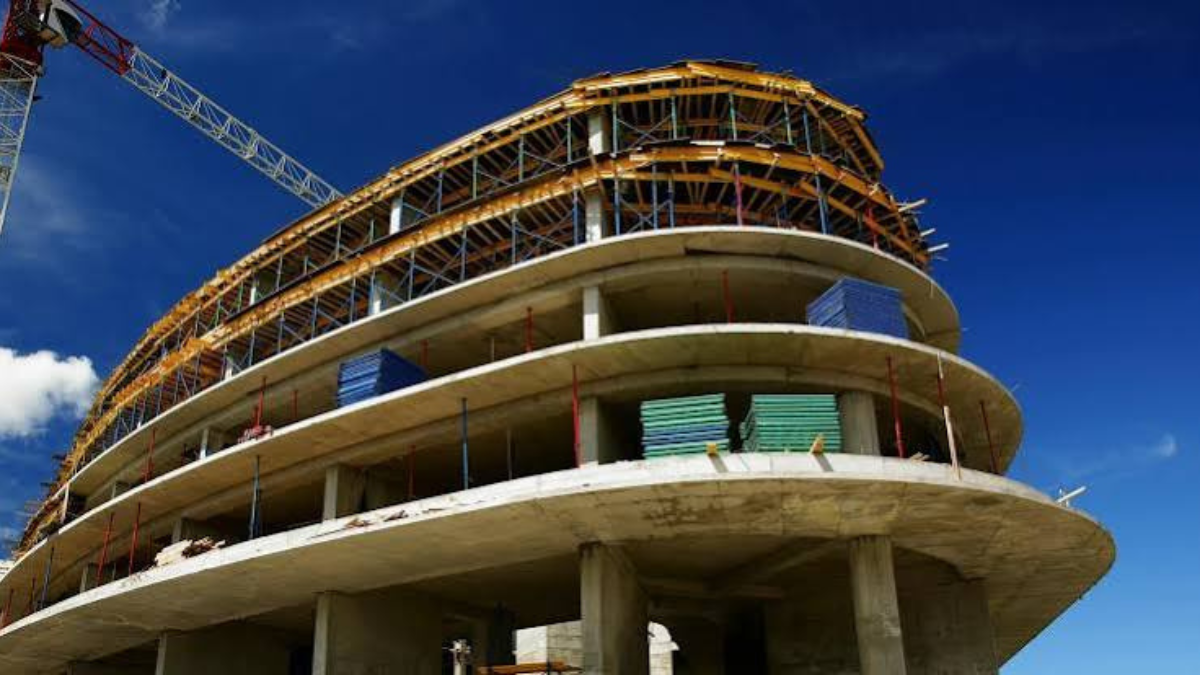
A property project can have land, funding and buyers ready to invest, yet construction may still remain stuck because one important approval has not been received.
For homebuyers, understanding how the approval process works can help identify project risks before booking a property.
Why Do Building Approvals Take Time?
A construction proposal may need clearance from several authorities depending on its location and type.
Issues involving land use, building plans, fire safety, environment, roads, utilities or other regulations can require additional scrutiny.
If documents are incomplete or changes are requested, the approval process can take longer.
One Pending Approval Can Hold Up a Project
Not every approval has the same importance.
Some permissions are required before construction can begin, while others may be needed at later stages.
When a critical clearance is pending, developers may have to delay construction or postpone a planned project launch.
Approval Delays Can Increase Construction Costs
Time is expensive in real estate.
During a prolonged approval period, developers may continue to face interest costs, land-related expenses, professional fees and other overheads without generating the expected project revenue.
If construction costs rise during the delay, the overall project economics can also change.
How Can Buyers Be Affected?
For a buyer, an approval-related delay can eventually mean:
- Delayed construction
- Changed possession timelines
- Higher project costs
- Delayed home-loan planning
- Longer rent and EMI burden
This is why the approval status of a project matters even when construction has already started.
A Construction Site Does Not Guarantee Every Approval
A common mistake is assuming that visible construction means the project has received every necessary clearance.
Different approvals can apply at different stages.
Buyers should therefore verify the project's regulatory records instead of relying only on construction activity or assurances from sales representatives.
What Should Buyers Check Before Booking?
Before paying a booking amount, buyers should review the project's available regulatory information and check:
- RERA registration
- Sanctioned building plan
- Development permissions
- Expected completion date
- Approval status
- Any disclosed litigation or regulatory issues
For significant purchases, professional legal verification can provide additional protection.
Why Predictable Approvals Matter for the Market
A strong approval system does not mean fewer regulations.
The real objective is clear rules, proper scrutiny and predictable timelines.
Developers get greater certainty about construction and financing, while buyers get better visibility over when a project can actually progress.
Grihik Take
A property's location and price may attract a buyer, but its approval status can determine whether the project actually moves forward on time.
Before booking an under-construction home, don't just ask when construction will finish. Ask whether all the approvals required to reach that stage are actually in place.