
Trump Weighs Ending Capital Gains Tax on Home Sales
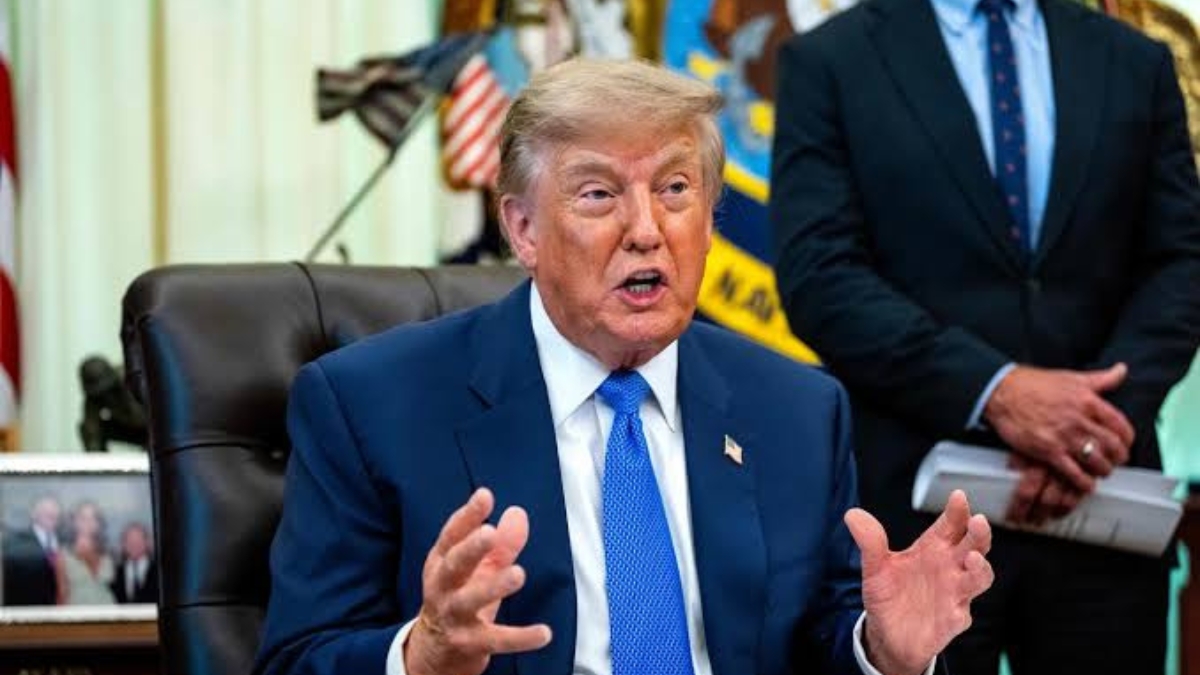
A tax rule that hasn't changed in nearly 30 years could be on the verge of a major overhaul. President Trump has said his administration is "thinking about" eliminating the federal capital gains tax on home sales entirely, a move he suggested could help "unleash" the housing market alongside lower interest rates.
Under current law, home sellers can exclude up to $250,000 in profit ($500,000 for married couples) from capital gains tax when they sell their primary residence — limits that have stayed frozen since 1997 even as home values have tripled in many markets. A bill from Representative Marjorie Taylor Greene would scrap that cap entirely, while a separate bipartisan proposal would simply double it and tie it to inflation going forward.
Who this would actually help: Long-time homeowners in high-appreciation markets — think coastal cities and parts of the Sun Belt — where decades of price growth have pushed profits well past the current exclusion caps. Only about 8% of home sales nationally currently generate gains large enough to exceed the existing limits, so the practical benefit would be concentrated among longtime owners and sellers of high-value homes.
Why experts are skeptical it fixes affordability: Tax analysts note the policy does little for first-time buyers or renters, since it only reduces costs for people already selling profitable homes. Some economists argue a chunk of the "gain" being taxed is really just inflation, not real wealth growth — which is part of the argument for reform, even if it won't move the needle on housing supply broadly.