
KB Home Shifts Back to Build-to-Order as Lower Sales Pushes Buyers to the Sidelines
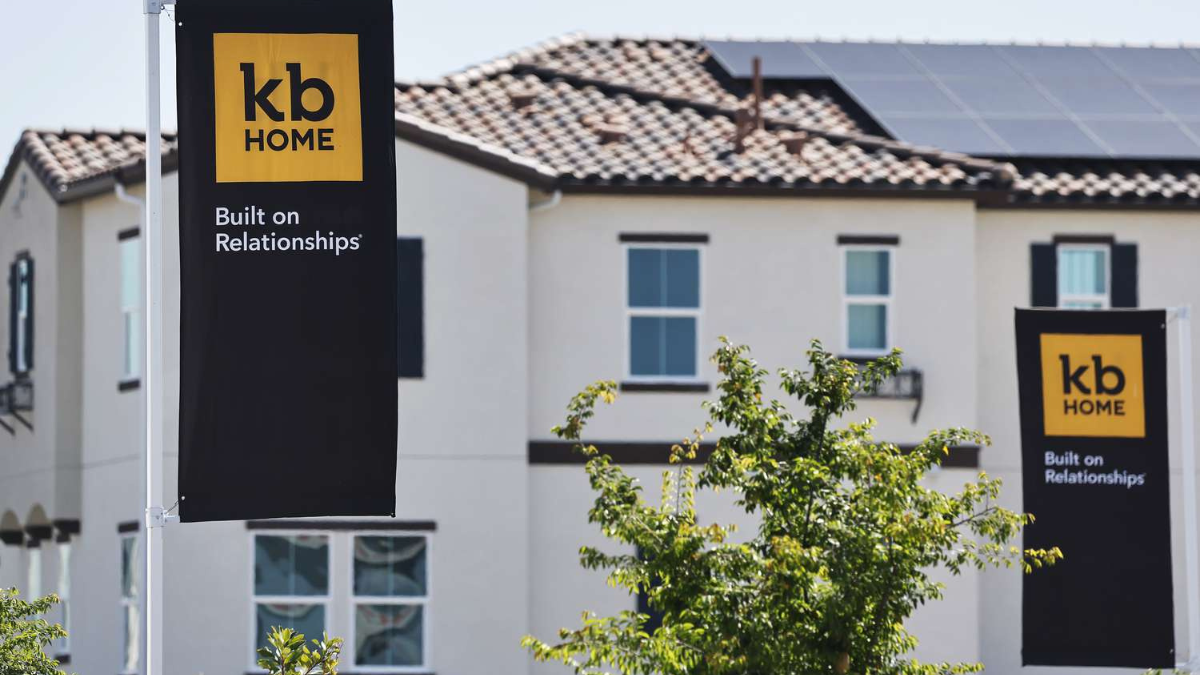
USA | September 24, 2026: KB Home is getting better margins from a renewed focus on build-to-order homes, but its latest results show that US homebuyers remain cautious as high borrowing costs and affordability pressures weigh on demand.
The builder reported Q3 2026 revenue down 20% year over year, while home deliveries fell 19% to 2,732 homes. At the same time, gross margin improved sequentially to 16.5%, up from 15.2% in the previous quarter, as build-to-order homes accounted for 74% of deliveries.
What Changed at KB Home
KB Home has been moving away from the heavier spec-home strategy it adopted during the pandemic-era housing boom and returning to its traditional build-to-order model.
In Q3, build-to-order homes represented approximately 74% of deliveries, bringing the mix closer to historical levels.
The strategy is helping the builder protect profitability on homes it does sell, even as overall sales volumes remain under pressure.
Revenue and Deliveries Fell Sharply
KB Home's third-quarter revenue declined 20% from a year earlier, primarily because the company delivered fewer homes.
Deliveries dropped 19% to 2,732 homes.
The average selling price also edged lower to $473,000, compared with approximately $475,700 a year earlier.
The weaker delivery volume indicates that the challenge for builders is not simply pricing homes correctly. Buyer demand itself remains constrained.
Margins Show the Build-to-Order Benefit
The biggest positive signal came from profitability.
KB Home's gross margin reached 16.5% in Q3, compared with 15.2% in Q2.
That is still below the 18.2% margin recorded a year earlier, but the sequential improvement is important because margins had remained around 15.2% in the first two quarters.
Build-to-order homes generally allow builders to receive customer commitments before construction is completed, reducing some of the inventory and pricing risks associated with speculative homes.
For KB Home, the higher build-to-order mix appears to be helping offset some of the pressure created by lower sales volumes.
Why Buyers Remain Cautious
The company's results point to a broader affordability problem in the US housing market.
With mortgage rates remaining elevated, buyers face higher monthly payments even when home prices are relatively stable.
That environment can make prospective buyers more sensitive to:
- Monthly mortgage payments
- Home prices
- Builder incentives
- Down-payment requirements
- Location and commute costs
- Upgrade and customization expenses
The result is a market where buyers may remain interested in homeownership but take longer to commit.
KB Home Is Trading Volume for Margin
The company's strategy creates a clear trade-off.
A higher build-to-order mix can support stronger margins, but fewer spec homes can also limit the number of immediately available properties and reduce the builder's ability to capture buyers who want quick move-in homes.
KB Home's Q3 results show that the company is currently prioritizing the economics of each home sold rather than simply maximizing delivery volume.
Homebuilding operating income also fell by nearly half from a year earlier, showing that the margin improvement has not yet offset the decline in overall business volume.
What This Means for US Homebuyers
For buyers, KB Home's strategy could mean greater emphasis on customized homes and purchase commitments rather than large inventories of completed spec homes.
That may give buyers more opportunities to select layouts, finishes and upgrades, but it can also require a longer wait before moving in.
Buyers comparing new construction should therefore look beyond advertised base prices and examine:
- Upgrade costs
- Builder incentives
- Mortgage financing offers
- Expected completion timelines
- Final purchase price
- Monthly payment after financing
What Happens Next
KB Home's next challenge will be balancing its improved build-to-order margins with a housing market where buyers remain cautious.
The Q3 numbers suggest that the strategy is improving margins sequentially, but the 20% revenue decline and 19% drop in deliveries show that demand remains a significant constraint.
For the broader US housing market, KB Home's results provide another indication that builders are increasingly having to adapt their product mix and pricing strategies to buyers who are still highly sensitive to affordability.