
German Home Prices Rise for Seventh Quarter but Recovery Loses Momentum
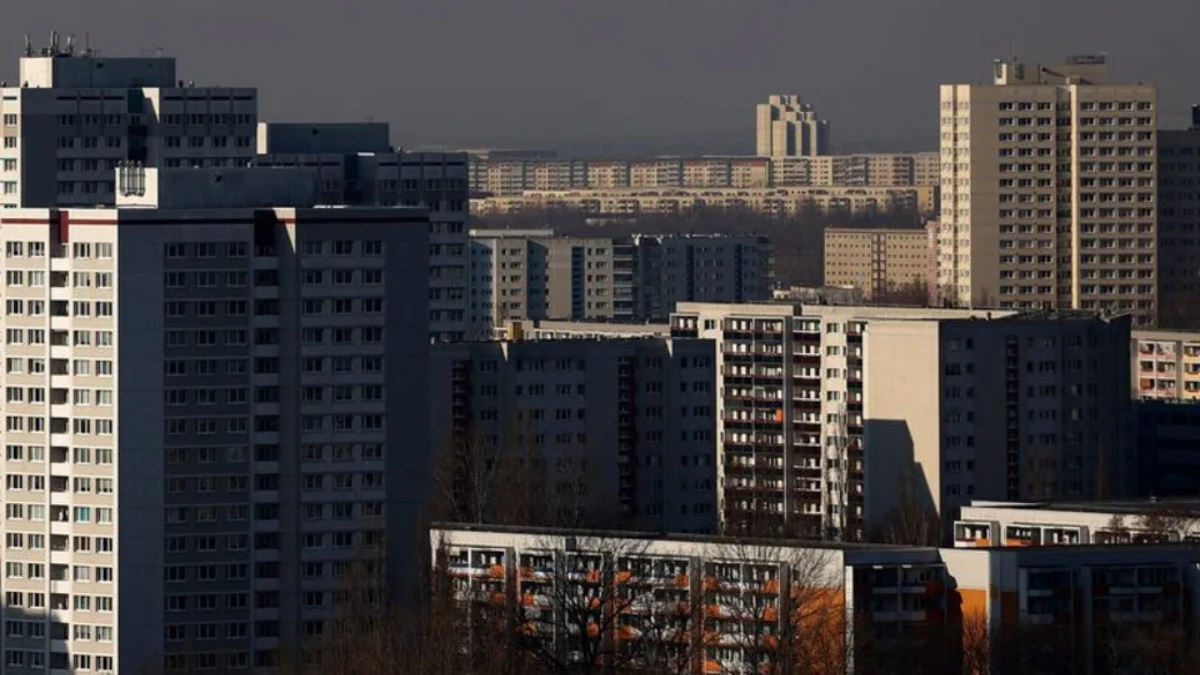
Germany | September 28, 2026: Germany’s residential property market continued its recovery in the second quarter of 2026, but rising borrowing costs are slowing price growth. Home prices increased just 0.6% year-on-year, marking the seventh consecutive quarterly rise but the weakest growth since the recovery began in late 2024.
The latest figures point to an uneven housing market. While national prices continued to increase, Germany’s largest cities recorded quarterly declines, highlighting the pressure that higher mortgage rates are putting on buyers and property demand.
German Home Prices Record Slowest Growth Since Recovery Began
German residential property prices rose 0.6% year-on-year in the second quarter of 2026, according to data reported by Reuters.
Although prices have now increased for seven consecutive quarters, the latest growth rate represents a slowdown in the market’s recovery. The figures suggest that the rebound following the previous downturn is continuing, but at a more moderate pace.
The first-quarter price increase was also revised downward to 1.2% from the earlier estimate of 1.4%, indicating weaker growth than initially reported.
Major German Cities Experience Price Declines
Germany’s largest cities recorded declines in home prices during the second quarter, contrasting with the modest national increase.
The divergence highlights differences between the national housing market and major urban property markets. While overall prices are still rising, buyers in larger cities are facing a market where prices have come under renewed pressure.
For property investors, the figures underline the importance of examining individual cities and local market conditions rather than relying solely on national price trends.
Higher Interest Rates Continue to Weigh on Housing Demand
Higher interest rates following the Iran war have continued to affect Germany’s residential property market.
More expensive borrowing can reduce buyers’ purchasing power and increase monthly mortgage payments. This can lead prospective homeowners to delay purchases, reconsider budgets or look for less expensive properties.
The latest price figures suggest that financing costs remain an important factor shaping demand, even as the market continues to recover from its earlier downturn.
Seven Consecutive Quarters of Growth, but Recovery Is Uneven
The second-quarter increase extends Germany’s residential property recovery to a seventh consecutive quarter. However, the slowdown to 0.6% year-on-year shows that the recovery is losing momentum.
The contrast between national growth and declines in major cities also points to uneven market conditions. The latest data does not establish a uniform trend across all German regions or property types.
For buyers, slower price growth could create opportunities to assess properties more carefully, although higher financing costs remain a major consideration.
What the Latest Figures Mean for Property Buyers and Investors
The combination of modest national price growth, falling prices in major cities and elevated borrowing costs presents a mixed picture for Germany’s housing market.
Buyers may find greater scope to negotiate in some urban markets, but affordability will continue to depend on mortgage rates, property prices and household finances.
Investors should consider local price movements and financing conditions before making decisions. The national growth figure alone may not reflect the performance of individual cities or property segments.
What Happens Next for Germany’s Housing Market
The pace of price growth, mortgage costs and housing demand will be important indicators to watch in the coming quarters.
If borrowing costs remain elevated, demand could continue to face pressure, particularly in major cities. However, the market’s seven consecutive quarters of price increases show that the broader recovery has not yet reversed.
The next housing market data will help establish whether Germany’s residential property recovery stabilises or continues to lose momentum.