
FiDi Tower Plan Could Add 4,000 Homes in Lower Manhattan
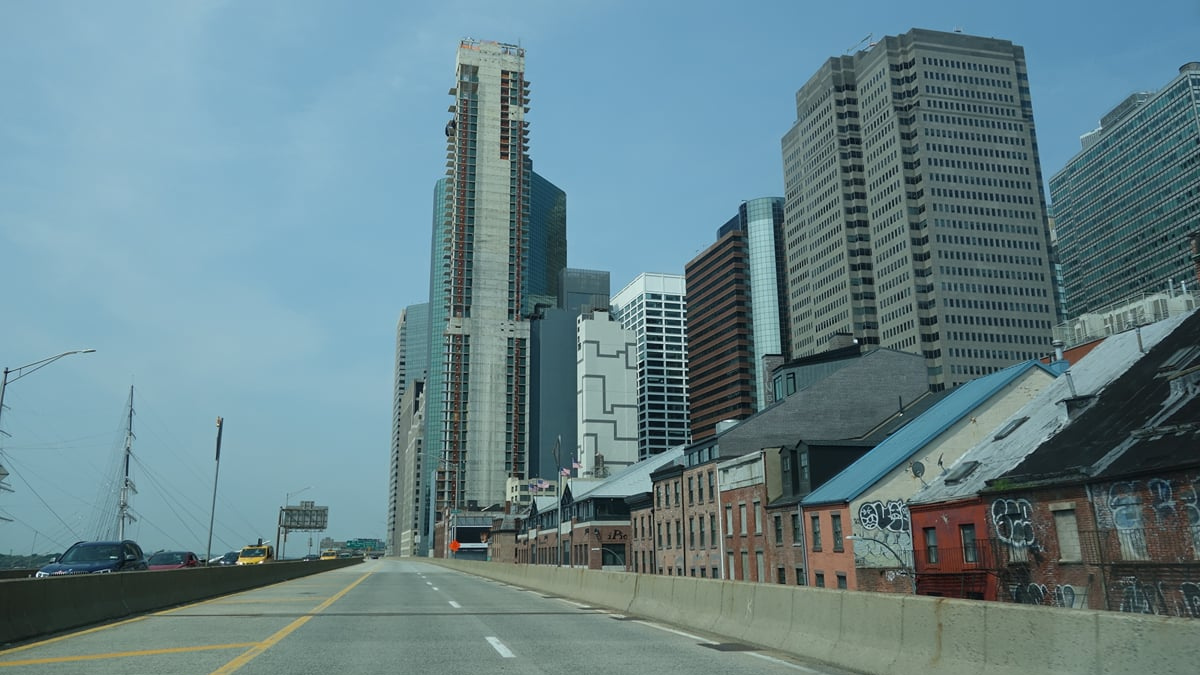
New York, USA | October 20, 2026: Lower Manhattan could be on the verge of one of its biggest residential transformations, with a proposed redevelopment of the city-owned 100 Gold Street site potentially bringing up to 4,000 apartments to the Financial District.
The project would replace the existing nine-story office building near the Brooklyn Bridge with a large-scale residential development designed to combine housing, affordable homes, community facilities and improvements to the surrounding public realm. For the Financial District, the proposal could significantly increase residential density and further accelerate the neighborhood’s shift from a predominantly commercial district to a more mixed-use residential destination.
4,000 Homes Could Transform the Financial District
The proposed development is being advanced through a partnership involving the New York City Economic Development Corporation (NYCEDC) and GFP Real Estate.
Earlier plans described a development of approximately 3,700 apartments, including around 1,000 permanently affordable rent-stabilized homes. More recent planning information has indicated the potential for the project to grow to roughly 4,000 homes.
Preliminary plans call for multiple residential towers rising from a shared podium. The final number of towers, building heights and apartment count remain subject to the city's review process.
If completed at the proposed scale, the project would become one of the largest residential developments in Lower Manhattan.
Affordable Housing Could Be a Major Part of the Project
One of the most significant aspects for New York's housing market is the proposed affordable component.
NYCEDC has indicated that at least 25% of the planned housing would be permanently affordable without public subsidy. That would provide a substantial addition to the Financial District's affordable housing stock while increasing the overall number of homes available in the neighborhood.
The scale of the proposal is particularly important in a market where limited housing supply continues to influence rents and property values.
For prospective renters, a large project with a meaningful affordable component could create additional housing options. For nearby property owners, however, the arrival of thousands of new residents could also change demand for retail, services and neighborhood amenities.
A City-Owned Site Could Become a Residential Hub
The existing building at 100 Gold Street currently accommodates city agencies and a senior center. Those uses are expected to be relocated as redevelopment moves forward.
The proposed project would include a new older adult center, along with approximately 40,000 square feet of public-realm improvements and a publicly accessible commercial fitness facility.
That mix could give the redevelopment a broader role than simply adding apartments. The project is being positioned as a new residential and community hub within the Financial District.
Why the Location Matters for Property Buyers
The site's location near the Brooklyn Bridge places the proposed development within one of Manhattan's most established transportation and employment districts.
Adding thousands of homes could increase demand for neighborhood retail, restaurants, services and other amenities. It could also strengthen the residential appeal of Lower Manhattan, particularly as the Financial District continues to attract residents seeking proximity to employment centers and transit.
For property buyers and investors, the project is worth watching because large-scale housing additions can have a long-term effect on neighborhood activity and the surrounding real estate market.
At the same time, the sheer size of the proposal means its impact will depend heavily on infrastructure, construction timelines and the final development plan.
Redevelopment Still Has Several Hurdles to Clear
The project has not yet reached the construction stage.
The development team must complete environmental review and move through New York City's land-use approval process. The project is expected to enter the Uniform Land Use Review Procedure (ULURP) in 2027.
That means the final number of apartments, tower configuration, building heights and other elements could change during the review process.
For now, the proposal represents a potential major expansion of Lower Manhattan's residential supply rather than a confirmed 4,000-unit construction project.
What It Means for New York's Property Market
The 100 Gold Street proposal highlights a broader trend in Manhattan: underused or government-owned commercial sites are increasingly being considered for residential redevelopment as the city searches for ways to expand housing supply.
If the project ultimately moves forward at close to its proposed scale, thousands of new residents could reshape the Financial District's residential and commercial ecosystem.
For buyers, investors and existing property owners, the key developments to watch will be the project's environmental review, ULURP process, final housing count and affordable-housing commitments.
Grihik Angle: A potential 4,000-home project in the heart of Lower Manhattan could create a significant new residential cluster. Beyond the apartment count, the bigger property-market question is how this additional housing supply changes rental demand, retail activity and the long-term residential appeal of the Financial District.