
Cambridge University Brings First US Startup Hub to West Harlem
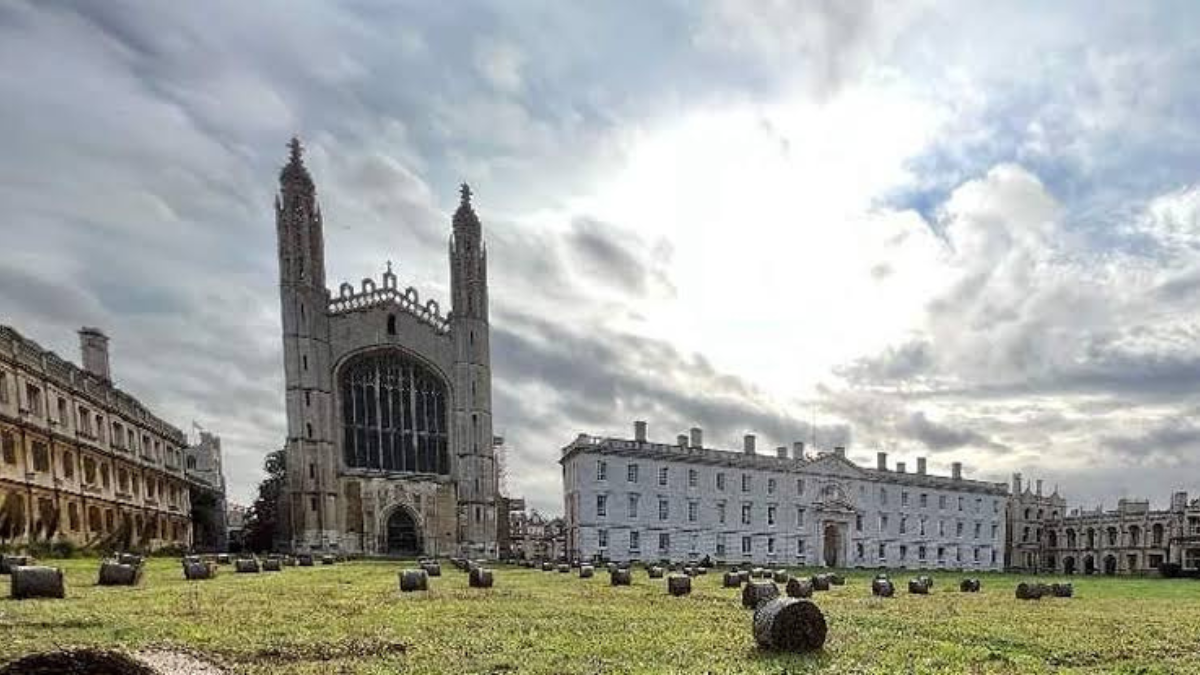
New York, USA | October 19, 2026: West Harlem is emerging as a new destination for global innovation after the University of Cambridge’s innovation arm selected the neighbourhood for its first U.S. startup landing site. Five Cambridge-linked companies will establish operations at the Factory District, bringing a new wave of life-sciences and technology activity to an area already building an innovation ecosystem.
The initiative gives these companies access to New York’s investors, research institutions, commercial networks and potential clinical partners. For West Harlem’s property market, the bigger question is whether this international presence can translate into long-term demand for laboratory, office and supporting commercial space.
Five Cambridge Startups Are Coming to West Harlem
The inaugural New York Leap cohort includes Verinnogen, Streamtrix, Aila Biotech, Senesys.Bio and Wave Photonics.
The companies are working across areas including brain cancer, multiple sclerosis and central nervous system therapeutics, aging-related diseases, tumour measurement and integrated photonics.
They will operate from laboratory and office space within Janus Property Company’s West Harlem Factory District.
Why Cambridge Chose West Harlem
The move is part of Cambridge Enterprise’s New York Leap, a temporary landing hub designed to help Cambridge-linked companies establish themselves in the U.S. market.
West Harlem offers access to a concentration of research institutions, startups and specialised facilities, alongside New York’s deep pool of investors and commercial partners.
The programme is also being supported by organisations including Harlem Biospace, Gotham Foundry, Columbia University-related research and business institutions, the New York Structural Biology Centre, Chan Zuckerberg Biohub and the CUNY Advanced Science Research Center.
West Harlem’s Real Estate Story Is Getting More Interesting
The Cambridge arrival adds another layer to West Harlem’s transformation from a predominantly residential and commercial neighbourhood into an emerging life-sciences and innovation district.
That shift matters because laboratory and research companies have very different real estate requirements from conventional office tenants. They need specialised infrastructure, flexible laboratory space and access to research networks.
As more such companies enter the area, properties capable of supporting these uses could become increasingly valuable to landlords and developers.
The Factory District Could Benefit From More Than Office Demand
The immediate impact may be limited to the five participating companies, but the longer-term opportunity could extend well beyond their individual footprints.
Successful startups often require additional laboratory space as they expand, while growing workforces can generate demand for nearby housing, restaurants, retail, transportation and other services.
That creates a potential ripple effect for surrounding real estate if the Cambridge-backed companies remain in New York and expand their operations.
A Global University Is Putting West Harlem on the Innovation Map
Cambridge Enterprise’s decision gives West Harlem an international connection at a time when cities are competing aggressively to attract technology and life-sciences companies.
The New York Leap follows Cambridge Enterprise’s earlier Leap initiative in London and represents its first international landing programme in the U.S.
For West Harlem, the significance is therefore larger than simply gaining five new tenants. The neighbourhood is being positioned as a place where international research, entrepreneurship, investment and commercial real estate can intersect.
What Property Investors Should Watch
Investors should focus on what happens after the initial landing period rather than treating the announcement itself as proof of a major property boom.
The key indicators will be new laboratory and office leasing, expansion by the participating startups, additional international companies choosing West Harlem and further investment in specialised commercial buildings.
If those developments follow, demand for innovation-focused real estate could strengthen the neighbourhood’s commercial profile.
What Happens Next
The New York Leap will initially provide Cambridge-linked ventures with a temporary base and connections to New York’s investment, research and commercial ecosystem.
The real property impact will become clearer as these companies decide whether to expand their New York operations and whether other Cambridge-linked ventures follow them.
For West Harlem, the Cambridge arrival could become an important early marker in a much bigger transformation — from an emerging innovation district into a recognised destination for global life-sciences and technology companies.