
Pilikula Master Plan to Cover 339 Acres as Karnataka Plans Major Science and Tourism Hub
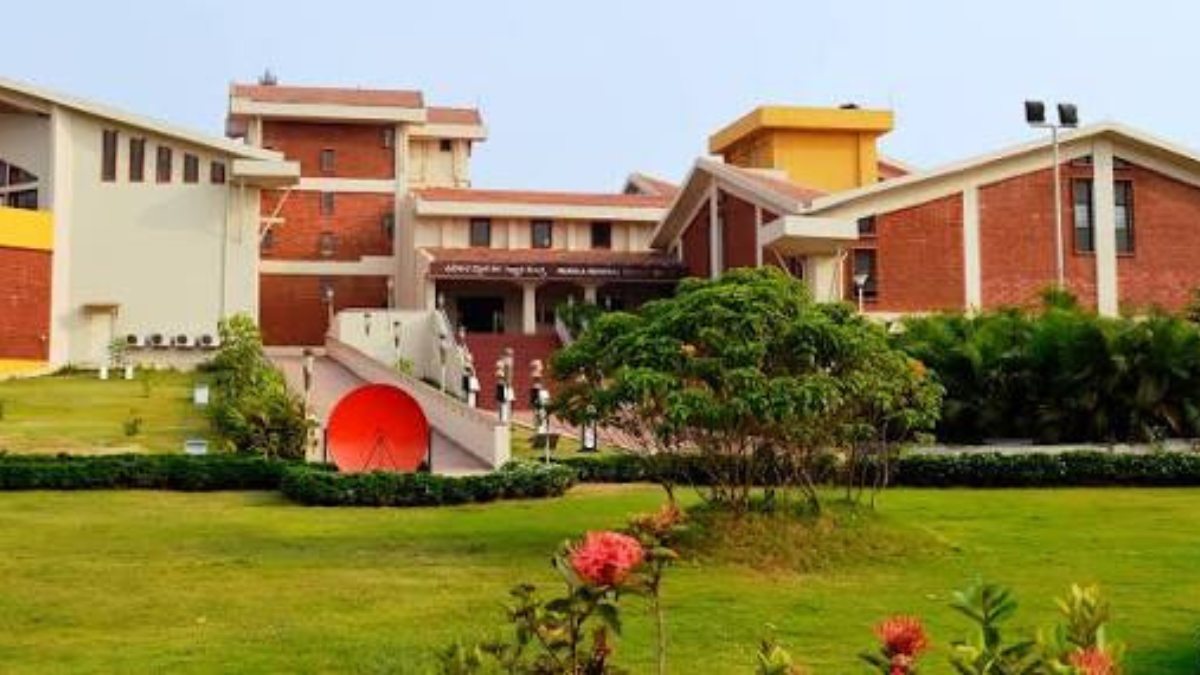
Mangaluru | September 23, 2026: Pilikula Nisargadhama in Karnataka is set for a major planning overhaul as the state government prepares a comprehensive master plan for nearly 340 acres aimed at creating an integrated hub for science, environment, education and tourism.
The proposed plan could reshape how the large destination is used over the next 10–15 years, with upgraded facilities, new attractions and potentially more private-sector participation through public-private partnerships.
What Changed for Pilikula
The Karnataka government plans to soon begin the tender process for preparing the master plan.
The plan will cover approximately 339.9 acres of Pilikula and is expected to examine the site's existing infrastructure as well as opportunities for new development.
The objective is to move away from fragmented development and create a coordinated long-term framework for the destination.
Master Plan to Cover Science, Tourism and Environment
The proposed development will examine multiple components, including:
-
Better utilisation of the 339.9-acre site
-
Upgradation of existing facilities
-
New tourism attractions
-
Science education facilities
-
Biodiversity conservation
-
Environmental protection
-
Improved visitor infrastructure
-
New visitor experiences
The government wants Pilikula to explore its potential as a major science and eco-tourism destination.
PPP Model Could Bring Private Investment
One of the most important elements for the area's future development is the proposed examination of a public-private partnership (PPP) model.
Officials have been asked to identify facilities that could be developed or managed commercially while maintaining Pilikula's environmental and tourism character.
This could create opportunities for private participation in selected visitor facilities and attractions, although no specific projects or investment amounts have yet been announced.
Why the 339-Acre Development Matters
Large integrated developments can have implications beyond the project boundary because new tourism, education and visitor infrastructure can increase activity around surrounding areas.
For local property owners and businesses, the important factors to watch will be the final master plan, proposed access infrastructure, permitted land uses and the location of new facilities.
However, the government has not announced any specific changes to surrounding land-use regulations or property development rights.
Focus on Financially Sustainable Development
The state government has stressed that Pilikula's future facilities should generate sustainable revenue without compromising its environmental identity.
The master plan is expected to assess new science experiences, visitor amenities and attractions that could draw tourists from across India and abroad.
This approach could also influence how commercial facilities within the destination are structured and operated.
Science Network Could Expand the Regional Ecosystem
The government is also looking at science centres across Karnataka as a connected network rather than isolated institutions.
The objective is to allow students in different parts of the state to access exhibitions and educational programmes on an ongoing basis.
For Pilikula, that could increase its role not only as a tourist destination but also as a regional education and science hub.
What Happens Next
The immediate step is the tender process for preparing the master plan.
The final plan will determine how the 339.9-acre site is utilised, which existing facilities are upgraded, what new attractions are proposed and where PPP or commercially sustainable models can be used.
Until those details are finalised, the project's broader impact on surrounding real estate and commercial activity remains dependent on the eventual development framework.