
Mumbai Slum-Free Plan Could Unlock a Major New Phase of Housing and Redevelopment
Mumbai, Maharashtra | September 4, 2026
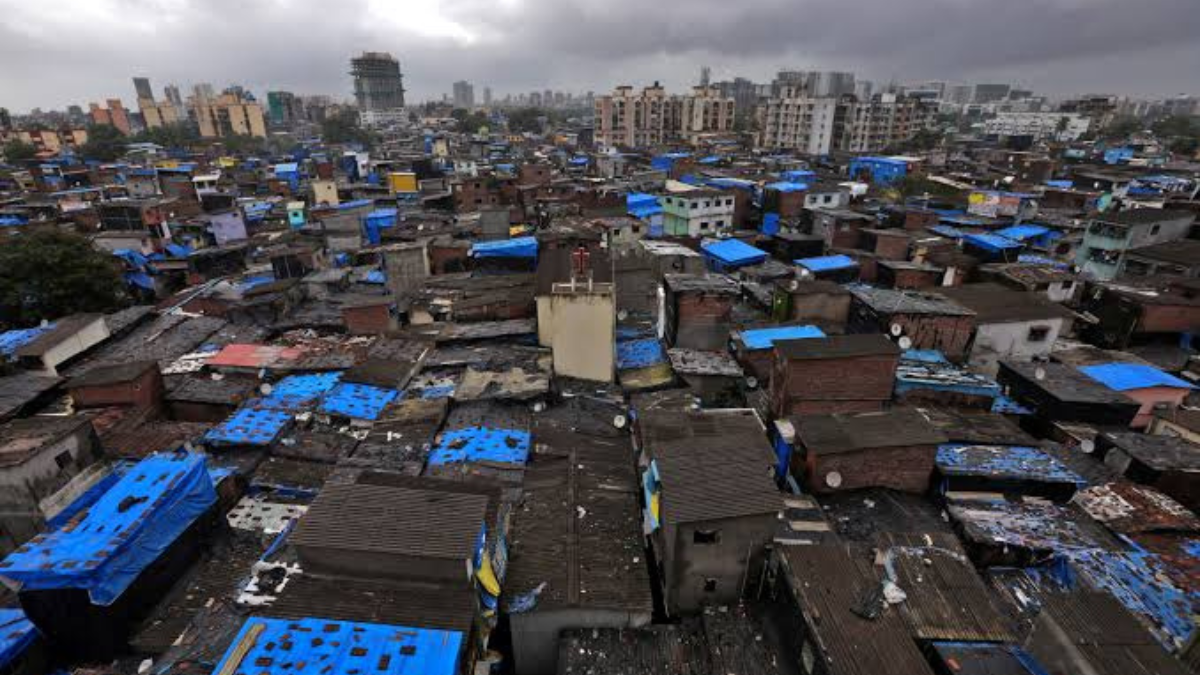
Maharashtra Chief Minister Devendra Fadnavis has set an ambitious target to make Mumbai slum-free within the next 10 years, with large-scale redevelopment and new rehabilitation housing at the centre of the government’s plan.
Speaking at a NAREDCO Maharashtra real estate conference, Fadnavis said Mumbai’s development would be driven through a cluster-based redevelopment model, with the Dharavi redevelopment project emerging as one of the biggest components. The government has set a target of completing the first phase of Dharavi rehabilitation with 10,000 homes by January 2029.
For Mumbai’s property market, the proposed transformation could significantly increase the supply of formal housing, unlock underutilised land and create new residential, commercial and mixed-use development opportunities.
Mumbai Plans Cluster-Based Redevelopment at Large Scale
The government plans to divide Mumbai into multiple clusters and accelerate redevelopment in areas affected by ageing buildings, informal settlements and inefficient land use.
Fadnavis said the objective is not simply to replace old structures with new buildings but to make better use of Mumbai’s limited land resources while improving housing and urban infrastructure.
The cluster approach could allow larger areas to be redeveloped together instead of individual buildings being taken up separately. This may create opportunities for integrated residential, commercial and public facilities.
Dharavi Rehabilitation Gets January 2029 Target
Dharavi remains a key part of Mumbai’s slum-free strategy.
The Chief Minister said the government wants to have 10,000 rehabilitation homes ready by January 2029, with the aim of handing over these homes to eligible residents in the first phase.
The redevelopment is expected to transform one of Mumbai’s largest informal settlements while bringing residents into formal housing.
For the wider property market, Dharavi’s redevelopment could also influence surrounding areas by improving infrastructure, creating new commercial spaces and increasing the efficient use of centrally located land.
Old Depot Lands Could Create Mixed-Use Development
Fadnavis also highlighted plans to redevelop old depot lands in Mumbai.
These sites could be transformed into modern transport facilities alongside residential, commercial and other mixed-use developments.
Such projects can be particularly significant in Mumbai because large, well-connected parcels of land are scarce. Combining transport infrastructure with real estate development could help create new urban destinations while generating additional revenue for public agencies.
Redevelopment Could Increase Mumbai’s Housing Supply
Mumbai faces a structural challenge of limited developable land and high housing demand. Redevelopment provides a way to add new homes without requiring large-scale expansion beyond the existing city.
The government’s approach could bring ageing settlements, old layouts and informal housing areas into a more organised development framework.
For homebuyers, increased housing supply could eventually create more options across different price segments, although the actual impact will depend on the scale, location and speed of projects.
For developers, larger redevelopment clusters could provide opportunities for residential, commercial and mixed-use projects.
Infrastructure Is Expanding Mumbai’s Future Growth Map
The slum-free strategy is being positioned alongside Maharashtra’s broader Mumbai 3.0 development vision.
Fadnavis pointed to major infrastructure and economic projects that could create new growth centres outside Mumbai’s traditional core, including the proposed airport near Virar, Mumbai-Nagpur connectivity projects, the bullet train corridor and a major new port.
The expansion of transport and economic infrastructure could gradually shift development towards emerging parts of the MMR, creating new demand for housing, offices, retail and supporting services.
MMR Targeted as a Major Economic Growth Engine
Fadnavis said the Mumbai Metropolitan Region is targeted to become a $1.5 trillion economy by 2047, with MMR, Pune and Nagpur expected to play major roles in Maharashtra’s next phase of urbanisation.
The government is also looking to expand sectors such as data centres, advanced manufacturing and emerging technologies.
Such employment-led growth is closely linked to real estate because new economic activity generally creates additional demand for residential and commercial properties in connected locations.
What Mumbai’s Slum-Free Plan Means for Property Buyers
For homebuyers and property investors, the biggest potential impact will come from how redevelopment changes neighbourhood infrastructure and land use.
Projects that combine rehabilitation housing, commercial activity, transport improvements and public amenities could reshape established parts of Mumbai and create new property growth pockets.
However, buyers should assess the actual stage of redevelopment, approved plans, rehabilitation arrangements and infrastructure timelines before making investment decisions based solely on proposed projects.
Mumbai’s Next Decade Could Be Defined by Redevelopment
The government’s 10-year slum-free target represents a major ambition for Mumbai, but its success will depend on execution, rehabilitation, land availability and coordination between government agencies and developers.
If the cluster-based model progresses as planned, Mumbai could see a substantial transformation of ageing and informal settlements into organised urban developments.
For the real estate sector, this could mean new housing supply, redevelopment opportunities and better-utilised land, while for residents the larger objective remains the creation of safer and more formal housing with improved urban amenities.