
Cavco Unveils Chassis-Free Manufactured Home as HUD Rules Open New Housing Design Options
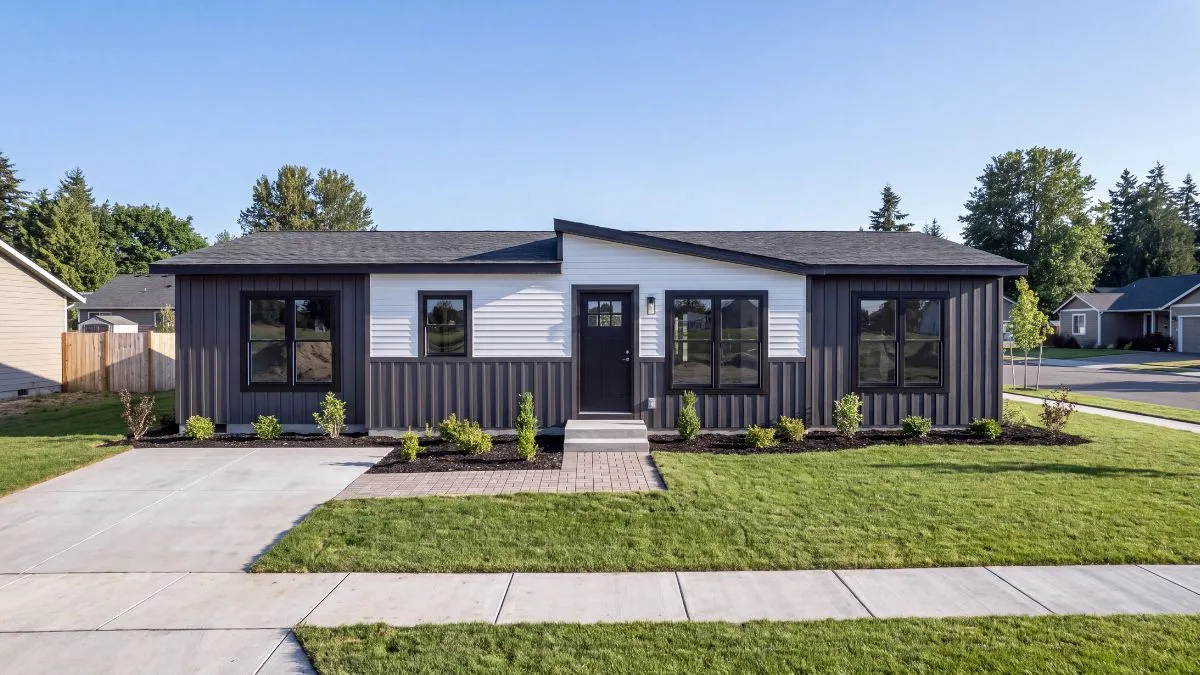
Washington, D.C. | September 22, 2026: Cavco Industries is set to showcase a new chassis-free manufactured home in Washington, D.C., highlighting how recent federal policy changes could give manufactured housing developers greater flexibility in designing homes for urban, suburban and higher-density markets.
The company's Grande Arbor model will be presented at the U.S. Department of Housing and Urban Development's 2026 Innovative Housing Showcase from September 22 to September 24 on the National Mall.
What Changed for Manufactured Housing
The Grande Arbor is Cavco's first manufactured home model designed without a permanent steel chassis frame while remaining compliant with HUD's manufactured housing code.
The change follows the bipartisan 21st Century ROAD to Housing Act, which removed the permanent chassis requirement for HUD-code manufactured homes.
That policy change potentially gives manufacturers more freedom in how homes are designed, transported and installed.
Why the Chassis-Free Design Matters
The shift is significant because the permanent chassis had traditionally been a defining structural component of HUD-code manufactured housing.
Cavco's approach focuses on using the new flexibility to create homes that can be installed more like conventional ground-set housing.
The company argues that the change is driven by design flexibility rather than simply reducing construction costs.
Some industry estimates have cited potential savings of approximately $5,000 to $10,000, but Cavco is emphasizing the broader opportunity to develop different housing layouts and configurations.
Grande Arbor Targets Multigenerational Living
The Grande Arbor is designed around multigenerational living, featuring a double-primary-suite layout.
That configuration could allow two generations or households to share one home while maintaining greater separation and privacy than a conventional single-suite floor plan.
The design reflects a wider trend toward housing that can accommodate changing household structures without requiring multiple separate residences.
HUD Showcase Puts the Model in the Spotlight
Cavco will display Grande Arbor at HUD's 2026 Innovative Housing Showcase, an event focused on new housing technologies, construction approaches and affordability solutions.
The model's Washington debut comes only a few months after the federal policy change removing the permanent chassis requirement.
The timing gives manufacturers an opportunity to demonstrate how the new regulatory framework could translate into actual housing products.
Could Manufactured Housing Move Into More Urban Markets
One of the potentially important real estate implications is the ability to deploy manufactured housing in urban and suburban infill locations.
Industry leaders expect the chassis change to support:
- More flexible home designs
- Ground-set installations
- Higher-density housing
- Multigenerational layouts
- Greater use of manufactured homes in infill locations
- New opportunities in suburban housing developments
The actual impact will depend on local zoning, land availability, infrastructure requirements and permitting rules, which can differ significantly between jurisdictions.
What It Means for Homebuyers and Developers
For homebuyers, greater design flexibility could eventually mean manufactured homes that look and function more like conventional site-built residences while retaining the manufacturing advantages of factory production.
For developers, the regulatory change could create another housing option for projects where land costs and construction timelines make conventional development difficult.
However, the chassis change alone does not guarantee lower home prices or faster development. Local zoning and site-related costs will remain important factors.
What Happens Next
Cavco's Grande Arbor showcase provides an early look at what manufacturers may build under the new federal framework.
The broader test will come as manufacturers introduce additional chassis-free models and developers begin evaluating them for real-world residential projects.
If the new designs gain wider adoption, manufactured housing could gradually expand into housing formats and locations that were previously less practical for traditional HUD-code homes.