
Chintels India Seeks Approval to Demolish Unsafe Tower J at Gurugram Paradiso
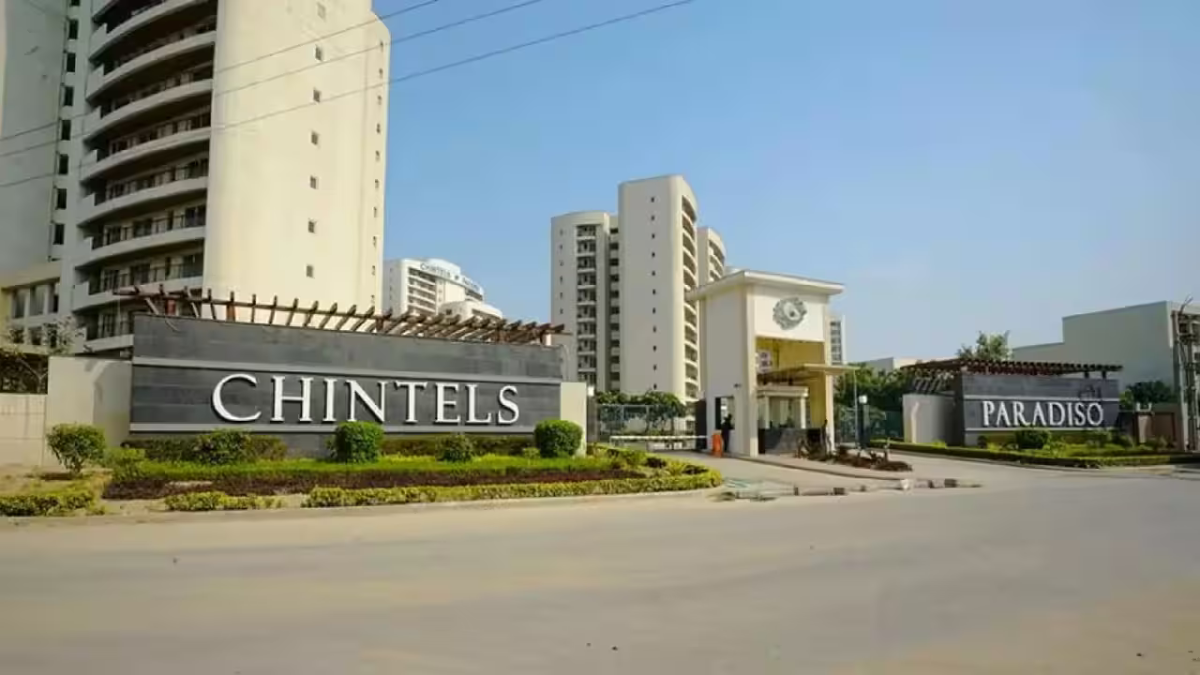
Gurugram, Haryana | September 22, 2026: Chintels India has sought written permission from the Gurugram administration to demolish Tower J at Chintels Paradiso in Sector 109, after structural assessments found that repairs and rehabilitation of the building were not feasible.
The developer has asked the administration to approve the demolition and deploy a government team to supervise the work. Residents of the unsafe tower have been directed to vacate and hand over possession by January 1, 2027.
Why Tower J Is Set for Demolition
Tower J was declared unsafe following a structural assessment by IIT Delhi.
The assessment identified high levels of chlorides in the concrete, creating a significant risk of reinforcement corrosion. It also found reduced alkalinity and deterioration of the concrete.
The administration subsequently concluded that repair and rehabilitation were not feasible because the chloride content could continue affecting the structure even where visible signs of distress were not immediately apparent.
Developer Seeks Government Approval
In a letter dated September 14, Chintels India asked the Gurugram deputy commissioner for written permission to demolish Tower J.
The developer said it has engaged Edifice Engineering for the demolition and is ready to commence work once the required approval is granted.
Chintels has also requested deployment of a government team to supervise the demolition process.
The request has been marked to senior officials, including the director of town and country planning, additional deputy commissioner and DTP (Enforcement).
Paradiso Has Already Seen Five Towers Demolished
The latest request follows a broader structural crisis at Chintels Paradiso.
The project originally comprised nine towers across two phases. Towers D, E, F, G and H in Phase I have already been completely demolished.
The remaining towers are A, B, C and J, all forming part of Phase II.
The structural concerns intensified after the February 2022 collapse, when living-room portions of a tower gave way and two residents died.
What IIT Delhi Found at Tower J
The structural assessment identified deterioration that went beyond issues that could simply be addressed through conventional repairs.
The major concerns included:
- High chloride concentration in concrete
- Risk of reinforcement corrosion
- Reduced concrete alkalinity
- Progressive concrete deterioration
- Potential corrosion even without visible structural distress
Based on these findings, the administration determined that rehabilitation was not technically feasible and directed residents to vacate the building.
For homeowners, the findings underline why structural safety assessments can have consequences extending beyond repair costs to evacuation, demolition and eventual redevelopment.
Supreme Court Redevelopment Framework Matters
The demolition request also follows the Supreme Court's September 3 order concerning unsafe towers and redevelopment at Chintels Paradiso.
Under the approved arrangement, owners of flats in the four remaining Phase II towers are to receive redeveloped apartments on the existing Phase II land and towers.
The Supreme Court also took note of the fact that approximately 80–90 occupants were still living in structures declared unsafe.
Residents of unsafe flats have now been directed to vacate and hand over possession by January 1, 2027.
What This Means for Tower J Homeowners
For Tower J residents, the immediate issue is no longer simply structural repair but the transition from an unsafe building to demolition and redevelopment.
Homeowners should track:
- Final demolition approval
- Government supervision arrangements
- Evacuation and possession procedures
- Redevelopment terms
- Replacement apartment details
- Project timelines
- Communication from the developer and administration
The demolition approval itself does not complete the redevelopment process; subsequent construction and handover will remain separate stages.
Why the Case Matters for Gurugram Property Owners
The Chintels Paradiso case highlights the consequences that serious structural defects can have on apartment ownership, particularly when independent assessments determine that rehabilitation is not viable.
It also demonstrates the role of government agencies and courts in dealing with unsafe residential structures where residents' safety is at stake.
For buyers and owners in older or structurally distressed projects, the case reinforces the importance of reviewing structural assessments, safety orders, redevelopment agreements and regulatory approvals before making property decisions.
What Happens Next
Chintels India is awaiting written permission from the Gurugram administration to proceed with Tower J's demolition.
If approval is granted, Edifice Engineering is expected to undertake the demolition with government supervision as requested by the developer.
The January 1, 2027 deadline for residents to vacate remains a key milestone, while the broader redevelopment of Phase II will determine when affected homeowners can ultimately receive their replacement homes.