
Mumbai’s $1.5 Trillion Growth Plan Could Open New Property Opportunities Across MMR
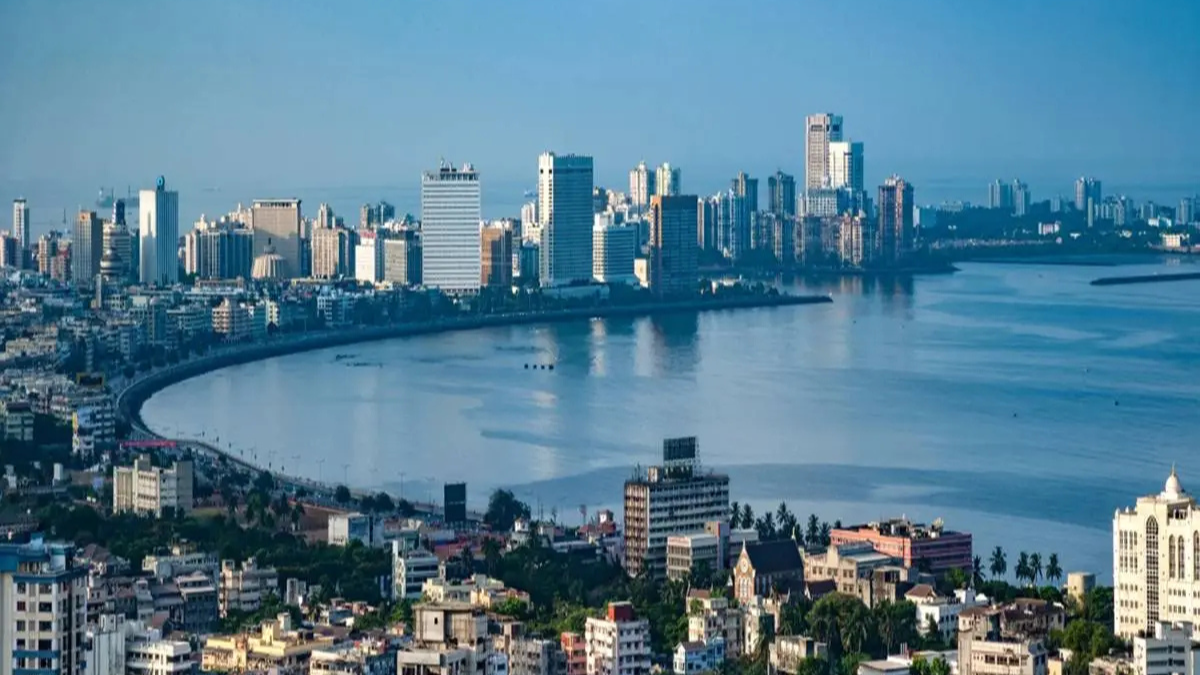
Mumbai, Maharashtra | September 4, 2026: Maharashtra has set an ambitious $1.5 trillion economic target for the Mumbai Metropolitan Region by 2047, with redevelopment, new airports, metro expansion, port-led development and emerging technology hubs expected to drive the next phase of urban growth.
Chief Minister Devendra Fadnavis, speaking at the Real Estate & Infrastructure Investors’ Summit 2026 organised by NAREDCO Maharashtra, said Mumbai 3.0 has moved from vision to execution. For the property market, the plan could create new housing and commercial growth corridors while unlocking redevelopment opportunities across Mumbai and the wider MMR.
Redevelopment Becomes the Core of Mumbai’s Next Growth Phase
Mumbai’s limited availability of land is making redevelopment increasingly important for adding new housing and modernising ageing urban areas.
Fadnavis said the government is pursuing a cluster-based redevelopment approach with the aim of making Mumbai slum-free over the next decade. The strategy also covers old MHADA layouts and ageing settlements that were developed several decades ago.
The Dharavi redevelopment project is another major component, with the government targeting 10,000 rehabilitation homes by January 2029 for eligible residents.
For homeowners and developers, faster redevelopment could bring better utilisation of existing land, newer housing stock and additional residential supply in established locations.
Mumbai Property Registrations Reflect Strong Market Activity
The state’s infrastructure push comes as Mumbai continues to record substantial property transaction activity.
According to Fadnavis, Mumbai recorded around 12,500 property registrations in August 2026, taking cumulative registrations beyond 1.06 lakh and generating nearly ₹9,355 crore in government revenue.
The figures highlight the continued strength of Mumbai’s residential market. As new infrastructure improves access to peripheral areas, property demand could increasingly spread across different parts of the MMR rather than remaining concentrated in established central and western locations.
Uttan-Virar Sea Link and New Airport Could Transform Northern MMR
Connectivity is expected to be one of the biggest factors shaping future property growth.
Maharashtra is developing plans for a 24-km Uttan-Virar sea link, aimed at improving connectivity towards northern MMR and creating a faster connection between Mumbai and Virar.
The state is also planning a third airport in the Virar region, with its Detailed Project Report expected by the end of 2026.
If these projects move into implementation, surrounding areas could see greater interest from housing developers, commercial businesses and investors. Improved travel connectivity can also make previously distant residential locations more attractive to homebuyers.
Vadhavan Port Could Create New Real Estate Corridors
The proposed Vadhavan Port is another major part of Maharashtra’s long-term growth strategy.
The port is being developed as a major deep-draft maritime facility, with the government expecting it to generate employment and economic activity across Palghar and Thane.
A proposed freight connectivity network could link Vadhavan with Nashik and further towards Jalna, Wardha and dry ports through the Samruddhi Mahamarg.
For the real estate sector, port-led development can create demand for warehousing, logistics parks, industrial land, commercial facilities and housing near employment centres.
This could make parts of Palghar, Thane and other connected districts important emerging markets over the longer term.
Technology Hubs Could Drive Demand for Homes and Offices
Maharashtra is also linking its urban growth strategy with technology-led industries.
Fadnavis said Mumbai, Pune and Nagpur metropolitan regions are expected to become major centres for data centres and smart manufacturing. The state is also looking at new education cities, medi-cities and innovation-focused urban centres.
Pune is expected to benefit from a new airport project and growing Global Capability Centre activity. The Mumbai-Pune corridor has also been proposed as a “Quantum Corridor”, with technology-intensive businesses and GCCs expected to support future economic growth.
Such employment growth can have a direct impact on surrounding residential demand, office space, retail and supporting services.
140 ST Depots Could Unlock Major Development Potential
The state is also preparing to redevelop 140 Maharashtra State Road Transport Corporation (MSRTC) bus depots into modern bus ports.
Transport Minister Pratap Sarnaik said tenders are expected within the next three months. The initiative could unlock around 13,000–14,000 acres of MSRTC land through private participation.
The proposed bus ports are expected to combine upgraded public transport facilities with commercial and allied development.
For developers, strategically located transport-linked land could create opportunities for mixed-use projects, retail and commercial spaces. For cities, integrating real estate development with public transport could support more organised urban expansion.
What the MMR Growth Plan Means for Property Buyers
The $1.5 trillion target is a long-term economic ambition, but its real estate impact will depend on how quickly the announced infrastructure projects move from planning to execution.
For homebuyers, locations with confirmed transport links, employment centres, airports, ports and planned urban infrastructure could become increasingly important when evaluating property.
Developers and investors, meanwhile, may find opportunities in redevelopment, emerging MMR corridors, logistics, commercial real estate and mixed-use projects.
However, buyers should assess actual project progress, approvals, connectivity timelines and existing civic infrastructure rather than purchasing property solely on the basis of future announcements.
Mumbai’s Next Property Cycle Could Extend Beyond the City
Maharashtra’s strategy indicates that Mumbai’s next phase of growth is unlikely to depend only on redevelopment within the existing city limits.
A combination of redevelopment, transport expansion, new economic centres, port connectivity, technology investment and public-land redevelopment could gradually create a wider network of residential and commercial markets across the MMR.
If the planned projects are executed effectively, the region’s $1.5 trillion economic ambition could also translate into a much broader and more diversified property growth story by 2047.